
Roller Replacement in Everett
Roller Replacement for Everett's Older Garage Doors
Everett's housing runs older than Boston's own stock, with a median build year of 1938. That means steel rollers worn to the axle on hardware nobody else touches.
- Licensed & Insured
- Same-Area Service Calls
- Upfront Pricing
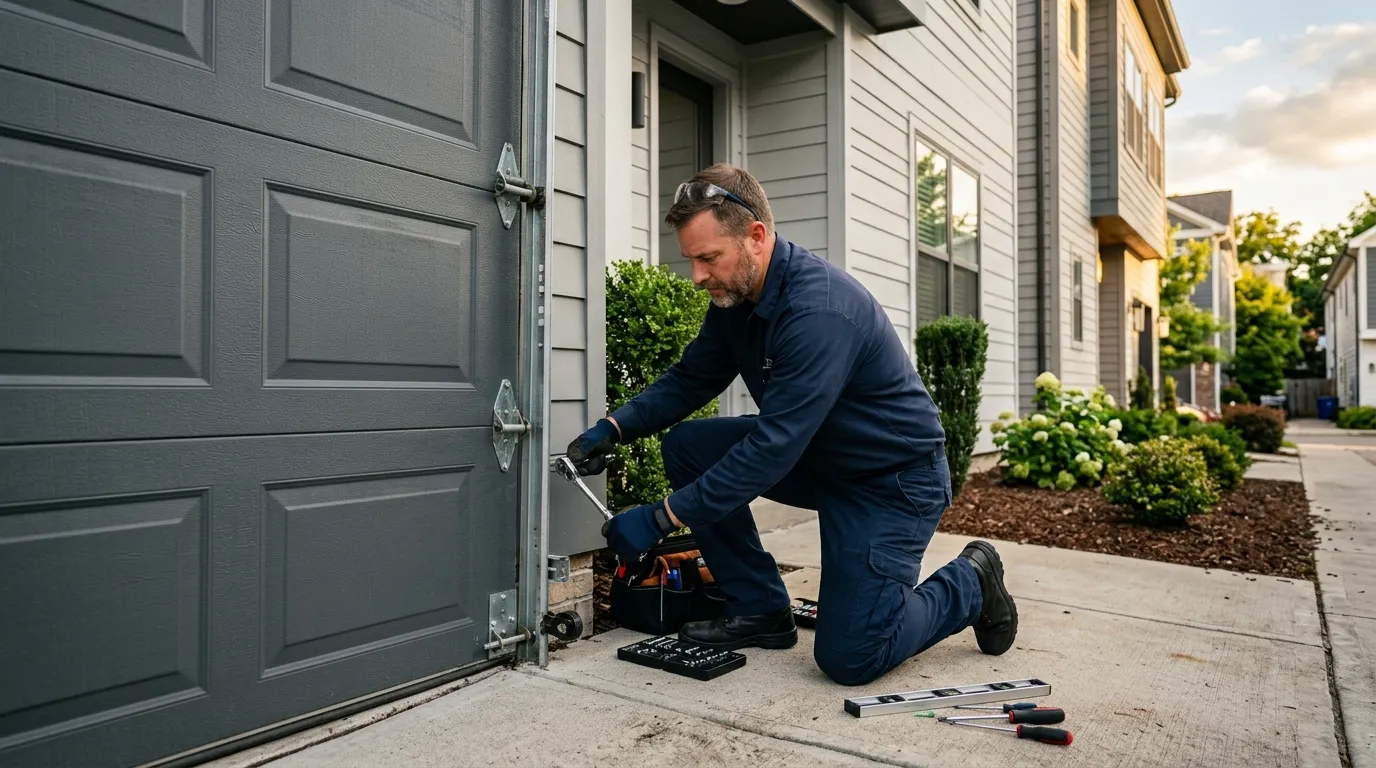
What Happens When You Call
-
1
Call or Request a Quote
Tell us what the door is doing and roughly how old the house is - that alone points us toward the likely part before a truck leaves.
-
2
On-Site Diagnosis
A tech checks the spring, cables, tracks, and opener in person and tells you plainly what is actually wrong.
-
3
Straight Price, No Surprises
You get a number before any work starts. It covers parts and labor, nothing added after the fact.
-
4
Fixed the Same Visit
Most repairs are done in one trip. If a part needs sourcing, we tell you that upfront instead of guessing.
How to Book
We run this job out of Boston, five miles down the road, so there's no local branch or depot in Everett - just a truck that comes to you. Call and tell us the door's age if you know it, or just describe what you're hearing. If the house is one of Everett's older ones, built well before most of the surrounding suburbs filled in, that's useful to know before we even load the van, because the roller size and stem length on a house that old often isn't what's sold off the shelf at a big box store.
We carry both steel and nylon rollers on the truck for exactly that reason. Booking is simple: describe the noise, give us the address, and we'll bring options rather than guess and come back a second time.
We don't keep an Everett showroom or staging point, and we're upfront about that. What we do have is a service area that includes Everett as a regular stop, not an afterthought tacked onto a Boston route.
Use the Everett service page to see the rest of what we cover here, or the Boston roller replacement page if you want the general rundown on how the job works city-wide.
How It Shows Up
On a lot of Everett's housing stock, which centers on a median build year of 1938 - noticeably older than the 1960 median across the wider Boston area we serve - the first sign is a grinding or scraping sound as the door travels, not the sharp bang you'd get from a broken spring. That's because these older tracks were often installed with steel rollers and narrower channel than what shows up in postwar construction, so wear shows as friction long before it shows as a jam.
You'll also notice the door hesitating at the same spot on every open and close, usually where a roller has flattened on one side and is riding the track edge instead of rolling smooth. Some owners describe it as the door 'catching' a third of the way up. On a house with original hardware from that build era, this is often the first real maintenance event the door has had in years, simply because nothing else on it has failed yet.
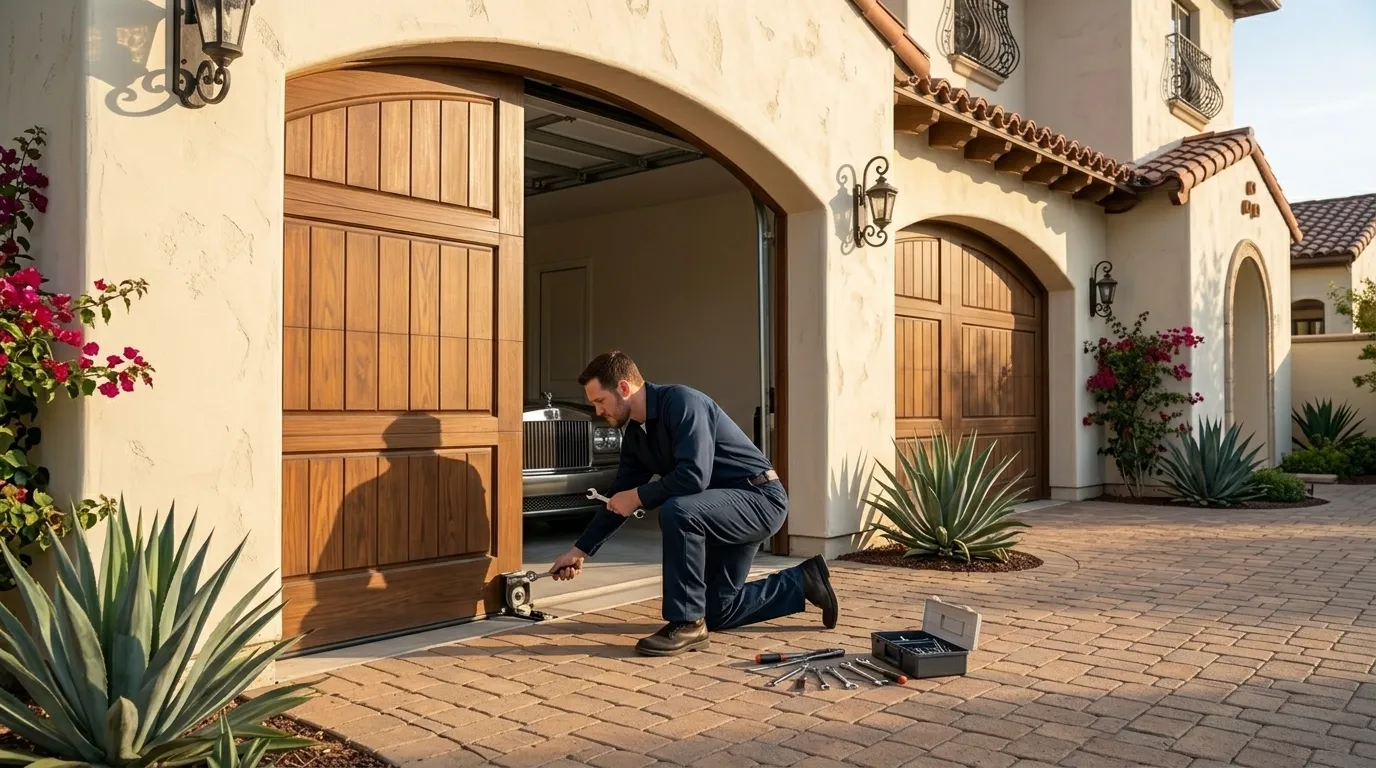
What Can Go Wrong
Cold-climate swings hit steel rollers hard over a long winter, and this area sits in a climate band the federal data classifies as severe cold - meaning the freeze-thaw cycle that stiffens grease and cracks aging bearings isn't a rare event here, it's an annual one. On the older Everett houses, where the track itself hasn't been swapped since the door went in, a worn roller doesn't fail alone. It starts chewing into the track edge, and by the time you hear the noise, you may already be looking at a track replacement instead of just rollers.
The other failure mode is the roller stem snapping clean off, usually on the bottom section where the door takes the most stress. If that happens while the door's mid-cycle, the section can drop unevenly and bind the opener. We won't pretend every roller job is a quick fix - if the track's already gouged, that's a second repair, not a bonus we throw in for free.
What the Fix Involves
For a straightforward roller swap, we pull the affected sections, check the track alignment on both sides, and set new rollers - nylon where noise reduction matters most, steel where the original hardware calls for it. On the older Everett stock, we check stem length carefully before installing anything, since houses from the 1938-era build years sometimes used a stem size that doesn't match current standard nylon rollers without an adapter.
If the track shows gouging from a worn roller riding the edge, we flag it before starting rather than after, so you're deciding on the full scope up front, not getting a surprise invoice. A full roller set replacement on a double door takes longer than most people expect, mostly because we're balancing tension carefully rather than rushing the reinstall. We don't cut that step short - a door that closes crooked because of a rushed track adjustment is worse than the noise you called about.
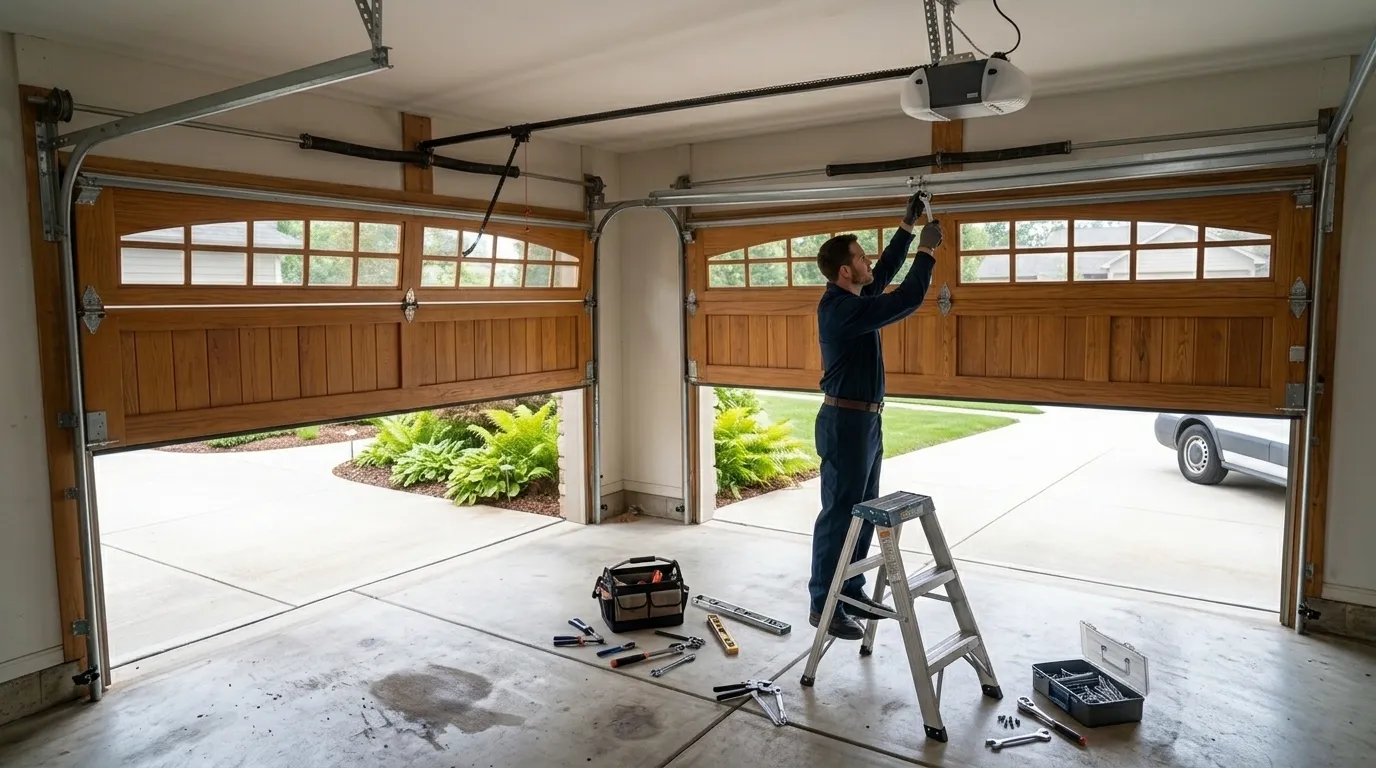
What Causes It Around Here
The short version: age. With a median build year of 1938, a lot of Everett's garage doors and their original hardware have simply had more decades of steel-on-steel wear than the newer stock filling out other parts of the wider Boston area, where the median build year runs to 1960. Add in a household income median here around $79,658 - lower than some of the surrounding towns - and a fair number of these doors have gone longer between service calls, not because owners neglect them, but because a working door with a little noise doesn't feel urgent until it stops moving.
Severe cold winters accelerate the wear regardless of the house's age, but on older stock the bearings and stems were never designed for today's opener cycle counts. A door built for manual operation and later fitted with an opener puts more stress on rollers than the original hardware anticipated, and that mismatch shows up first as noise, then as a stuck section.
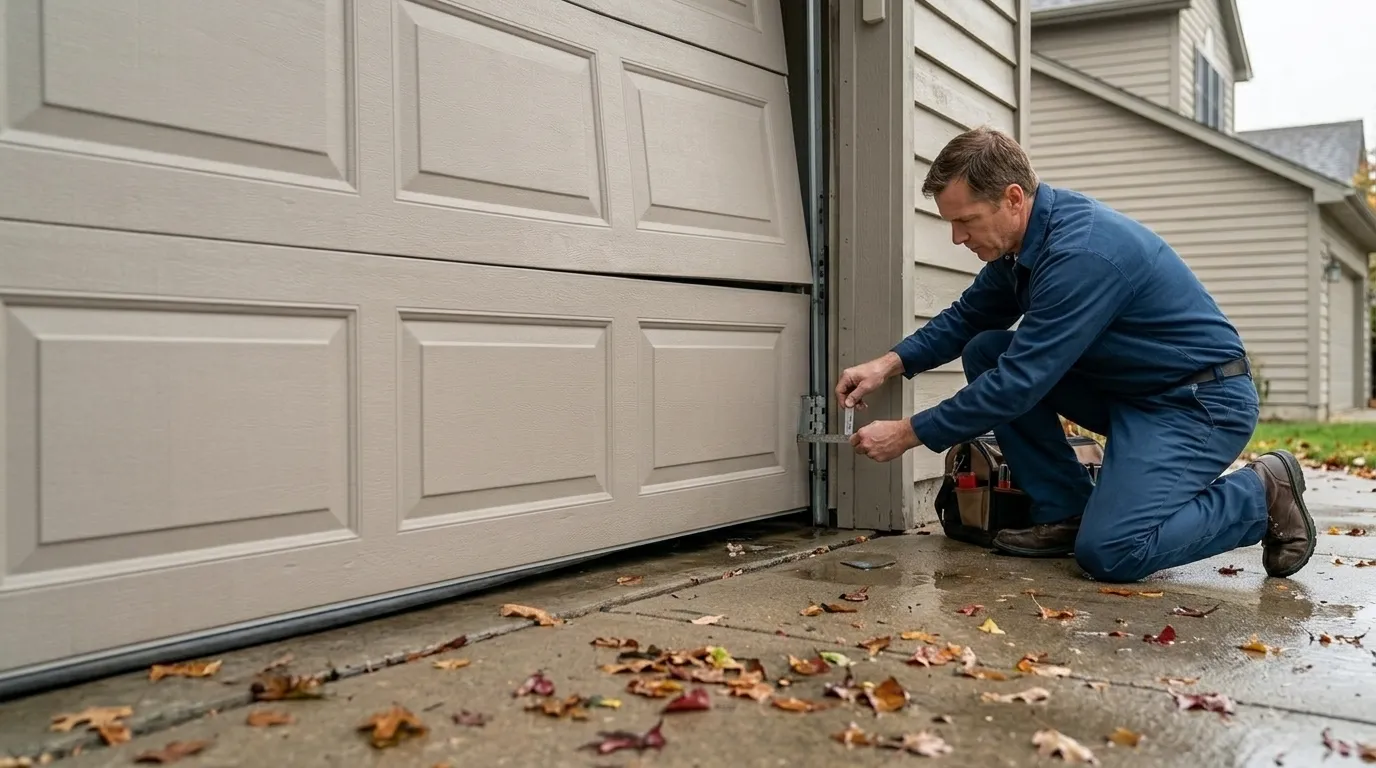
Talk to a Everett Technician First
Describe what the door is doing and get a straight answer on what it likely needs.
Other Garage Door Services in Everett
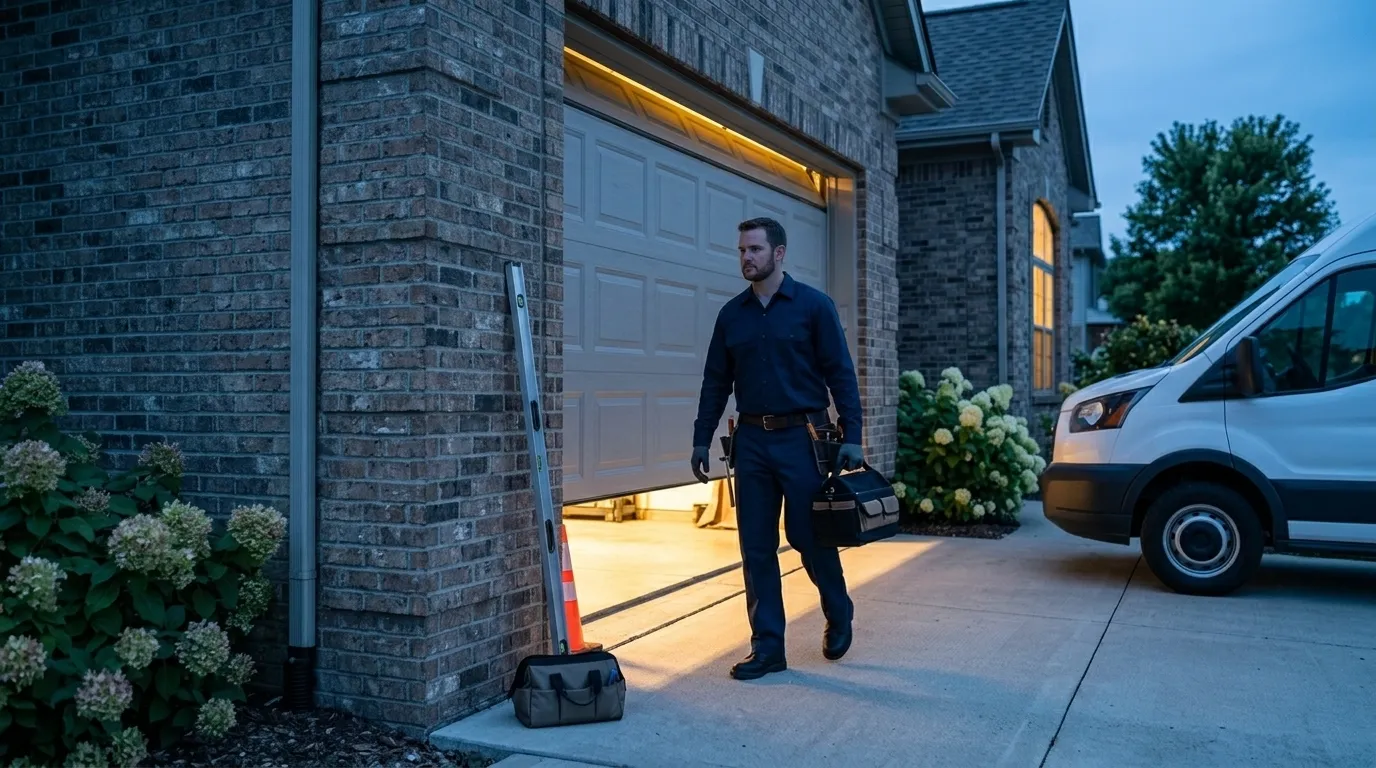
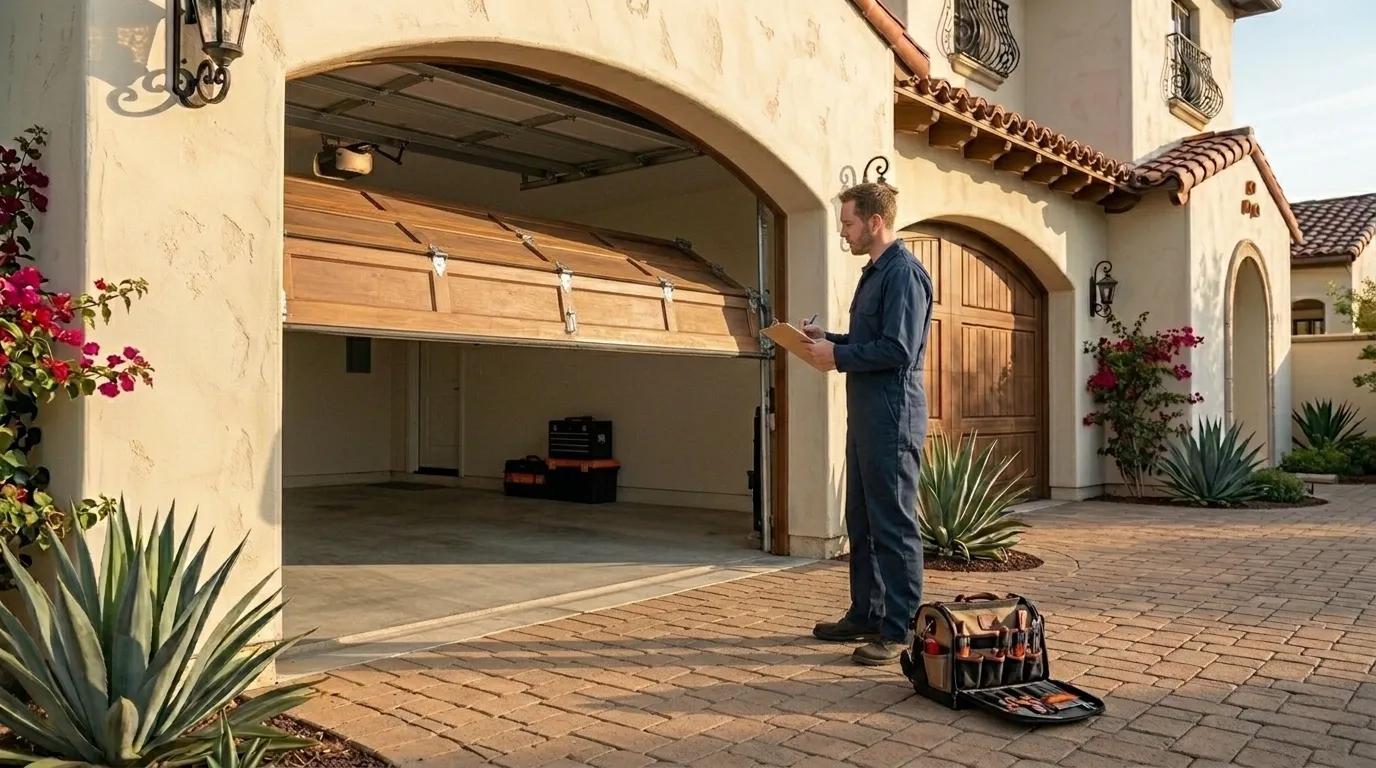
Recent Work in Everett
A look at jobs our crew has been on nearby.
Why Everett Calls Us
Frequently Asked Questions
Why does my door sound worse in winter?
Cold stiffens the grease in old steel rollers and shrinks metal slightly, which widens the gap where the roller rides the track. Everett sits in a climate band classified as severe cold, so that freeze cycle repeats every winter and accelerates wear on rollers that are already past their prime.
Do you carry parts for older Everett doors?
We carry both steel and nylon rollers on the truck, plus common stem sizes. Because a lot of Everett's housing dates to around 1938, older than much of the surrounding area, some stem lengths differ from newer standard hardware - we check before we install rather than assume a modern part fits.
Is a roller replacement ever not worth doing?
Yes. If the track is already gouged badly from a worn roller riding the edge, replacing just the rollers won't fix the underlying problem - you're looking at track replacement too. We'll tell you that up front rather than sell you a roller swap that won't hold.
Do you have a branch in Everett?
No. We run this job from Boston, about five miles away, and Everett is a regular stop on our route, not a separate branch operation. There's no local depot, just a truck that comes to your address.
Need Roller Replacement in Everett?
Call now for straight answers on cost and timing.