
Service
Garage Door Panel Replacement in Boston
Panel replacement for Boston's older housing stock and hard winters. Dents, rust, and misaligned sections explained, with what drives the cost of the job.
- Licensed & Insured
- Same-Area Service Calls
- Upfront Pricing
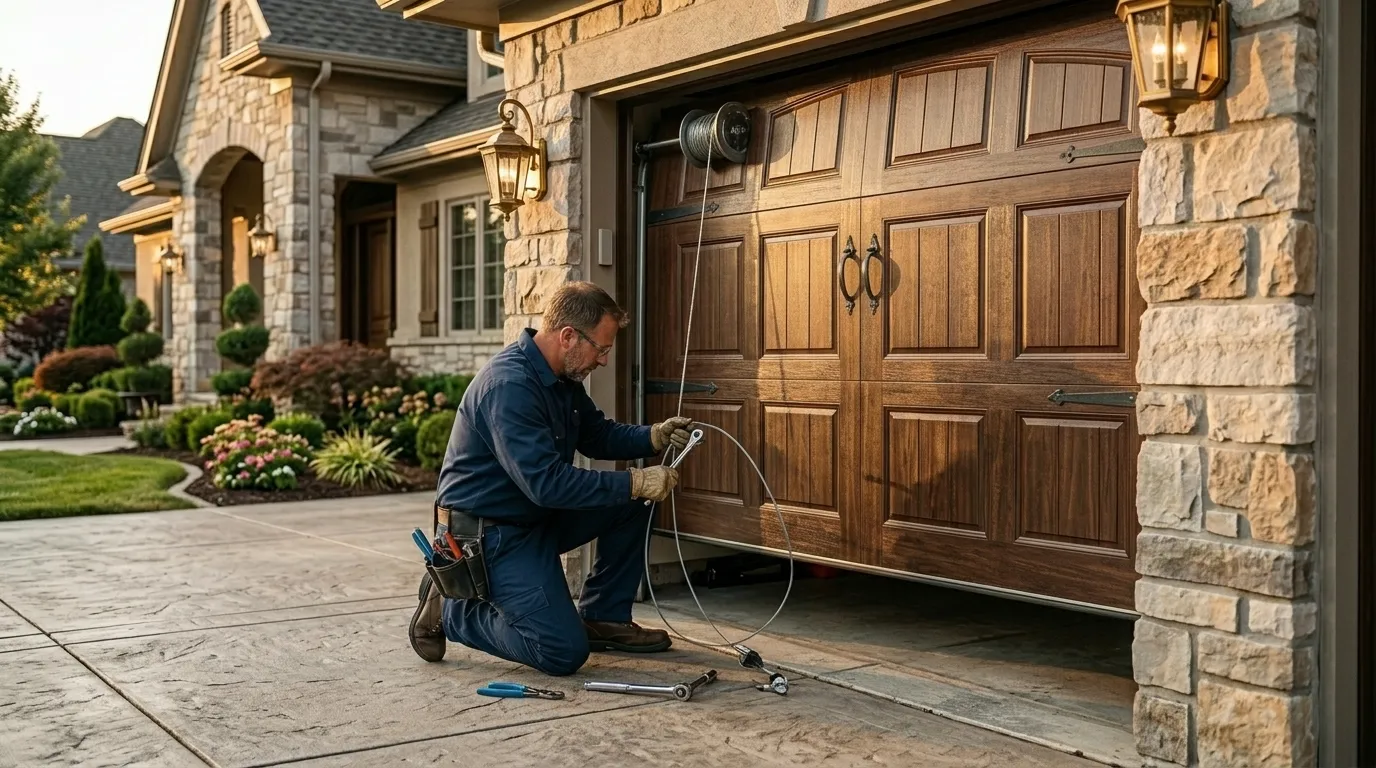
What Happens When You Call
-
1
Call or Request a Quote
Tell us what the door is doing and roughly how old the house is - that alone points us toward the likely part before a truck leaves.
-
2
On-Site Diagnosis
A tech checks the spring, cables, tracks, and opener in person and tells you plainly what is actually wrong.
-
3
Straight Price, No Surprises
You get a number before any work starts. It covers parts and labor, nothing added after the fact.
-
4
Fixed the Same Visit
Most repairs are done in one trip. If a part needs sourcing, we tell you that upfront instead of guessing.
The DIY Question
A single dented or rusted-through panel is one of the few garage door jobs where doing it yourself is sometimes the right call, and sometimes a fast way to warp a door that was otherwise fine. If your door is a sectional model and the manufacturer still makes a matching panel, ordering one and swapping it with the door disconnected from the opener is a Saturday project for someone comfortable with a socket wrench and a second set of hands. Where it gets hard: doors built for the 1960s-70s housing stock common across this area often used panel profiles and hinge spacing that current manufacturers no longer stock.
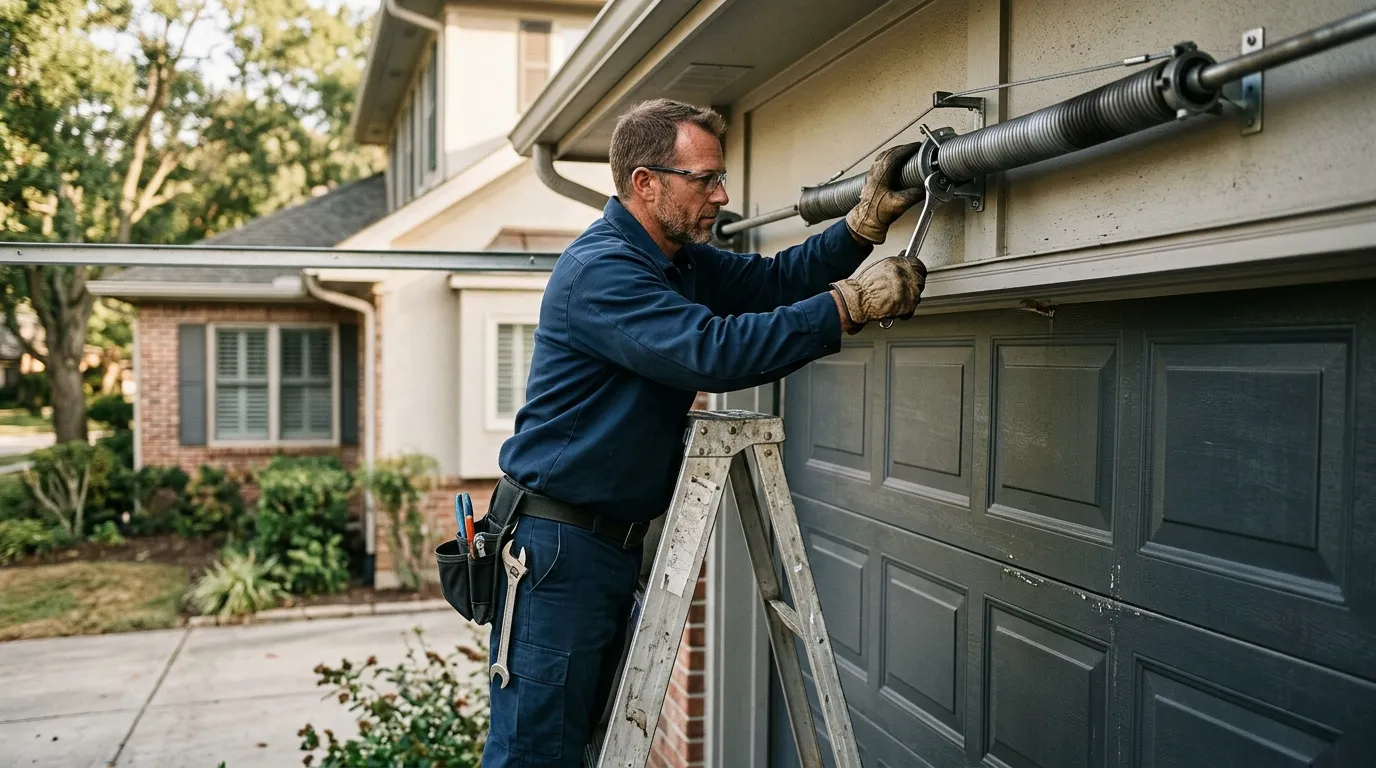
You can spend a week hunting for a part that doesn't exist anymore before you find out the whole door needs to go. There's also the torsion spring sitting under load a few feet from your hands - if you haven't worked around one, that's not the place to learn. Our honest limit here: we don't chase discontinued panel profiles indefinitely.
If we can't source a match in a reasonable window, we'll tell you straight that replacing the section means replacing the door, rather than stringing out a repair that won't hold up through another cold season.
The Cost of This Job
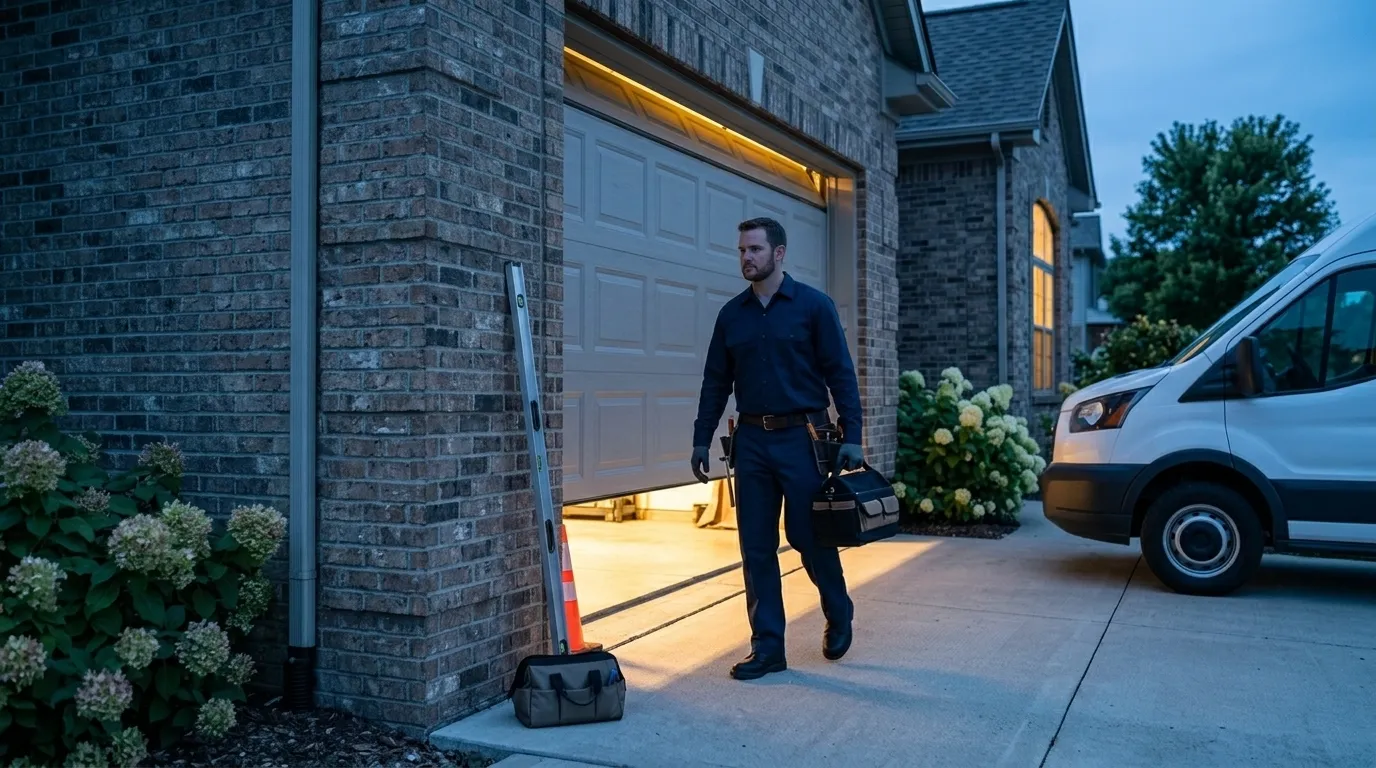
What drives the price on a panel swap isn't labor time, it's whether the part exists off the shelf. A single-section replacement on a common modern door is a straightforward job. A single-section replacement on a door original to a house built in the 1938-1985 window - which describes most of the housing stock across this service area - can mean special-ordering a panel, or discovering the run was discontinued and the whole door needs replacing instead of one section of it.
Insulation adds another variable: older solid-panel doors are cheaper to patch than newer insulated sectional doors, where a damaged panel usually means the whole insulated unit gets swapped as a pair to keep the R-value and look consistent. We price each job after we've seen the door and confirmed whether a matching section is available, because quoting a number before that check is just a guess dressed up as an estimate.
How It Shows Up
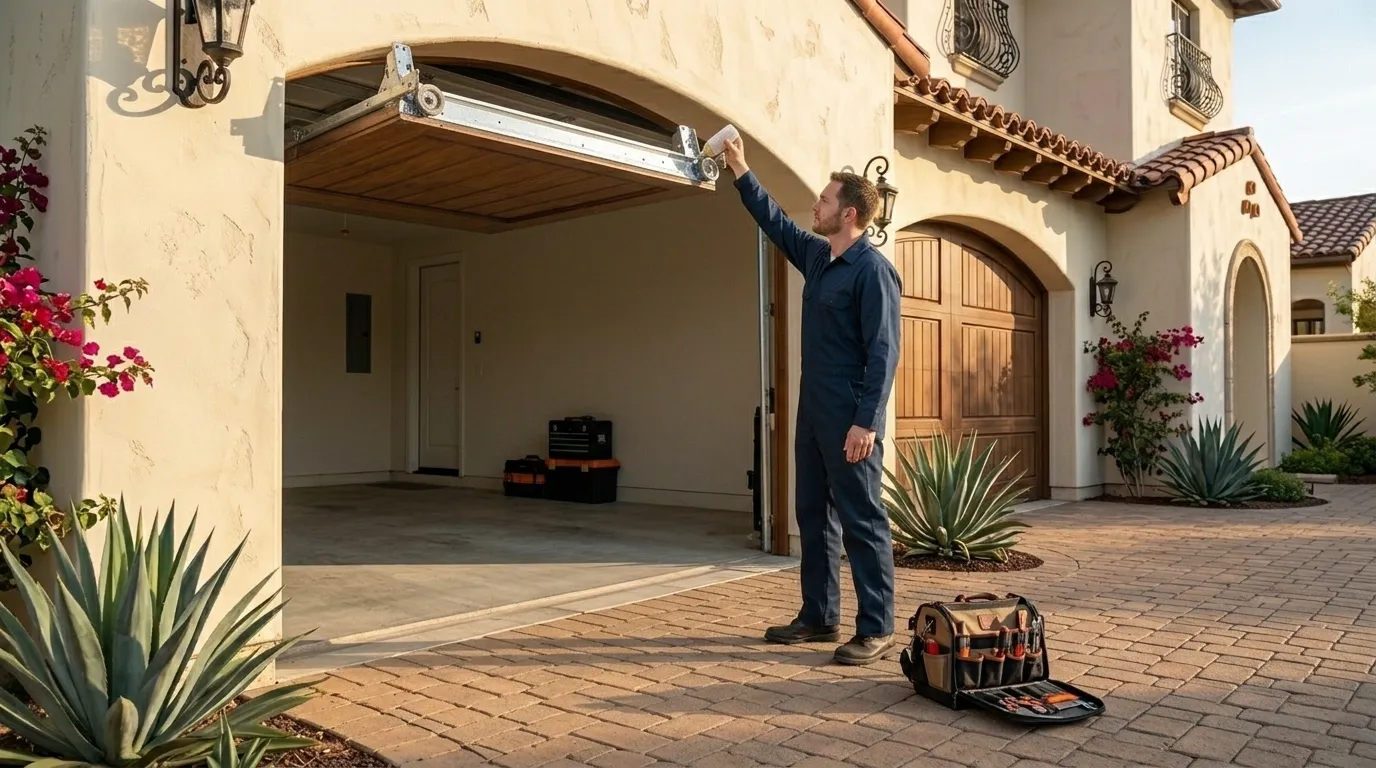
Most calls we get for panel damage fall into three patterns. The first is a single dent or crease from a car bumper, cart, or a gust catching a door mid-cycle - cosmetic, but if it's deep enough it can throw the whole section out of true and bind against the track. The second is rust-through at the bottom panel, which shows up as bubbling paint first and a soft, flaking edge later; it's almost always the section closest to the ground, since that's the one sitting nearest to salt spray and standing water.
The third is a section that's cracked along a seam or hinge point, usually on an older solid-panel door where the steel has thinned with age rather than failed all at once. In all three cases, the tell that it's a panel problem and not a spring or track problem is that the door still moves, just roughly, or with a visible gap or bow in one section while the rest of the door looks straight.
What Causes It Around Here
Two things stack up against garage doors in this area: the age of the housing stock and the winters. A large share of the houses across this service area were built between 1938 and 1985, with a median around 1960, which means a lot of original or first-replacement doors are steel sections that have gone through six-plus decades of freeze-thaw cycles. The climate here sits in a cold-severe band, and that matters for panels specifically - steel contracts hard in deep cold, which turns small dents into stress points and speeds up rust at any spot where the galvanized coating was already scratched or chipped.
Road salt tracked in on tires and blown up from the street does the rest, concentrating corrosion low on the door where it's least visible until the panel is already soft. None of this is unique to one block; it's the combination of an older housing stock and a genuinely harsh winter climate that makes panel failure a routine call across the neighborhoods and towns we cover, rather than an occasional one.
Talk to a Technician Before You Book
Describe what the door is doing and get a straight answer on what it likely needs.
Jobs Like Yours
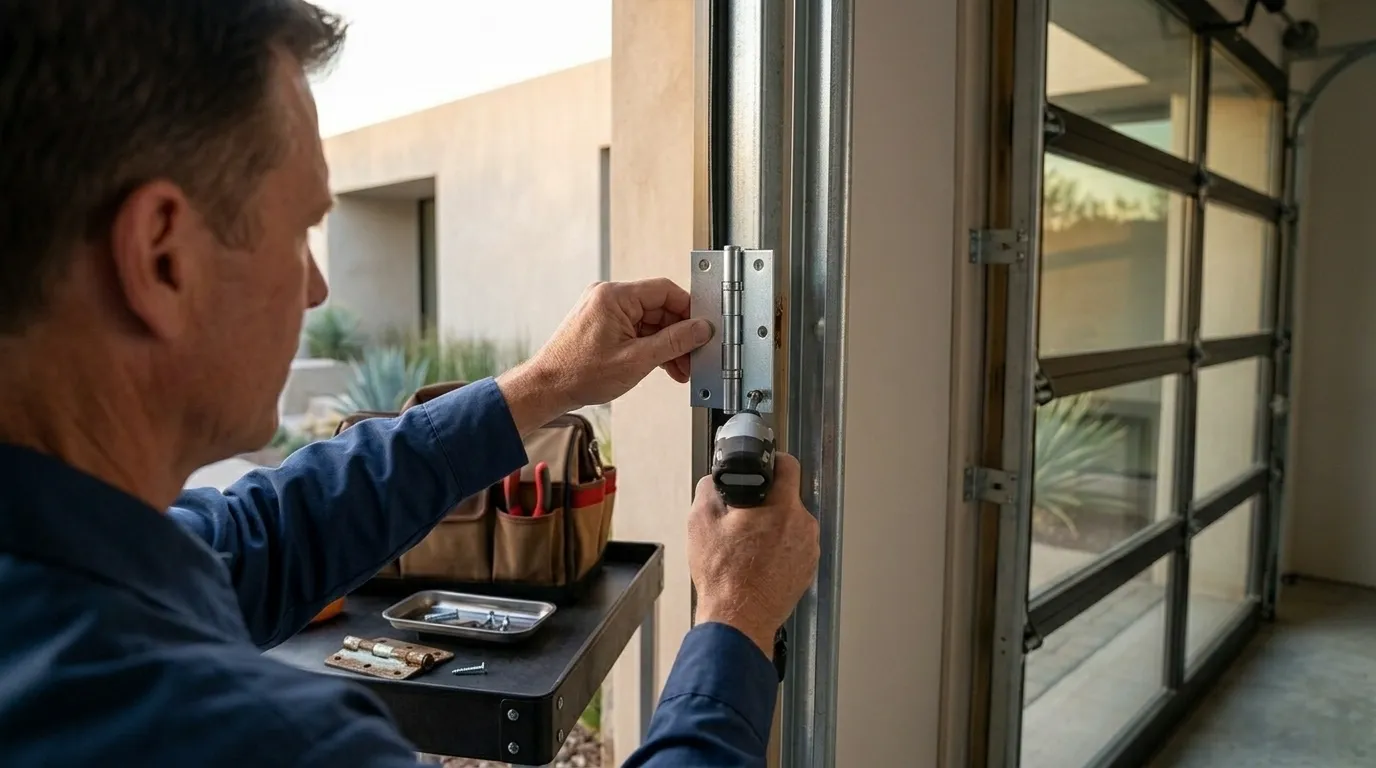
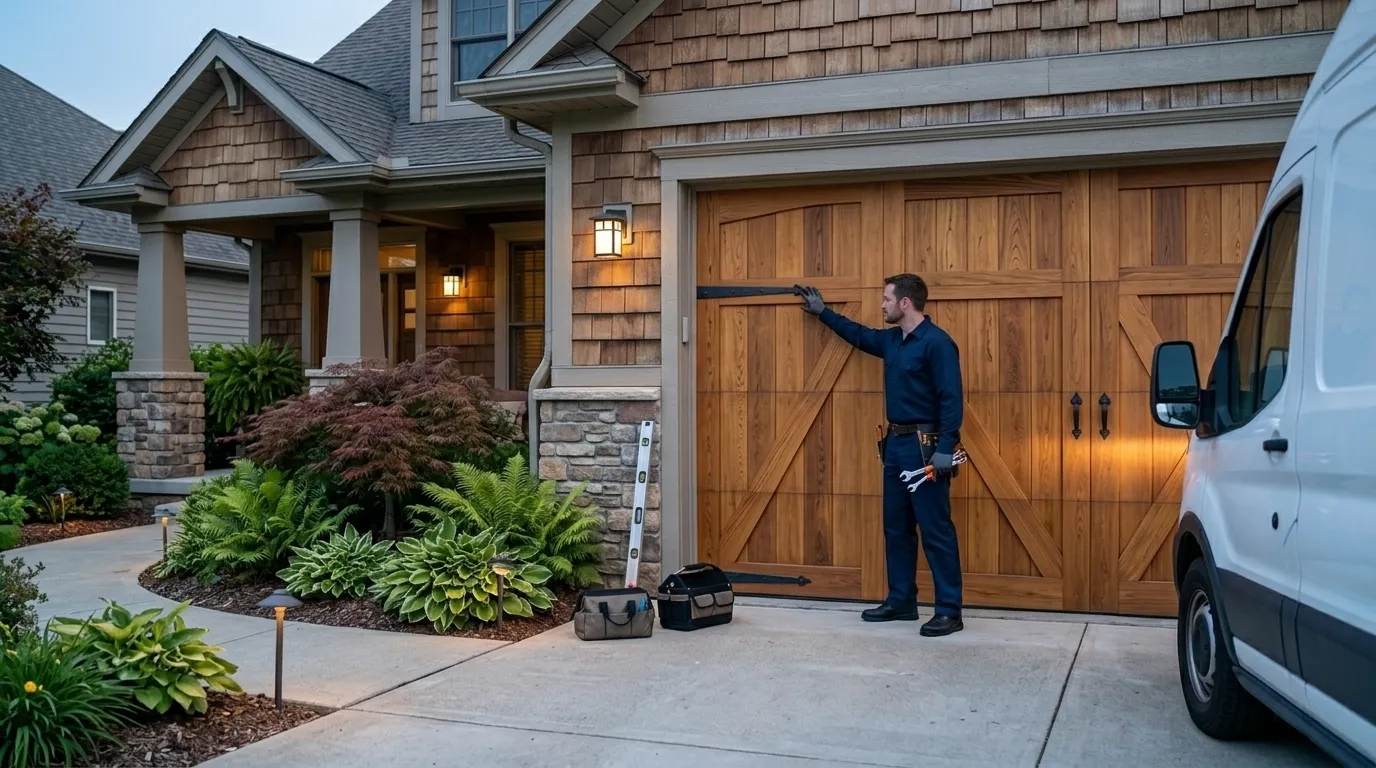
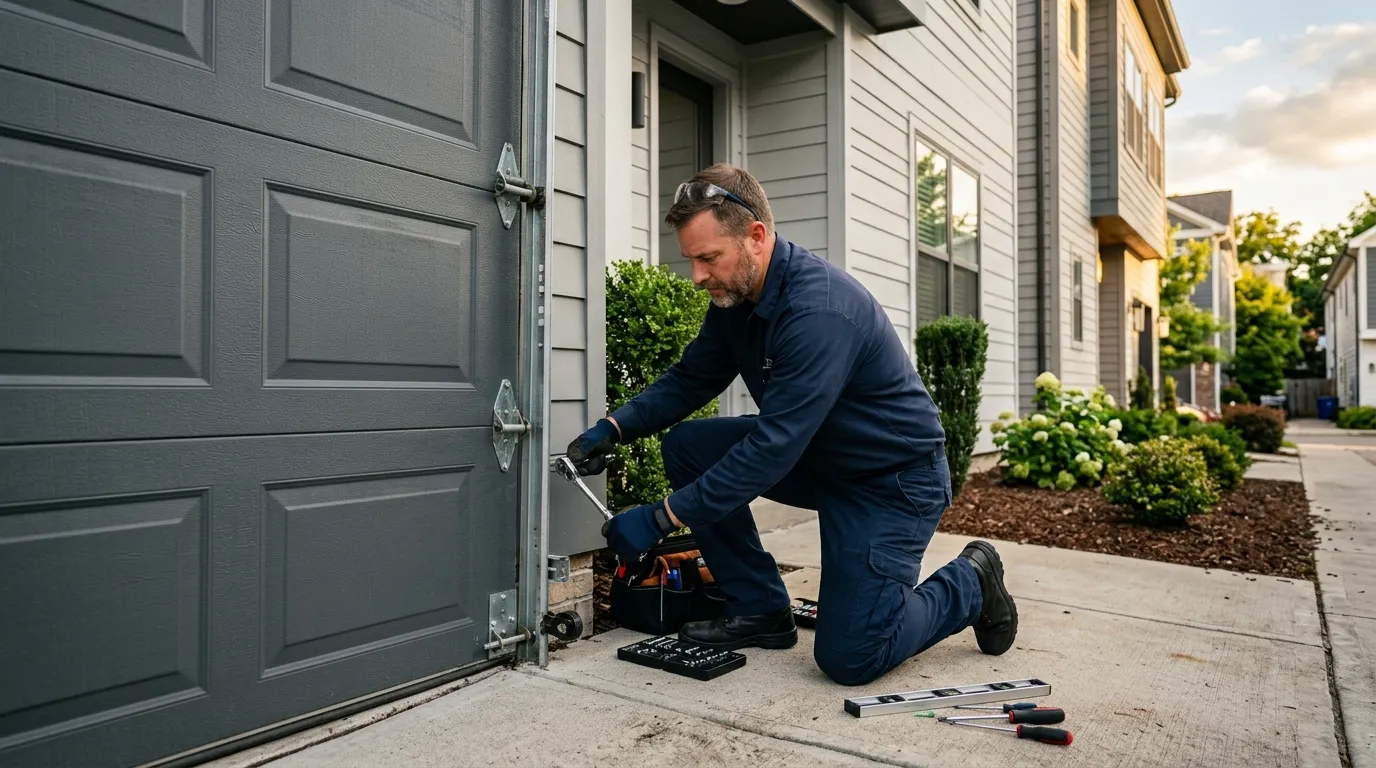
Recent work from this service line.
Why Boston Calls Us
Frequently Asked Questions
Can you match the panel color and texture to the rest of my door?
If the door is still in production, yes, and it's usually close enough that only a very close look shows a difference, especially once the door has a season of weather on it. If the door is an older or discontinued model, an exact match on texture or grain isn't always possible, and we'll tell you that before you commit to the repair.
Is a cracked panel ever just cosmetic?
Sometimes, if the crack doesn't extend to a hinge or seam and the door still tracks straight. But a crack that's let moisture behind the steel will keep rusting from the inside, so what looks minor now often isn't minor in a year. We'll check the surrounding hinges and track alignment before calling it purely cosmetic.
Why does rust always seem to start on the bottom panel?
That section sits closest to the ground, where salt-laden slush, standing water, and de-icing residue collect against the steel through the winter. Once the protective coating is nicked, that section corrodes faster than the panels above it, which stay drier.
Do you replace one panel or the whole door?
We replace what needs replacing. If a matching section is available and the rest of the door is sound, one panel is enough. If the model is discontinued or the door is old enough that mismatched wear would be obvious, we'll say so rather than force a patch that won't look or hold right.
Need Garage Door Panel Replacement in Boston?
Call now for straight answers on cost and timing.