
Service
Garage Door Opener Repair Across Boston
Opener repair for Boston's older triple-deckers and rowhouses, where cold winters and 1960s-era wiring push openers past their limit. Same service area, real housing stock.
- Licensed & Insured
- Same-Area Service Calls
- Upfront Pricing
What Happens When You Call
-
1
Call or Request a Quote
Tell us what the door is doing and roughly how old the house is - that alone points us toward the likely part before a truck leaves.
-
2
On-Site Diagnosis
A tech checks the spring, cables, tracks, and opener in person and tells you plainly what is actually wrong.
-
3
Straight Price, No Surprises
You get a number before any work starts. It covers parts and labor, nothing added after the fact.
-
4
Fixed the Same Visit
Most repairs are done in one trip. If a part needs sourcing, we tell you that upfront instead of guessing.
The DIY Question
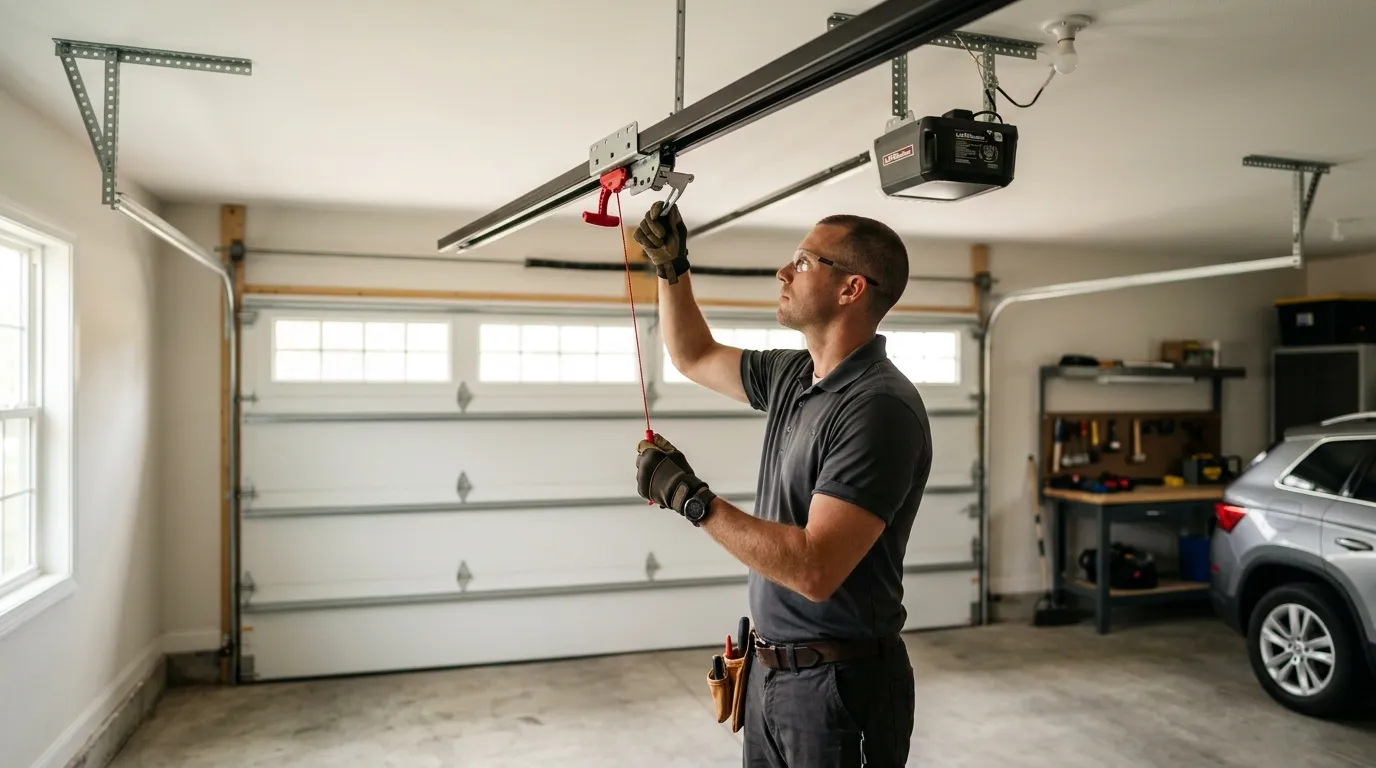
An opener that won't respond to the remote or the wall button is often a five-minute fix: dead batteries, a blown breaker, or a photo-eye sensor knocked out of alignment by a broom leaning against it. Those you can check yourself before calling anyone. Swap the remote batteries, look at the two small sensor eyes near the floor on each side of the track and make sure nothing blocks the beam between them, and check your breaker panel.
What you shouldn't take apart yourself is the opener's internal gear assembly, the logic board, or anything involving the high-tension spring system that the opener's arm connects to. On many houses in this service area, built between 1938 and 1985 with a median build year around 1960, the opener was added or replaced well after the original door - meaning the mounting bracket, the header clearance, and the drive rail don't always match what a modern opener kit expects out of the box. Get that wrong and you can bend the header bracket or strip the door's top panel.
One honest limit: if your opener predates the mid-2000s safety-sensor requirement and has no working photo-eye pair at all, we won't just patch it - that unit gets replaced, not repaired, because there's no safe way to leave it running without reversal protection.
The Cost of This Job
We don't post a flat number here because opener repair covers a wide range: a logic board swap, a stripped drive gear, a burnt-out capacitor on an older chain-drive unit, or a full opener replacement when the motor itself has failed. What we can tell you is what drives the range in this market. Across the 740,033 households in this service area, 241,531 are owner-occupied houses - and a large share of those sit on housing stock from the 1960s and 70s, per F2, where the original garage wiring was never built for a modern opener's draw or its Wi-Fi module.
That means some jobs are a straight board or gear replacement, done on the truck. Others turn into an electrical conversation first - a dedicated outlet, a GFCI upgrade, sometimes both - before the opener itself gets touched. We'll tell you which one you're looking at after we see the unit, not before.
The one thing we won't do is quote a repair price over the phone sight-unseen on an opener older than the visible wear suggests. Too many houses here have had two or three openers stacked on the same bracket over sixty-plus years, and what's actually inside the housing doesn't always match the brand on the outside cover.
How It Shows Up
The pattern we see across this service area is fairly consistent. The opener runs but the door only goes partway before reversing - that's usually a limit-switch setting knocked loose, or a track that's racked slightly out of square on an older frame. The opener hums but nothing moves - that's a stripped nylon gear inside the housing, the single most common failure on chain-drive units from the 80s and 90s still running in garages from Dorchester to Charlestown.
Then there's the seasonal pattern tied to F3: Boston sits in the severe end of the cold climate band, and every winter we get openers that worked fine in October and suddenly won't lift a door in January. Cold makes grease inside the opener's gear housing stiffen, and it makes the springs on the door itself pull harder against a motor that's already working at the edge of its rated lift. An opener that's been marginal all year usually fails on the first hard freeze, not gradually.
A third pattern, more specific to the tighter garages in neighborhoods like South Boston and the South End: low headroom means openers get mounted at odd angles, and the drive rail sags or binds over the closest studs. That shows up as grinding noise more than outright failure, but it's the same underlying issue - a mount that was never quite right for the space.
What Causes It Around Here
Two forces do most of the damage to openers in this service area, and neither is really about the opener itself. The first is age of the housing stock - F1 puts the median build year at 1960, with most of the range running 1938 to 1985.
Garages from that era were built for a manual door and maybe a single incandescent bulb, not a 120-volt opener drawing a steady load plus a standby current for a smart-home radio. Circuits sag, connections corrode, and the opener takes the blame for what's actually an electrical problem thirty years in the making.
The second is the cold. Boston's climate band is rated severe on the cold side, and that means repeated freeze-thaw cycles every winter, not just one hard month.
Metal contracts, plastic gears go brittle, and grease that was fine in September turns to paste by January. An opener carrying a door that's even slightly out of balance - common on older torsion setups original to 1960s construction - gets pushed past what the motor and gear are rated for, every single cold morning for months at a stretch.
We don't have data tying specific storm events or snow totals to failure spikes, so we won't claim a pattern we can't back up. What the housing age and the climate band do support is this: openers here work harder, on older infrastructure, for a longer cold season than a mild-climate service area would ever see.
Talk to a Technician Before You Book
Describe what the door is doing and get a straight answer on what it likely needs.
Jobs Like Yours
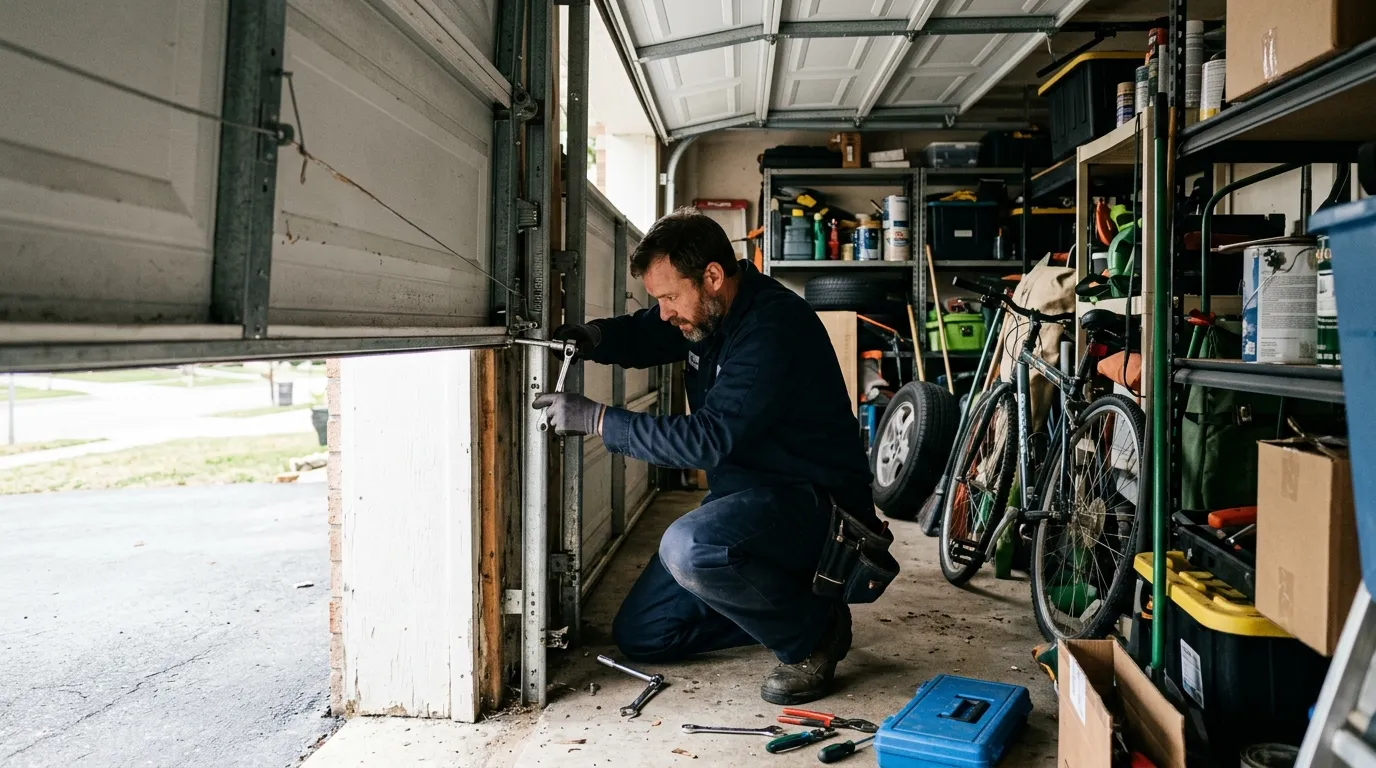
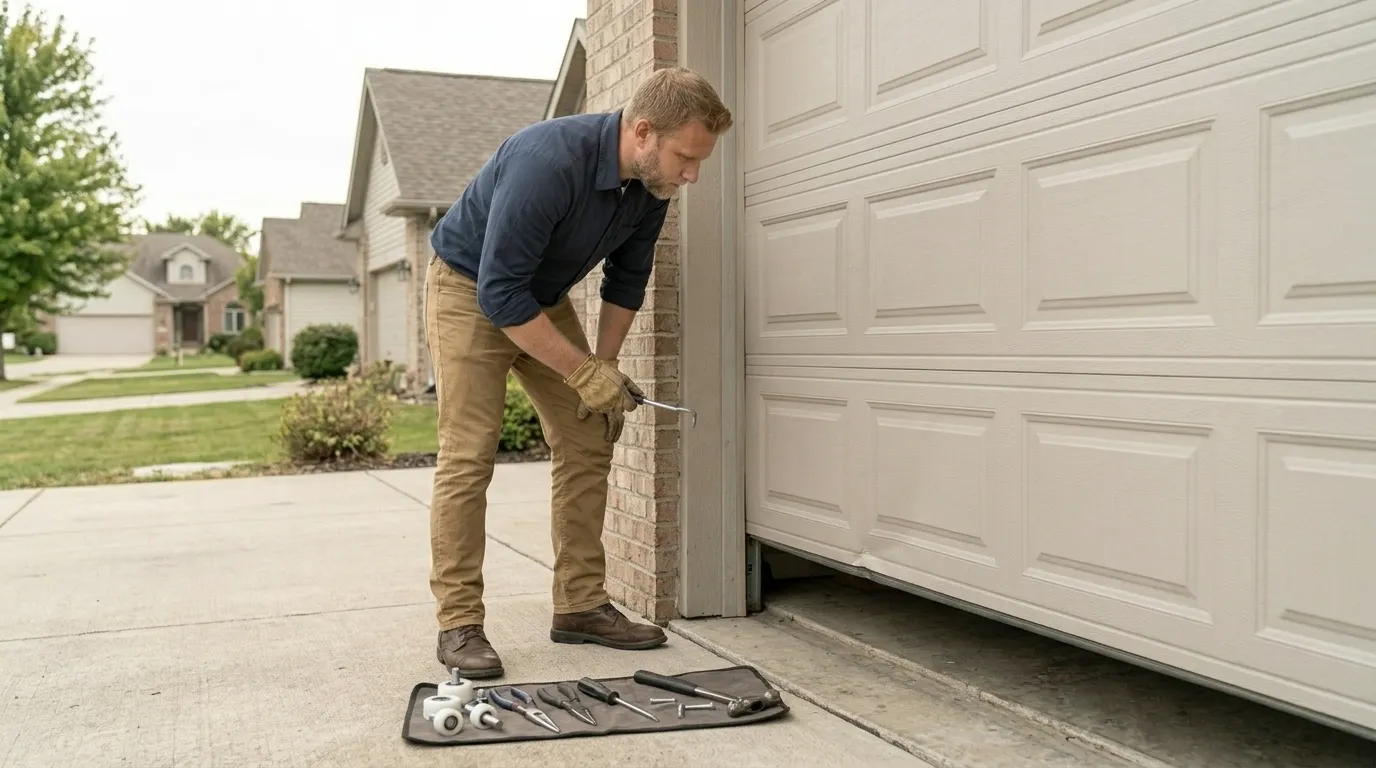
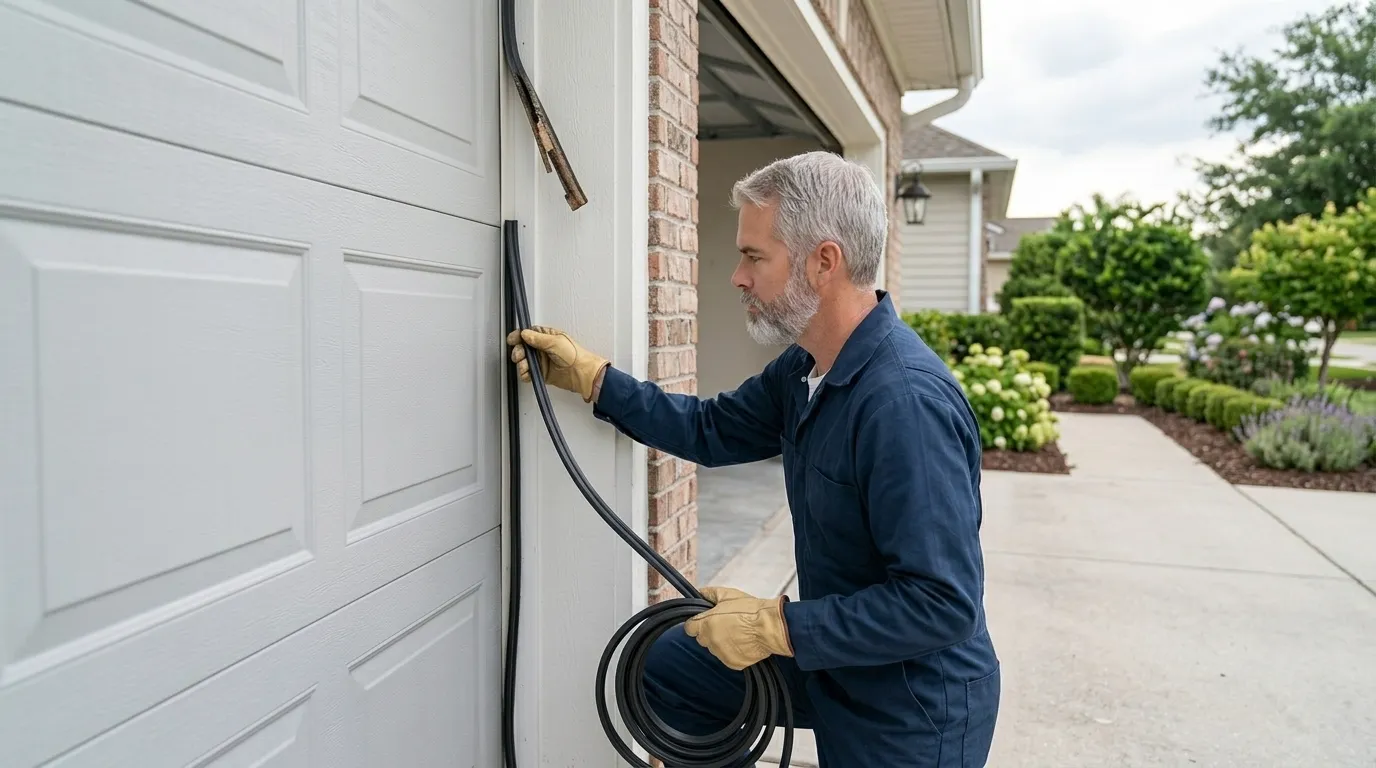
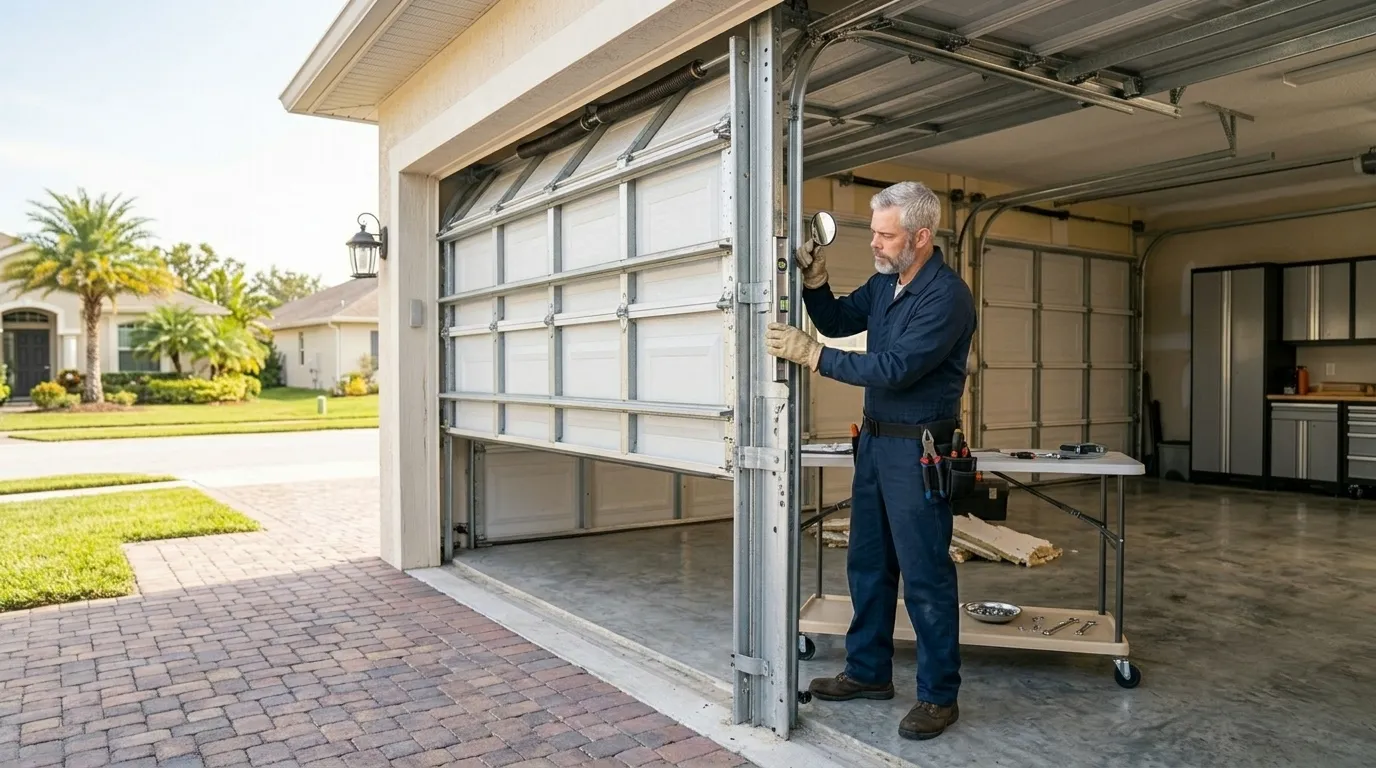
Recent work from this service line.
Why Boston Calls Us
Frequently Asked Questions
Why did my opener stop working the same week it got cold out?
Cold stiffens the grease inside the opener's gear housing and makes the door's springs pull harder against the motor. Boston's winters sit in the severe end of the cold climate band, so this isn't a one-off - it's a pattern we see across the service area every year once temperatures drop and stay down.
Can I just replace the opener myself?
You can, but older garages here - built mostly between 1938 and 1985 - often have header brackets, headroom, and wiring that don't match what a new opener kit assumes. A mismatch can bend the mounting bracket or leave you without proper safety-sensor coverage, which we won't leave running.
Is it the opener or the door that's actually broken?
Often it's the door. An opener straining against an out-of-balance door - common on older torsion setups from the 1960s stock common here - will eventually fail even if the unit itself is fine. We check the door's balance before we touch the opener.
Do you repair openers or just replace them?
Both, depending on what's inside. Logic boards, gears, and capacitors get repaired when the part is available and the housing is sound. Units without working safety sensors, or ones stacked two or three replacements deep on the same old bracket, usually get replaced outright.
Need Garage Door Opener Repair Across Boston?
Call now for straight answers on cost and timing.