
Service
Garage Door Roller Replacement, Boston MA
Worn or broken rollers on Boston's older garage doors, explained: why 1960s-era housing stock and hard winters wear rollers out faster, and what the fix involves.
- Licensed & Insured
- Same-Area Service Calls
- Upfront Pricing
What Happens When You Call
-
1
Call or Request a Quote
Tell us what the door is doing and roughly how old the house is - that alone points us toward the likely part before a truck leaves.
-
2
On-Site Diagnosis
A tech checks the spring, cables, tracks, and opener in person and tells you plainly what is actually wrong.
-
3
Straight Price, No Surprises
You get a number before any work starts. It covers parts and labor, nothing added after the fact.
-
4
Fixed the Same Visit
Most repairs are done in one trip. If a part needs sourcing, we tell you that upfront instead of guessing.
The DIY Question
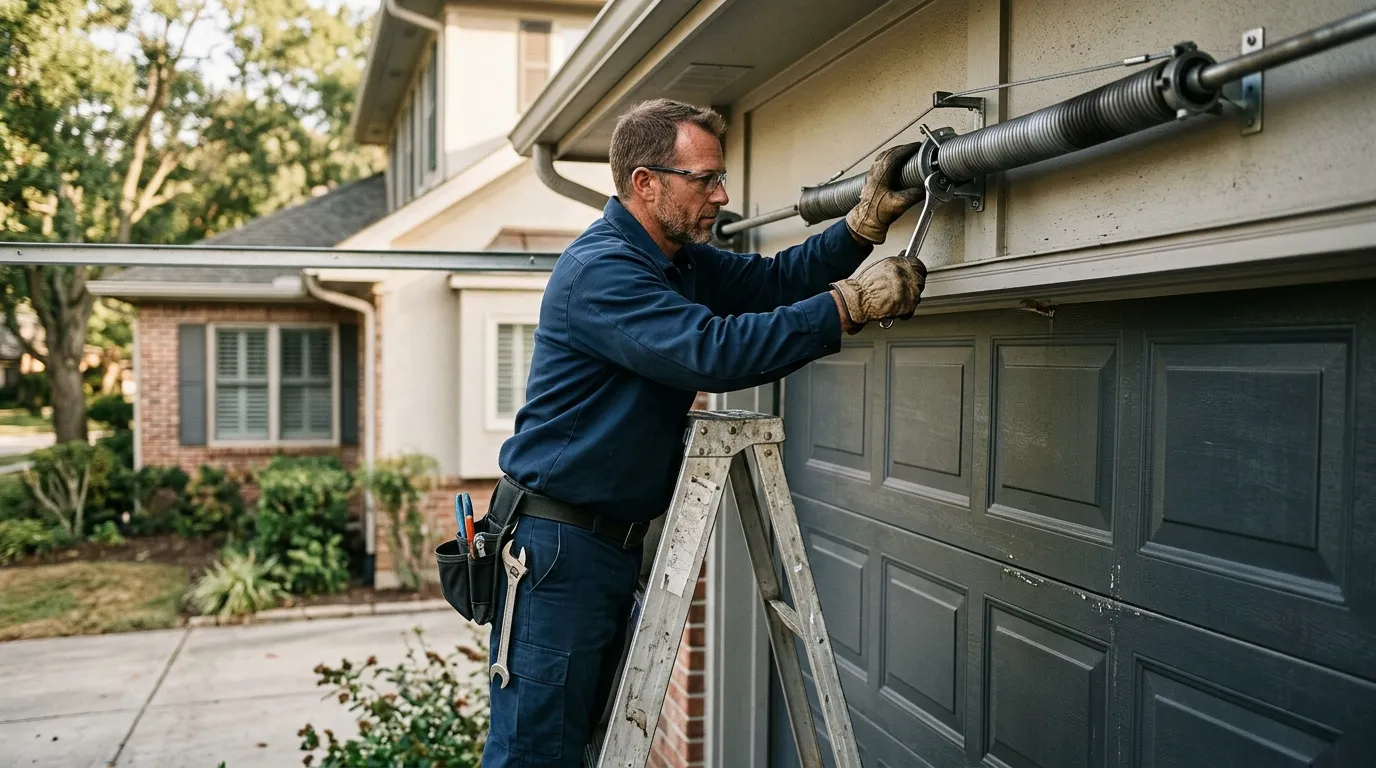
Swapping a roller or two is one of the few garage door jobs a handy homeowner can do without a torsion spring turning on them. If the door is down, the springs are relaxed, and you can pull the roller stem out of the bracket by hand once the track section is loosened, this is a real weekend job. The catch is the bottom bracket on either side of the door - it's under spring tension even with the door closed, and bracket bolts have snapped fingers off people who didn't know that.
If your door is one of the older one-piece or narrow-track units common in Boston's pre-1970s housing stock, the roller size and stem length often don't match what's sold at a hardware store, and the track spacing can be off from anything made today. Nylon rollers with sealed bearings are worth the extra cost over steel - they run quieter and don't need the grease that steel rollers demand every few months, which matters when winter grit and road salt get tracked into the garage. If you're not sure whether what's rattling is a roller, a bent track, or a spring starting to go, that's worth a second set of eyes before you start pulling brackets.
We don't recommend DIY on any bracket at the bottom of the door - that one's ours to do.
The Cost of This Job
Roller replacement costs depend mostly on three things: how many rollers are actually shot versus just noisy, whether the track needs adjustment or replacement along with them, and whether your door uses a standard 7-inch stem roller or an older size that isn't a stock item anymore. Doors built during Boston's main construction wave, the 1938 to 1985 stretch with a median around 1960, often have hardware that predates the current roller sizing that most trucks stock. That can mean a slightly longer job, not a different price category, but it's worth knowing before you get a quote over the phone.
A full 10-roller set on both tracks costs more than swapping the 2 or 3 that are actually cracked or flat-spotted, and we'll tell you which situation you're in before we start unbolting anything - we don't sell a full set when three rollers would do the job. We don't have a flat rate to quote here since it depends on what's on your door, but we can tell you which category a job falls into once we've seen the track.
How It Shows Up
The first sign is usually sound, not a stuck door. A grinding or squealing as the door travels, worse at the same spot in the track every time, means a roller bearing has gone dry or cracked. A door that jerks or shudders instead of gliding smooth usually has a flat-spotted roller - the wheel isn't round anymore where it sat in one position for a season.
If you see a roller has come partway out of its track, or the door looks like it's riding crooked in the opening, stop using the opener; a roller that's jumped the track can bind the door hard enough to strain the opener motor or crack a panel. Rust streaks on steel rollers, especially near the bottom of the track where road salt and slush pool in winter, are an early warning before the bearing actually fails. None of this is an emergency the way a snapped cable is, but a door that's grinding through its rollers now is a door that will eventually jump the track entirely, usually at an inconvenient moment.
What Causes It Around Here
Most garage doors across the Boston area went up between 1938 and 1985, with the bulk of the stock dating to the 1960s and 70s - old enough that original rollers, if they've never been swapped, are decades past any reasonable service life. Add a cold-climate winter where temperatures swing hard and salt and sand get tracked into garages from the street, and you get accelerated wear on steel roller bearings that dry grease can't keep up with. Cold makes grease stiffen, which means rollers turn less freely on the first cold mornings of the season - that extra resistance is exactly what flat-spots a roller that's already marginal.
Salt corrosion attacks the bearing races from inside, which is why a roller can look fine on the outside and still be grinding metal on metal. Garages that sit below grade or get direct wind off the harbor see this faster than a detached garage set back from the street. None of that is unique to any one neighborhood we cover - it's a function of the age of the housing stock and the weather every door here has to survive winter after winter.
Talk to a Technician Before You Book
Describe what the door is doing and get a straight answer on what it likely needs.
Jobs Like Yours
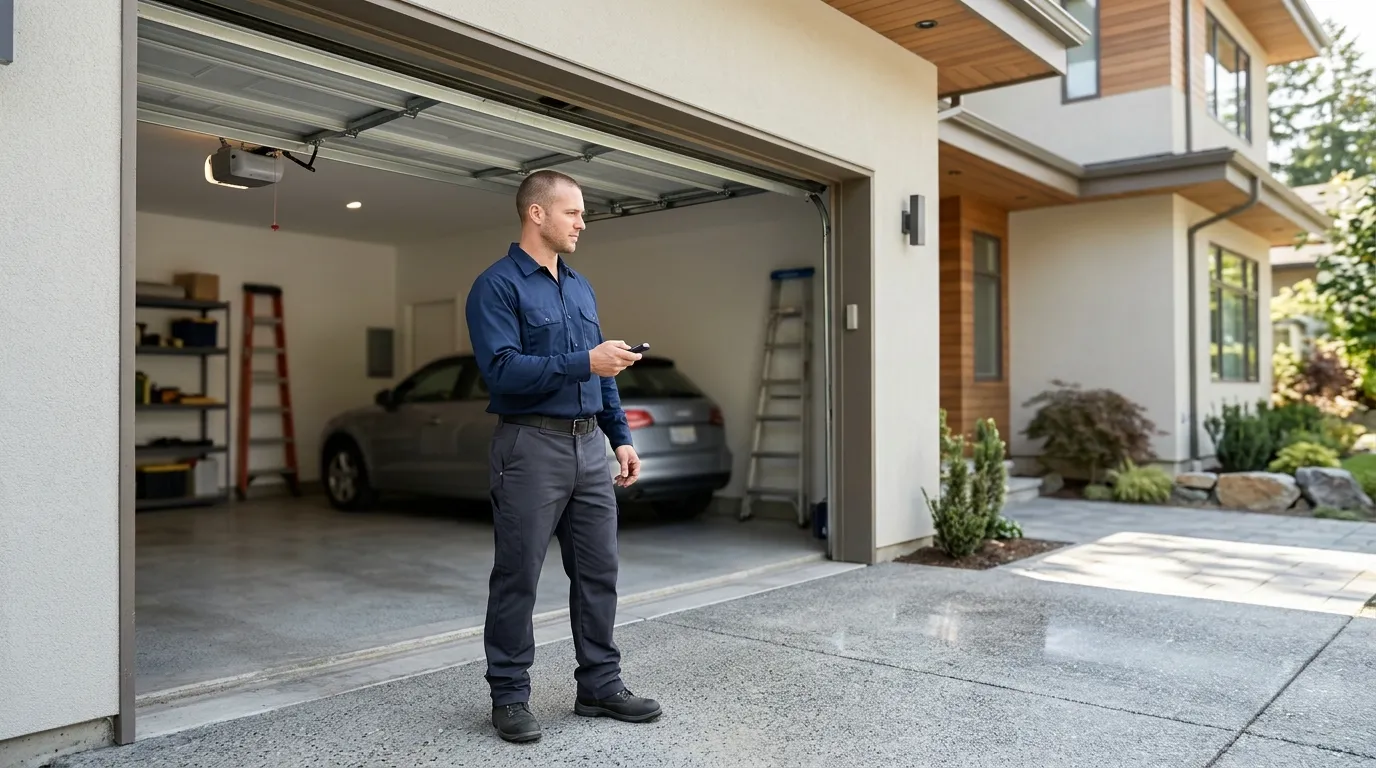
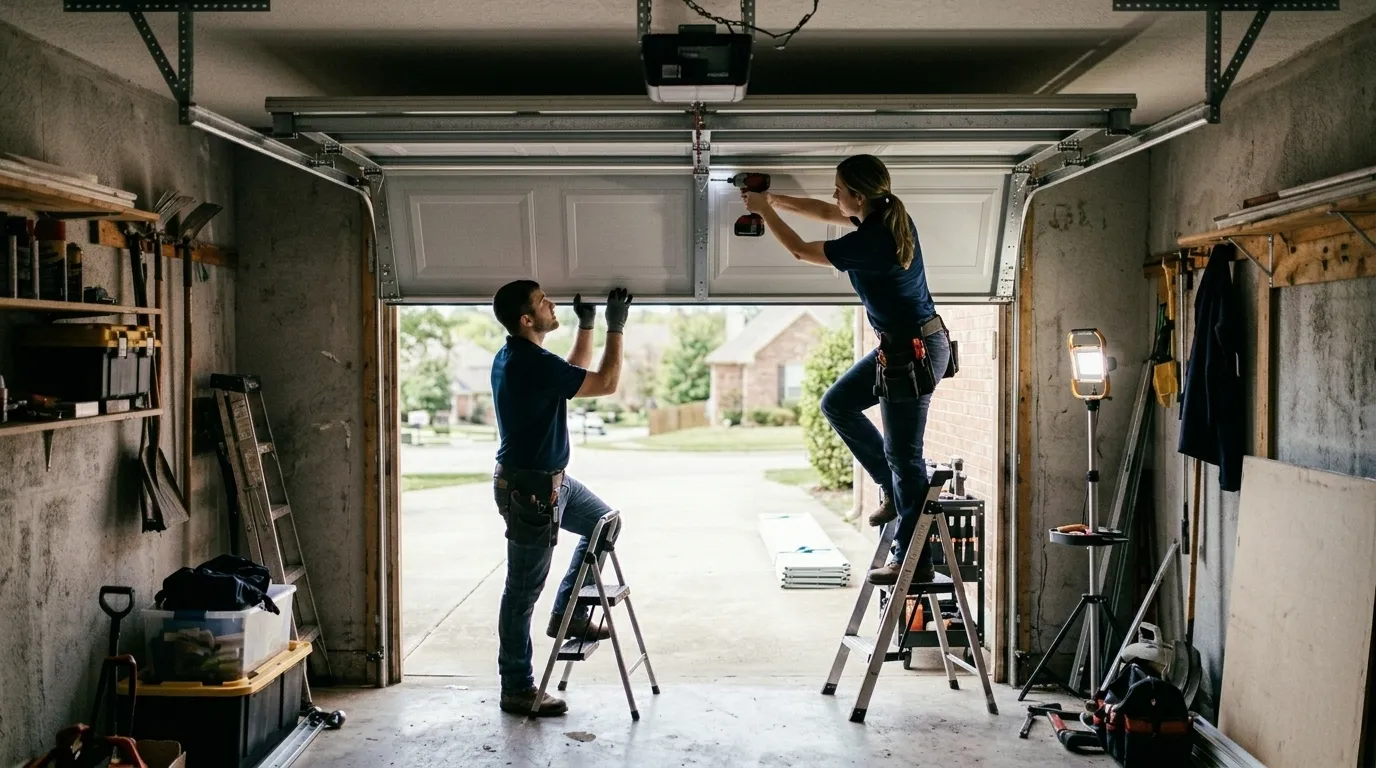
Recent work from this service line.
Why Boston Calls Us
Frequently Asked Questions
How many rollers usually need replacing at once?
It varies by door, but rollers on the same side wear at close to the same rate since they carry similar load and see the same weather at the bottom of the track. We check all of them while we're there and only replace what's actually worn, not the whole set automatically.
Is a noisy door always a roller problem?
No. Grinding or squealing during travel usually points to rollers, but a bang or pop, or a door that won't move at all, points to a spring or cable instead. We diagnose by watching the door move and listening to where in the track the noise happens before quoting anything.
Can I just lubricate the rollers instead of replacing them?
If the bearings aren't cracked or flat-spotted, lubrication buys time, especially heading into winter. Once a roller has a flat spot or the bearing is seized, grease won't fix it - the wheel is already out of round and will keep shuddering no matter how well it's lubed.
Need Garage Door Roller Replacement, Boston MA?
Call now for straight answers on cost and timing.