
Service
Garage Door Spring Repair Across Boston
Torsion and extension spring repair for Boston's 1938-1985 housing stock, built for a cold climate that eats steel springs faster than most owners expect.
- Licensed & Insured
- Same-Area Service Calls
- Upfront Pricing
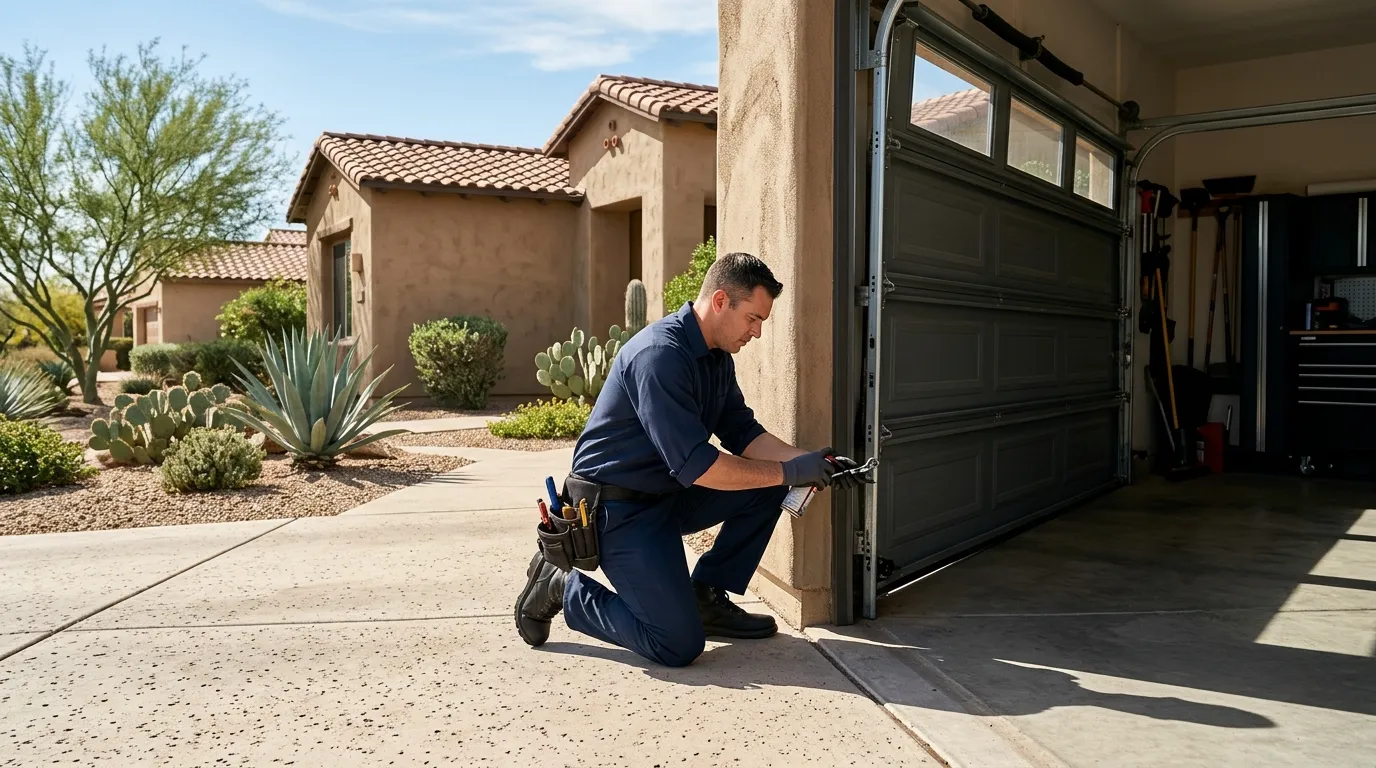
What Happens When You Call
-
1
Call or Request a Quote
Tell us what the door is doing and roughly how old the house is - that alone points us toward the likely part before a truck leaves.
-
2
On-Site Diagnosis
A tech checks the spring, cables, tracks, and opener in person and tells you plainly what is actually wrong.
-
3
Straight Price, No Surprises
You get a number before any work starts. It covers parts and labor, nothing added after the fact.
-
4
Fixed the Same Visit
Most repairs are done in one trip. If a part needs sourcing, we tell you that upfront instead of guessing.
The DIY Question
A torsion spring on a double garage door is wound tight enough to put someone in the hospital if it lets go while you're working near it. That's not an exaggeration meant to sell you a service call - it's why we don't walk homeowners through spring swaps over the phone, and why most manuals for winding bars tell you to call a pro anyway. Extension springs are a little more forgiving to look at, but the safety cables that are supposed to catch them are missing on a surprising number of the older setups we see in this area, especially on houses that still have their original 1960s-era hardware.
What you can safely do yourself: check whether the spring is broken (look for a gap in the coil, or a door that won't budge and feels twice as heavy as normal), and check whether cables have jumped their pulleys. Both of those tell us what we're walking into before we get there. What you shouldn't do: cut a wound spring, try to rebalance a door with the springs still under tension, or force an opener to lift a door that's fighting you - that's how you burn out a motor on top of the spring problem you already had.
Our limitation here is an honest one: if your door still has its original wood jambs and a spring size nobody stocks anymore, that part sometimes has to be special-ordered, and we'll tell you that up front rather than promise a same-day fix we can't back.
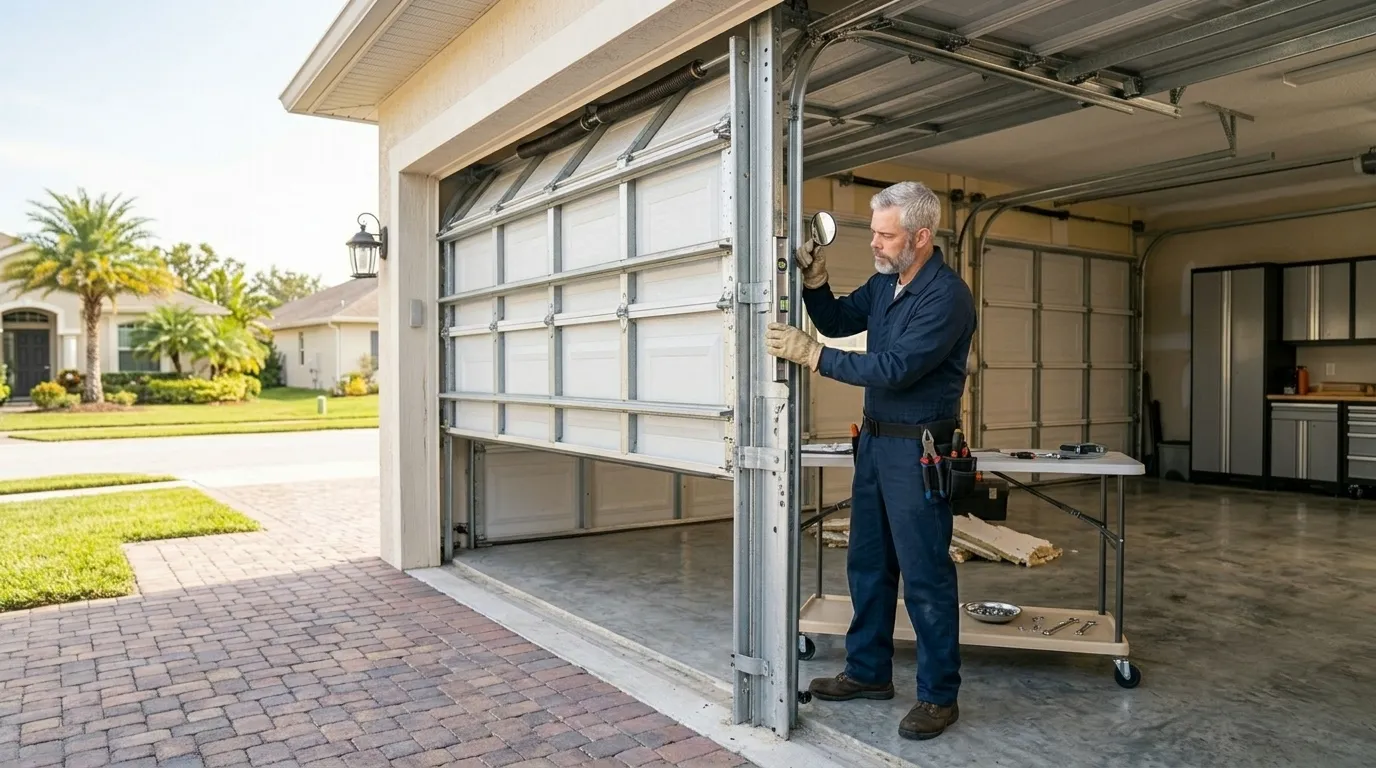
The Cost of This Job
We're not going to put a number on this page, because the honest answer is that it depends on things we can't see until we're standing in front of the door - torsion versus extension, single spring versus a matched pair, door weight, and whether the drums, cables, or bearing plates went with it when the spring broke. A single spring on a lighter door is a different job than a matched pair on a heavy insulated double, and pretending otherwise is how a homeowner gets surprised on the invoice.
What we can tell you: across this service area, where household income runs well above the state median, we see more owners opt for a full torsion conversion on old extension-spring setups rather than a like-for-like patch, because they're planning to stay in the house and don't want to have the same conversation again in five years. That's a choice, not a requirement - a straight spring swap is a legitimate repair on its own, and we'll quote both ways so you can decide.
The one thing that reliably adds cost is waiting. A door running on a broken spring puts strain on the opener, the rollers, and the track every time someone forces it, so a spring repair that sits for a few weeks sometimes turns into a spring-plus-opener repair.
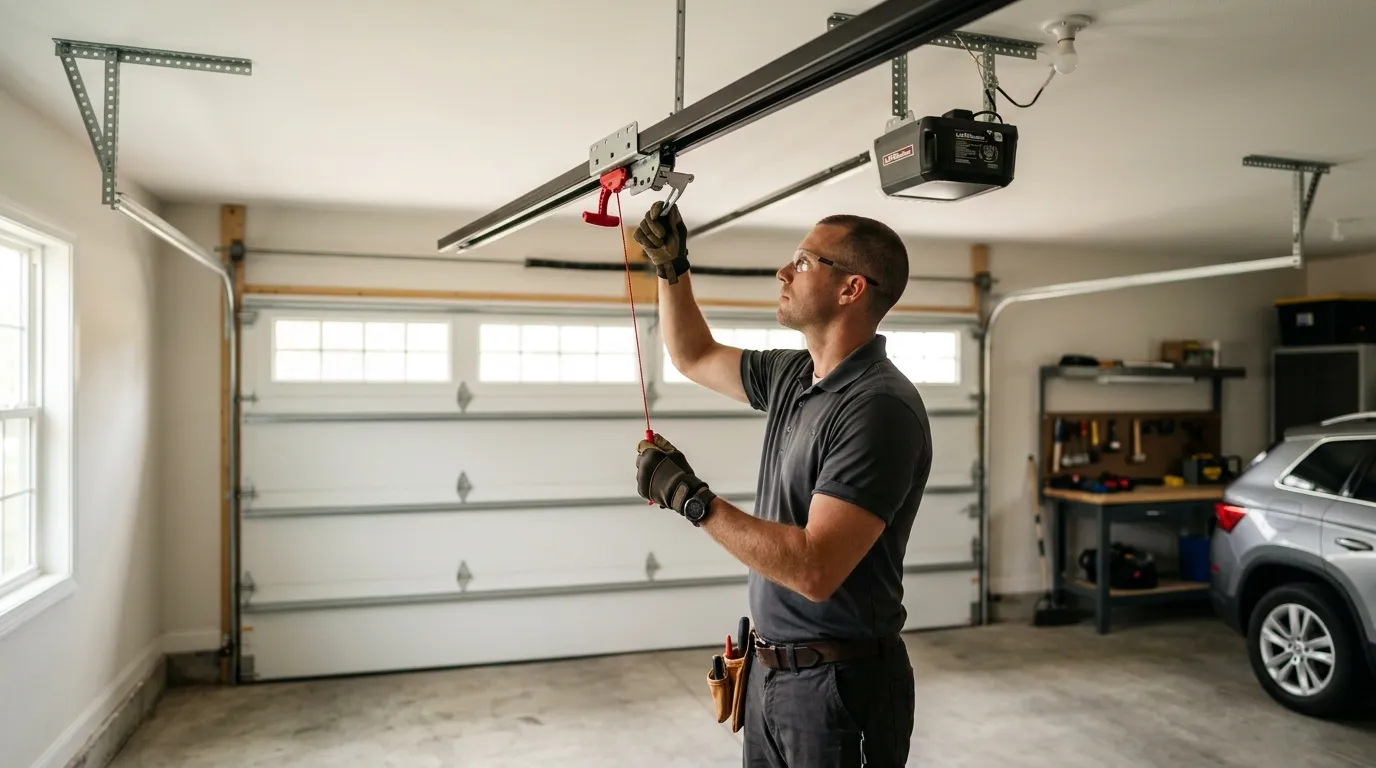
How It Shows Up
The classic sign is a door that suddenly weighs a hundred pounds more than it did yesterday - the opener strains, groans, or trips its own safety reversal because it can't tell the difference between a stuck door and an obstruction. Sometimes you get a loud bang from the garage, usually first thing in the morning when the temperature swing is biggest, and that's the spring letting go under tension.
On extension-spring setups, you'll sometimes see the door hang crooked, higher on one side than the other, which means one spring is still good and the other isn't - and that's actually more dangerous to ignore than a clean break on both sides, because the door can jump its track trying to compensate. On torsion setups, the tell is usually a door that won't lift at all, manually or with the opener, combined with a visible gap in the coil above the header.
If you catch it early - door feels heavier, opener working harder than usual, small squeal from the spring itself - that's the point to call, before it fails on a night you actually need the car out.
What Causes It Around Here
Most of the housing in this service area went up between 1938 and 1985, with the bulk of it dating to the 1960s and 70s. That matters for springs specifically because doors and hardware from that era were sized for lighter, uninsulated panels. When an owner swaps in a heavier insulated door decades later but keeps the original spring, the spring is now under-sized for the job and wears out faster than it should.
The cold-climate band this area sits in adds to that. Steel springs lose tension as they contract in cold weather, and a spring that's already near the end of its cycle life is far more likely to break on a hard freeze morning than in July. We see a seasonal bump in spring calls every winter for exactly this reason - it's not that springs break because it's cold, it's that cold weather is what finally finishes off a spring that was already fatigued from years of cycling.
In the neighborhoods closest to the harbor - East Boston, South Boston, Jeffries Point among them - salt air in the atmosphere corrodes spring coatings faster than it does further inland, so we see coil rust and pitting show up years before the coil itself fails on tension. That's a maintenance-timing issue as much as an age issue.
Talk to a Technician Before You Book
Describe what the door is doing and get a straight answer on what it likely needs.
Jobs Like Yours
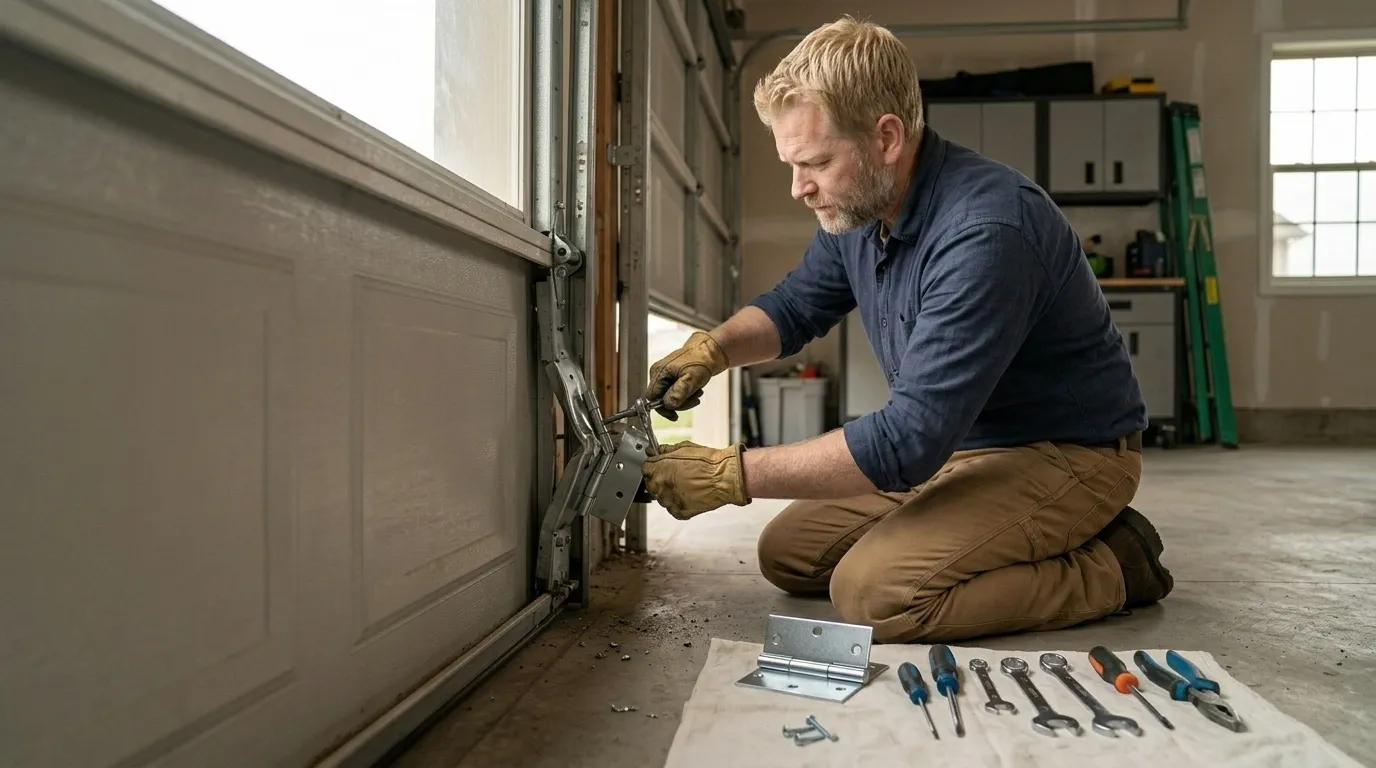
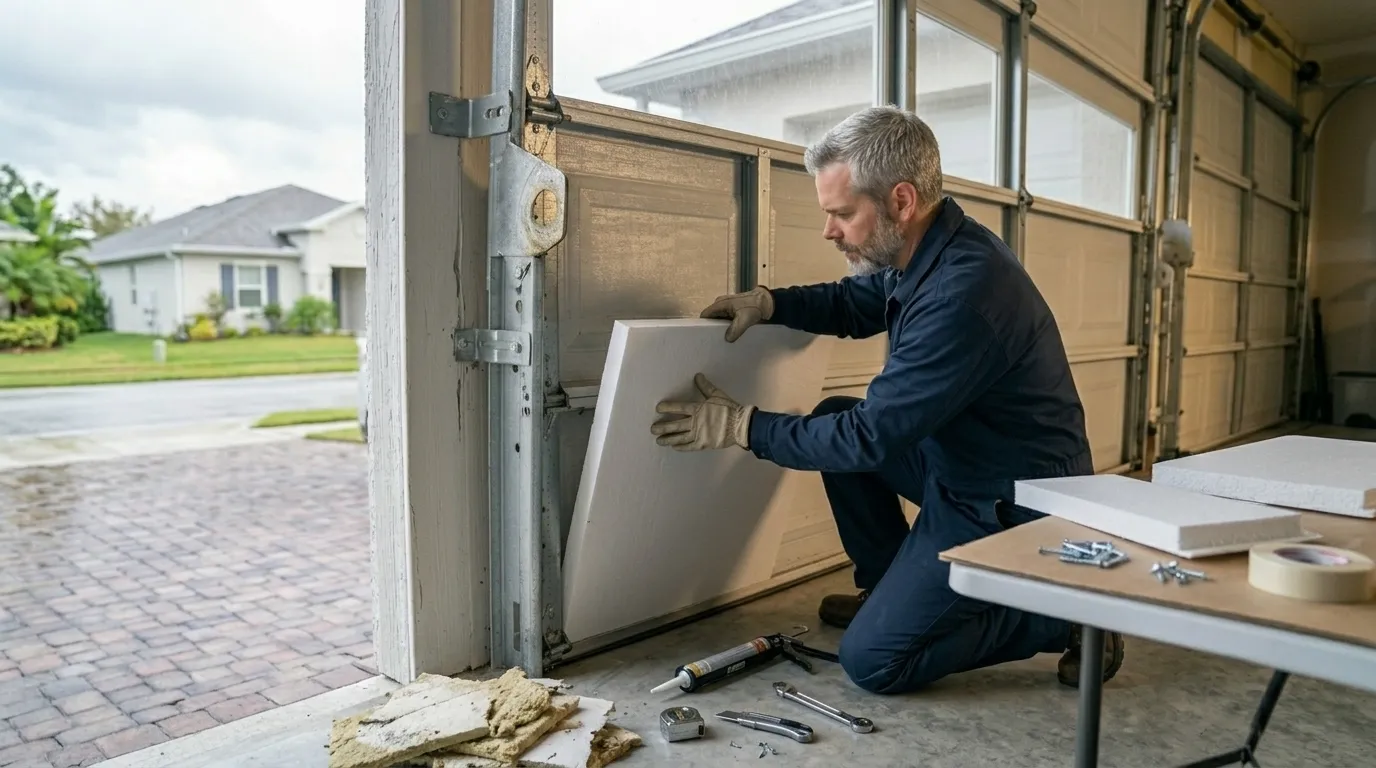
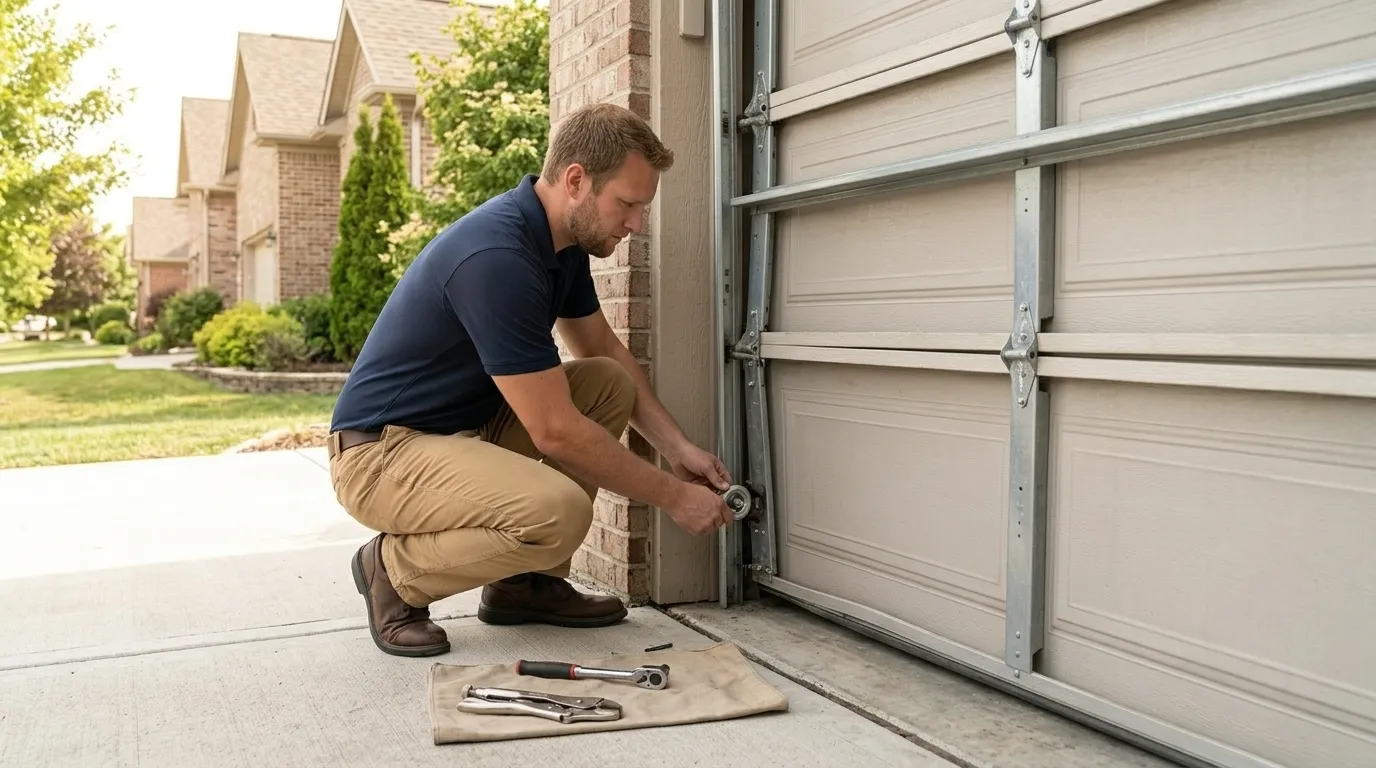
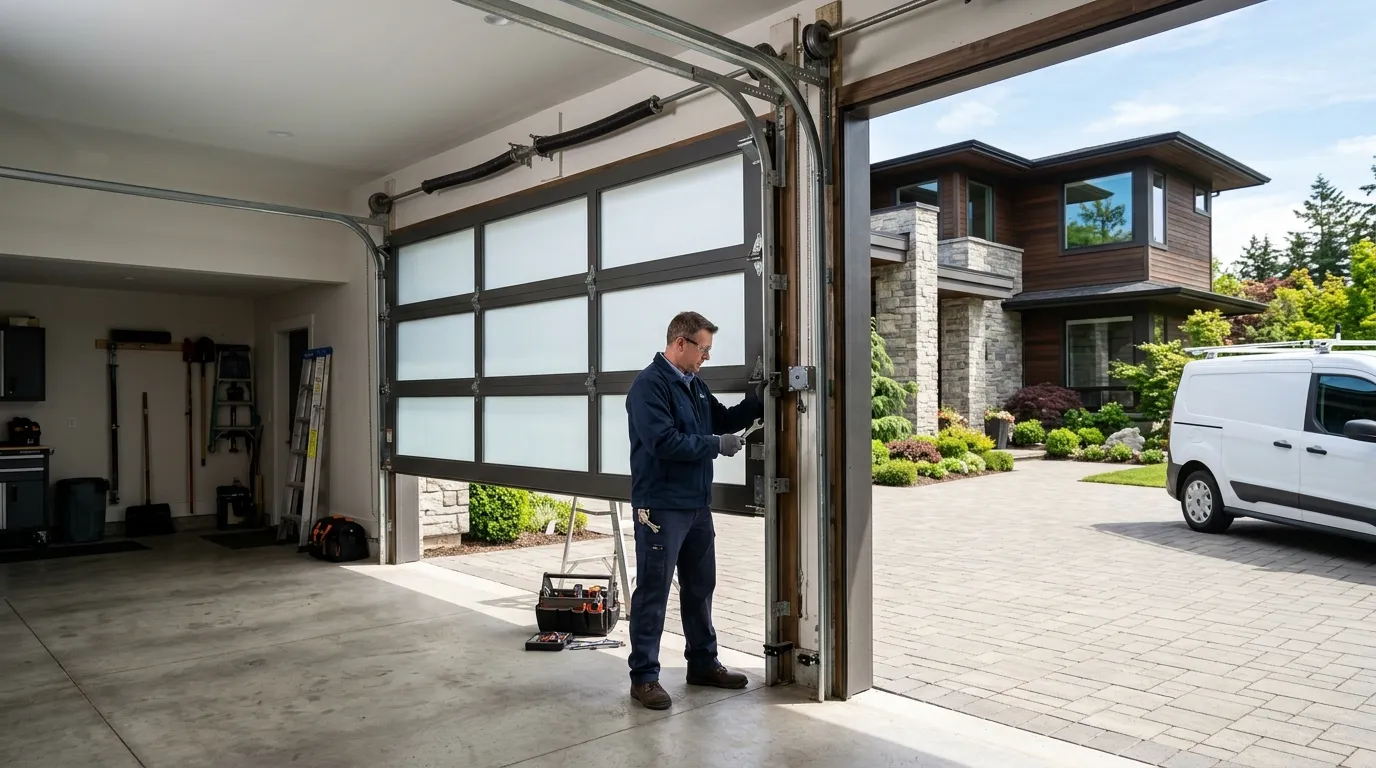
Recent work from this service line.
Why Boston Calls Us
Frequently Asked Questions
Can a garage door spring be repaired or does it always need replacing?
A broken spring itself can't be repaired - once a coil is snapped or a spring has lost its temper, it's replaced, not patched. What sometimes gets repaired instead of replaced are the parts around it: cables, pulleys, or a bent drum that took damage when the spring let go. If the spring is just weak but not broken, we can sometimes rebalance it, but that's a short-term fix, not a long-term one.
Why did my spring break in cold weather with no warning?
Steel loses some flexibility as it gets cold, and a spring that's already near the end of its cycle life is more likely to snap under that added stress. It usually isn't sudden - the spring has typically been fatiguing for months or years, and a cold morning is just the point where it finally gives out rather than the cause of the failure itself.
Is it safe to open the door manually if a spring is broken?
You can usually lift it by hand briefly to move a car out, but expect it to feel very heavy and don't leave it propped open unsupported - without spring tension, the door has nothing holding it up but you. Don't run the opener on a broken spring; it can burn out the motor trying to lift weight it wasn't designed to handle alone.
How do I know if I need one spring replaced or both?
If your door has two torsion springs, we generally replace both at once even if only one broke, because the second is close behind on cycle life and it's not worth a second service call. On a two-spring extension setup, the same logic applies. A single-spring torsion system only needs the one, obviously.
Need Garage Door Spring Repair Across Boston?
Call now for straight answers on cost and timing.