
Garage Door Service in Cambridge
Garage Door Service for Cambridge Homes
Cambridge homes mostly went up around 1948, well before Boston's typical 1960s stock. That gap shows up in the springs, tracks, and openers we find on calls here.
- Licensed & Insured
- Same-Area Service Calls
- Upfront Pricing
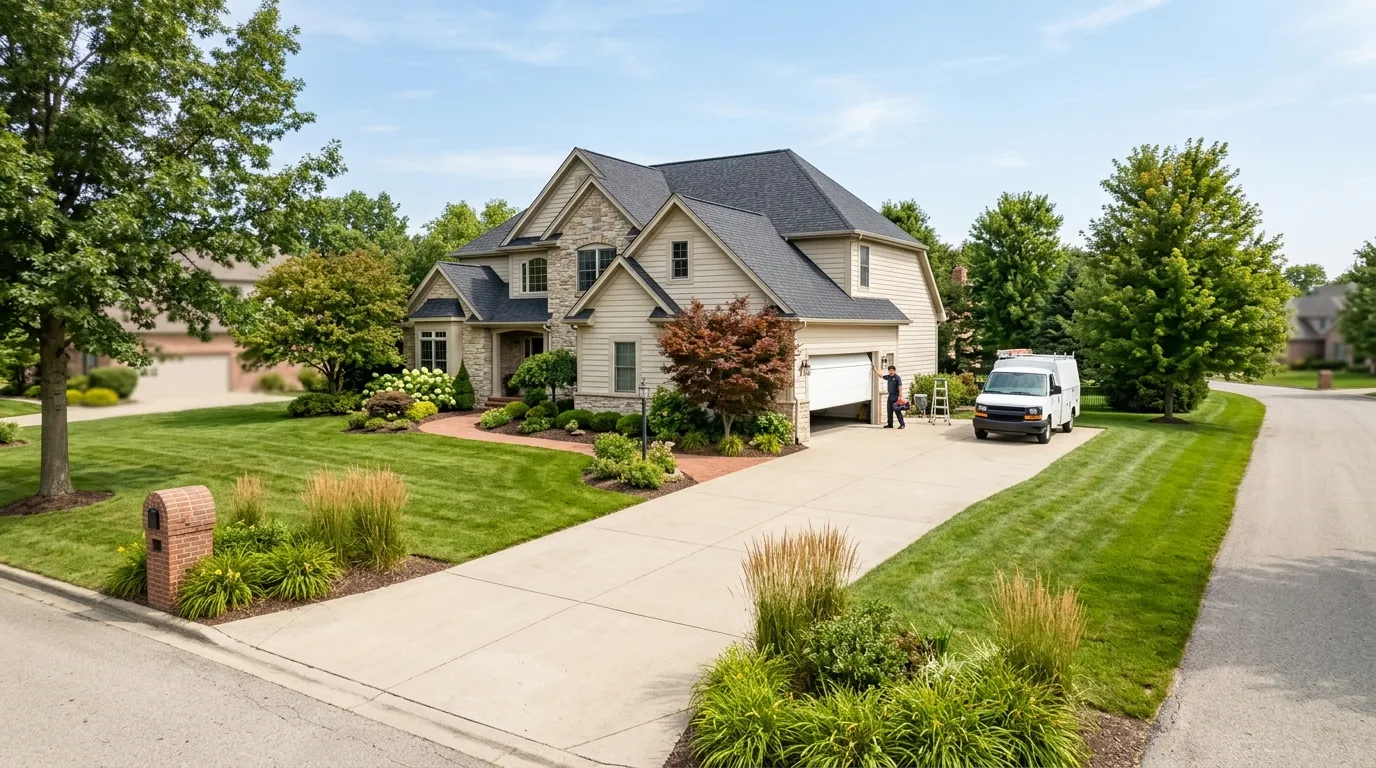
What Happens When You Call
-
1
Call or Request a Quote
Tell us what the door is doing and roughly how old the house is - that alone points us toward the likely part before a truck leaves.
-
2
On-Site Diagnosis
A tech checks the spring, cables, tracks, and opener in person and tells you plainly what is actually wrong.
-
3
Straight Price, No Surprises
You get a number before any work starts. It covers parts and labor, nothing added after the fact.
-
4
Fixed the Same Visit
Most repairs are done in one trip. If a part needs sourcing, we tell you that upfront instead of guessing.
How to Book
We run this job out of Boston, six miles down the road, so there's no local branch or depot in Cambridge to point you to. Call and describe what the door is doing - grinding, refusing to open, sagging on one side - and we'll get a truck routed out. We don't quote a fixed response window here because we're not stationed in town, but the distance is short enough that it doesn't change how the job gets handled once we arrive.
Have the door's rough age and whether it's a torsion or extension spring setup handy if you know it; if you don't, that's fine, that's part of what the first few minutes on site are for. We also don't do phone-only diagnosis for anything beyond a stuck opener or a dead remote - springs and cable problems need eyes on the actual hardware before we'll commit to a price.
What Is on the Truck
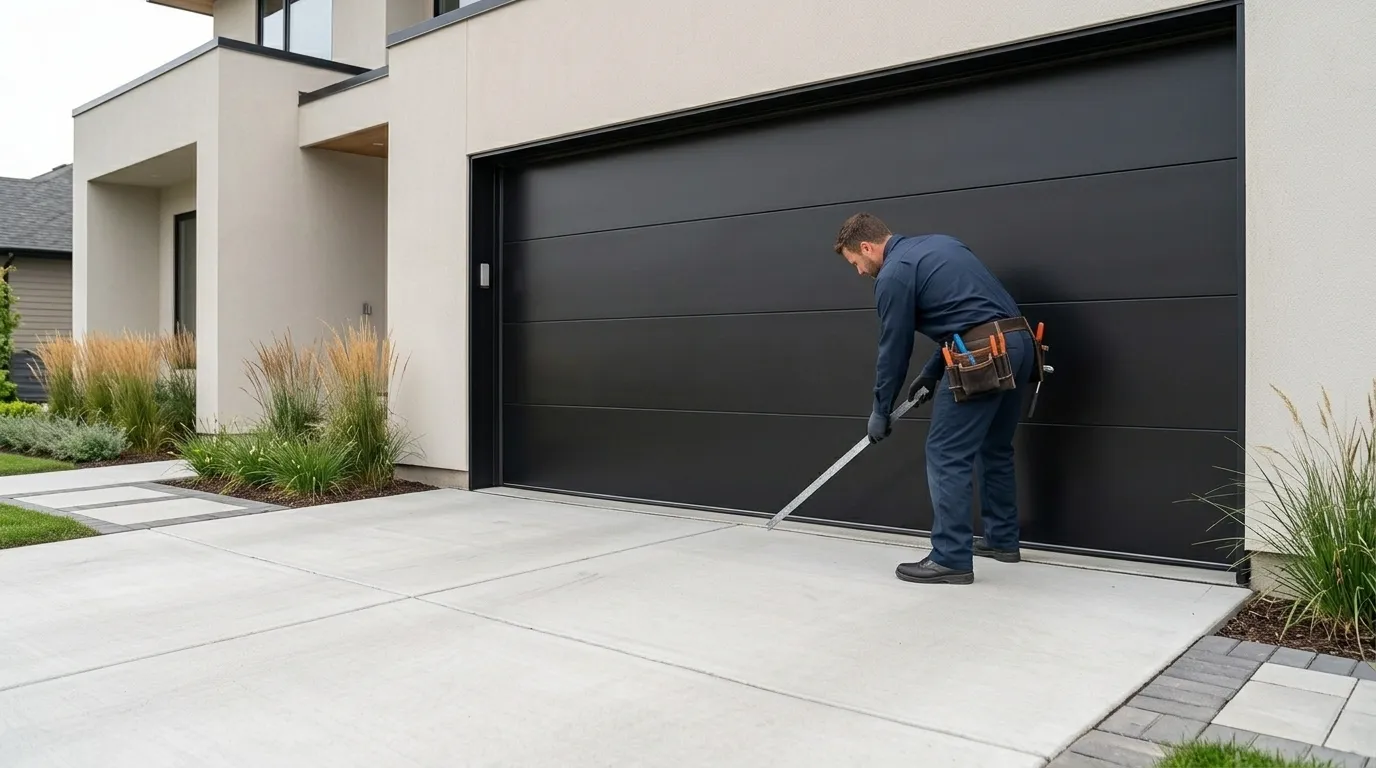
For a city built up as early as Cambridge was, the truck carries a wider spread of spring sizes and drum types than a newer suburb would need, because 1940s-era door openings weren't standardized the way later tract housing was. We carry torsion springs in the wind and wire-gauge ranges that fit doors from that build era, plus extension spring sets for the older overhead track systems some of these houses still run.
We also stock steel rollers and galvanized cable rated for the cold-climate cycling this region sees, since brittle cable in low temperatures is a routine failure here, not an exception. What we don't carry is obsolete wood panel stock - if an original wood door has rotted past the point of patching, we're set up to replace it, not rebuild it board by board.
The DIY Question
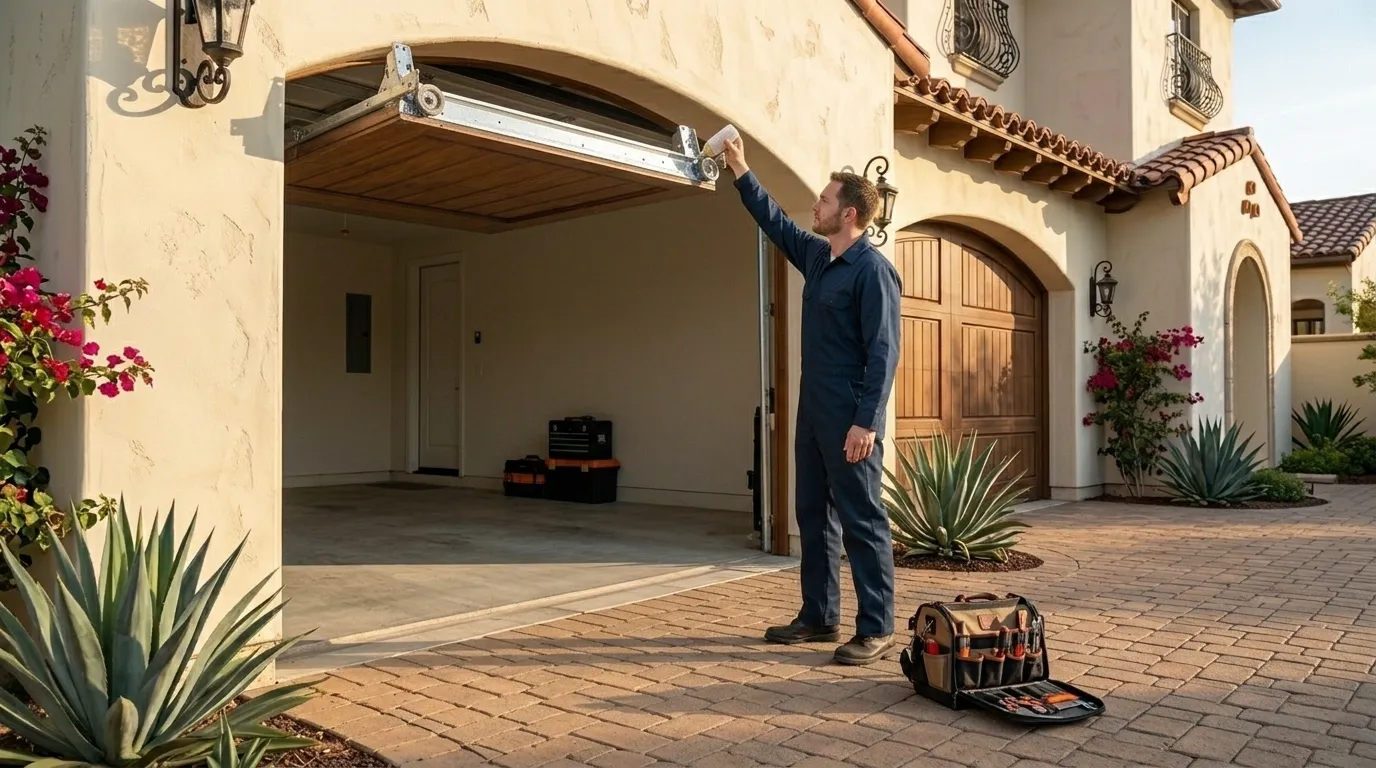
A door that won't close because the sensors are dirty or misaligned is a fair DIY fix - clean the eyes, check they're pointed at each other, done. A door that's heavy, uneven, or making a bang and a slack cable is not. On a house from this era the spring is very likely original or a mismatched replacement from decades ago, and it's under enough tension to do real damage if it lets go while someone's got a wrench on it.
We'll walk a homeowner through the simple stuff on the phone, but we won't talk anyone through a spring swap. If your opener is the only issue and it's a newer add-on to an old door, that's often a smaller job than people expect - worth a call before you assume the whole door needs replacing.
What Can Go Wrong
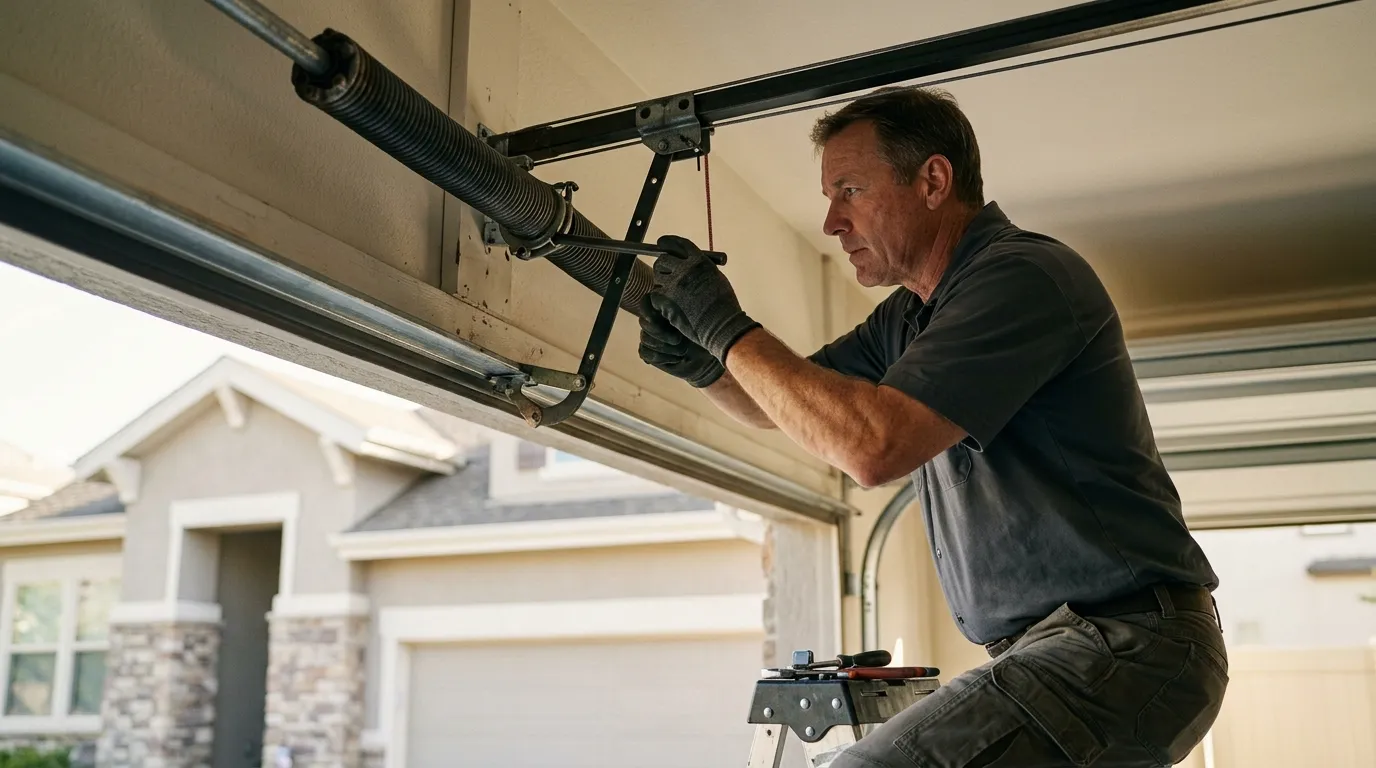
The most common call from houses of this age is a broken torsion spring - the door won't budge, or one side drops when the opener tries to lift it. Second most common is a cable that's frayed or jumped the drum, usually paired with visible wear on a track that's never been swapped since installation. Openers on these homes are frequently retrofits added years after the original door went in, so we also see mismatched gear-and-sprocket units grinding against hardware they were never quite sized for.
Panel damage shows up too, especially on doors that have taken decades of freeze-thaw cycling without a repaint or reseal. None of this is unusual for the housing stock - it's what you'd expect from doors this old.
How It Shows Up
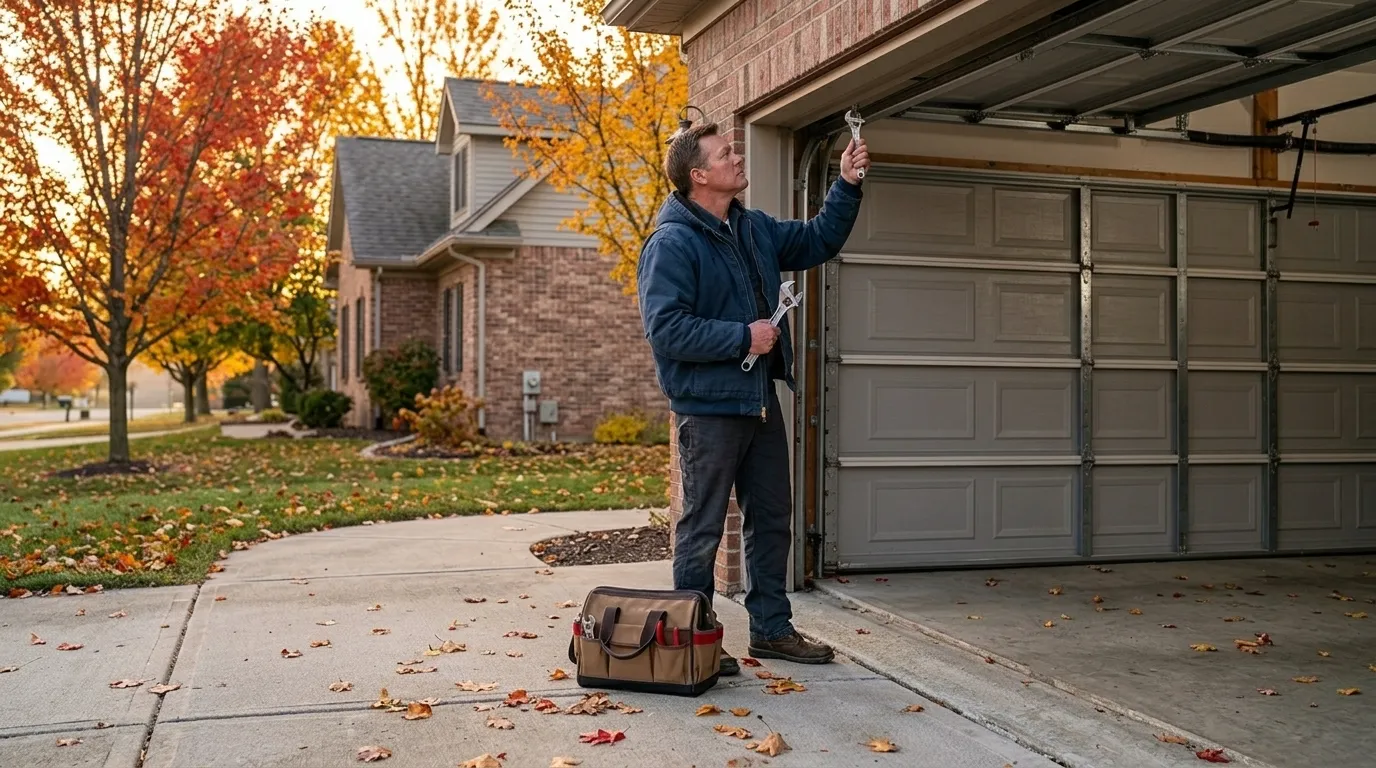
It rarely starts as a total failure. First it's a door that hesitates half a second before lifting, or one that closes crooked and needs a shove to seat. Then it's a noise - a bang on release means a spring has gone, a rhythmic clunk usually means a bent track section or a flat spot worn into a roller.
On the older extension-spring setups still running in some of these houses, the tell is the door dropping fast on the last foot of travel because the spring's lost tension gradually rather than snapping outright. Owners often wait through two or three of these smaller signs before calling, which is understandable, but a spring that's visibly stretched or gapped at the coils is close to done and worth addressing before it fails while the door's open.
What Causes It Around Here
Cambridge's housing dates to around 1948 on average, well ahead of the 1960s median that's typical for much of the wider service area, which means a larger share of the original spring, track, and drum hardware here has simply never been swapped out. Add a cold-climate winter cycle - the kind that stiffens grease, shrinks steel tolerances, and makes cable more brittle - and older hardware fails sooner than it would in a milder region. With roughly 49,592 households in Cambridge and a median income a bit below the wider area's $135,498, we see plenty of houses where a door repair gets deferred a year or two past when it should've been done, which we understand, but it does mean the spring failures we get called for tend to be further along than they would be on a newer door.
Talk to a Cambridge Technician First
Describe what the door is doing and get a straight answer on what it likely needs.
Other Garage Door Services in Cambridge
Recent Work in Cambridge
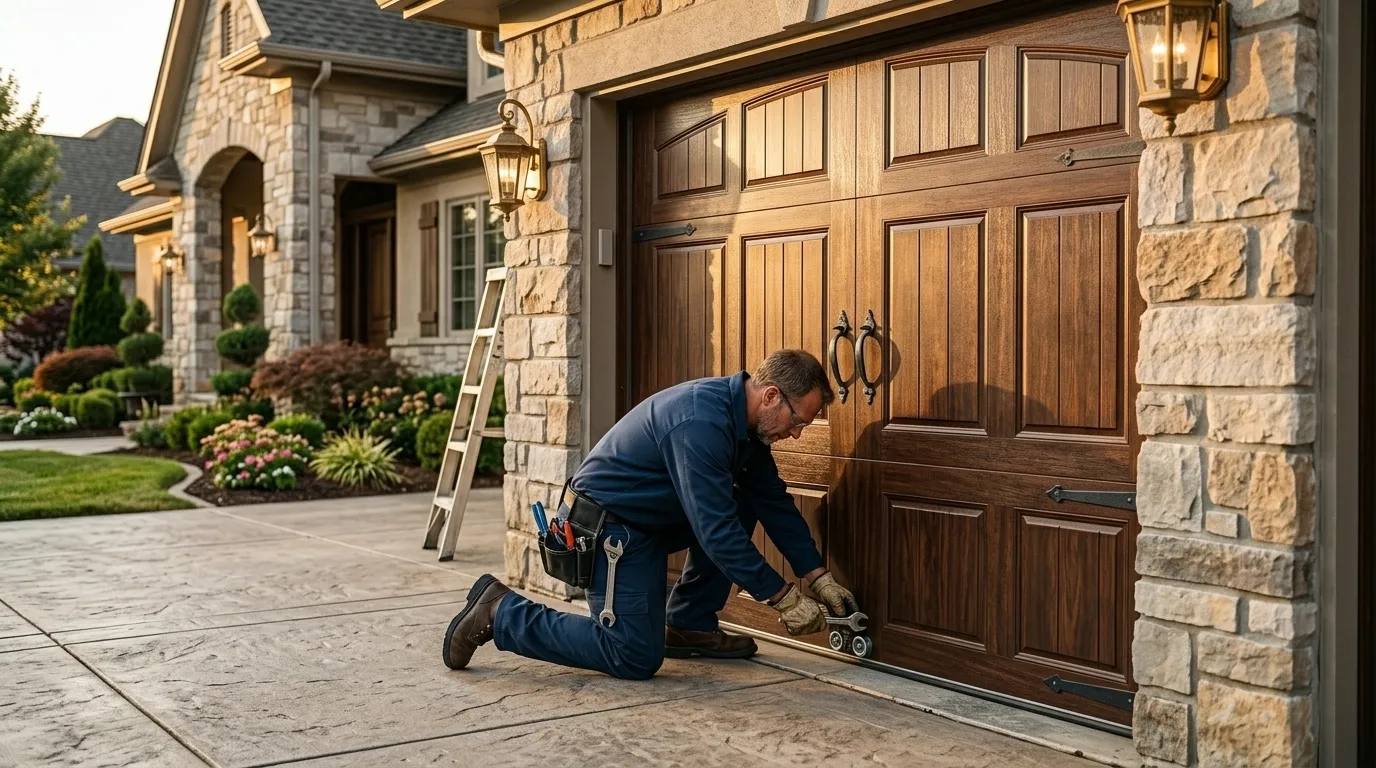
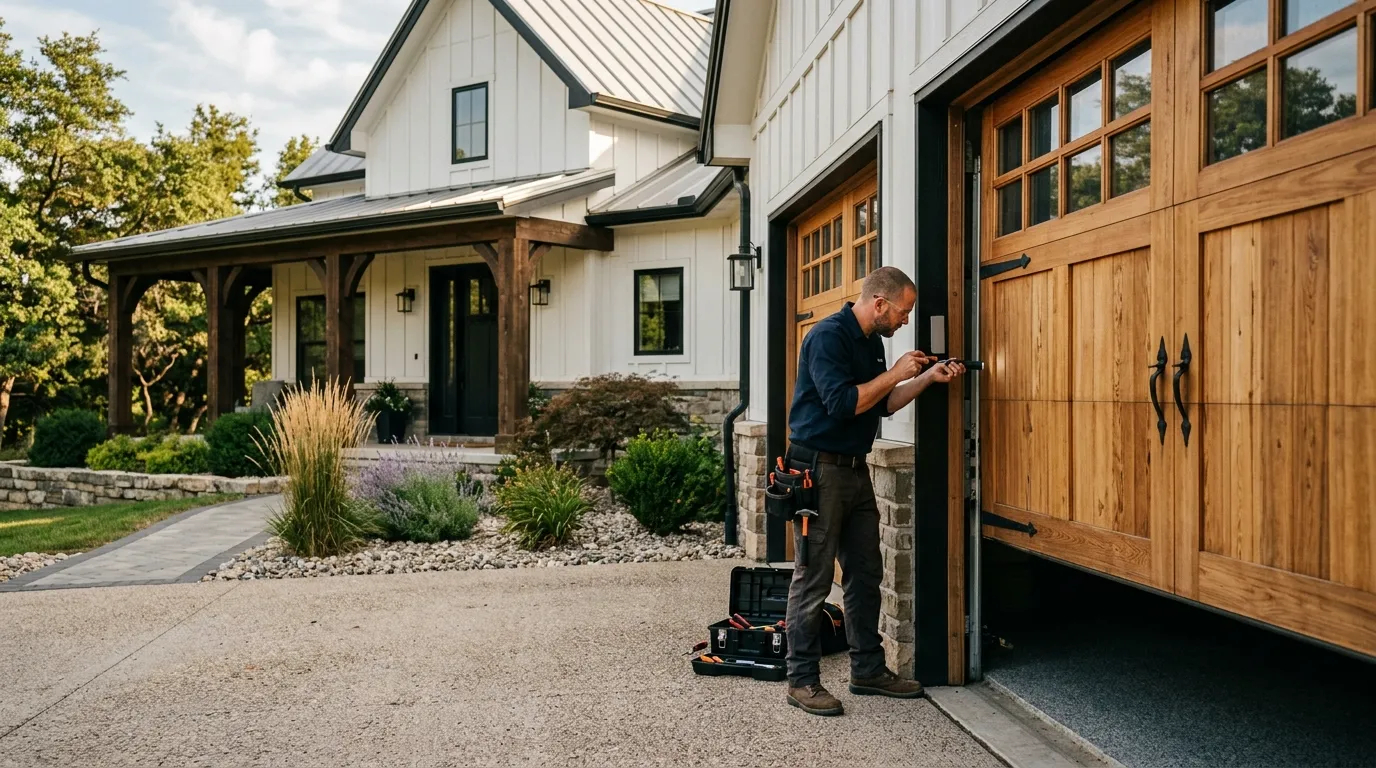
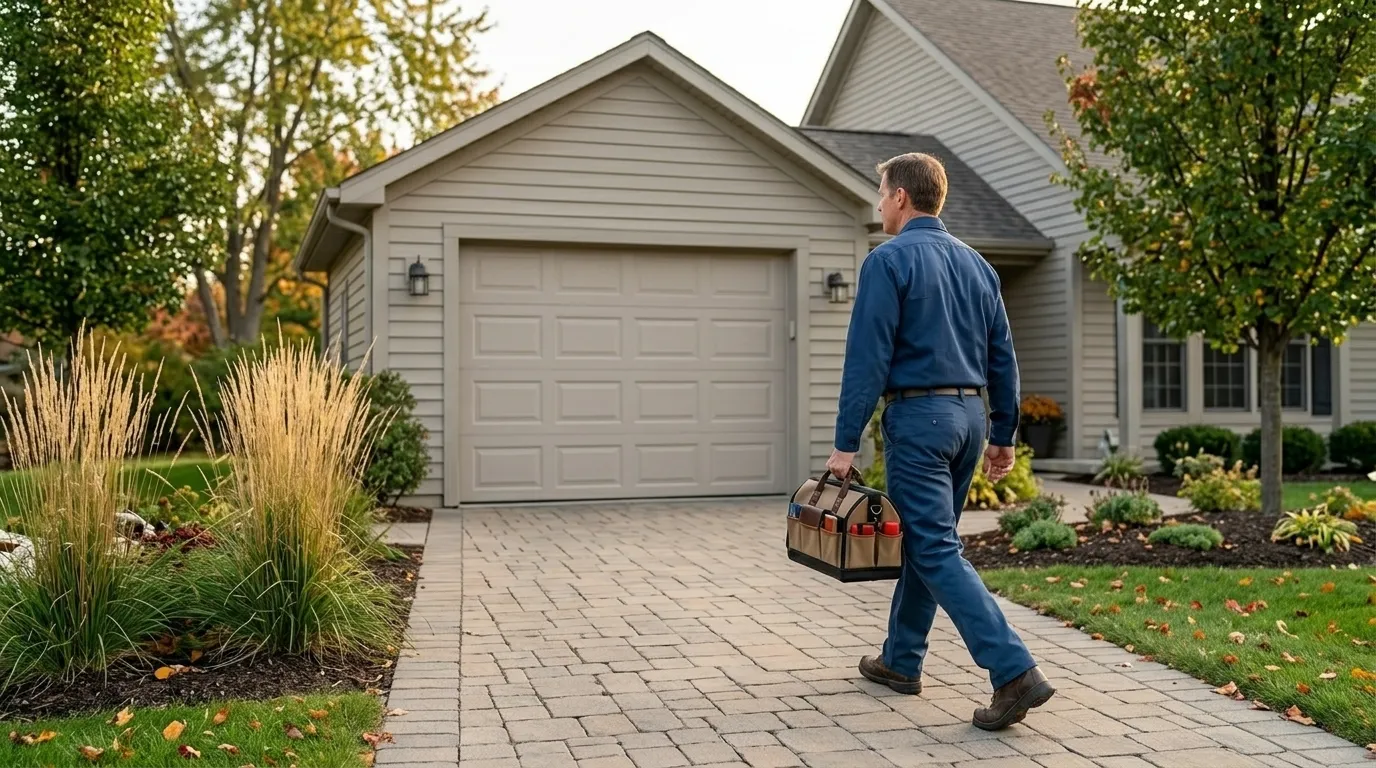
A look at jobs our crew has been on nearby.
Why Cambridge Calls Us
Frequently Asked Questions
Do you have a Cambridge branch or same-day guarantee?
No. We run this service out of Boston, about six miles away, and we don't operate a local depot in Cambridge. We also don't advertise a fixed response time for the town - call and we'll tell you honestly when a truck can get there.
Is my door's hardware likely original?
If your house dates to around the 1948 era typical for Cambridge, there's a real chance the spring, drum, and track are original or close to it. We can't tell without seeing it, but that age bracket is exactly where we find the most worn-out original hardware on calls.
Why does my door act up more in winter?
Cold, severe-winter climate stiffens lubricant and makes older cable and springs more brittle, so hardware that's already decades old tends to fail in the coldest stretch of the year rather than in summer.
Should I repair or replace an old wood panel door?
Once a wood panel has rotted past the point of patching, replacement is usually the better call than rebuilding it piece by piece - we don't do full wood panel restoration, so we'll tell you straight if that's where your door is at.
Need Garage Door Service in Cambridge?
Call now for straight answers on cost and timing.