
Opener Repair in Cambridge
Garage Door Opener Repair, Cambridge MA
Opener repair for Cambridge homes, most built around 1948. We drive the 6 miles from Boston and know the older chain-drive units this housing stock still runs.
- Licensed & Insured
- Same-Area Service Calls
- Upfront Pricing
What Happens When You Call
-
1
Call or Request a Quote
Tell us what the door is doing and roughly how old the house is - that alone points us toward the likely part before a truck leaves.
-
2
On-Site Diagnosis
A tech checks the spring, cables, tracks, and opener in person and tells you plainly what is actually wrong.
-
3
Straight Price, No Surprises
You get a number before any work starts. It covers parts and labor, nothing added after the fact.
-
4
Fixed the Same Visit
Most repairs are done in one trip. If a part needs sourcing, we tell you that upfront instead of guessing.
How to Book
Cambridge sits about 6 miles from our Boston base, close enough that a call here doesn't turn into a half-day trip but far enough that we plan the route before we leave, not after. When you call, tell us the opener brand if you can read it off the unit, and whether the door still moves by hand. That one detail changes what goes on the truck.
We book the job, give you a window, and drive over. We don't run a branch in Cambridge, so every visit starts from Boston - which is why the more you can tell us up front, the less time gets spent standing in your driveway figuring out the problem instead of fixing it.
Most opener calls here are quick once we're on site: a dead capacitor, a stripped gear, a sensor knocked out of alignment. Some aren't. If the opener is original to a house built in the late 1940s, parts availability can slow things down, and we'll tell you that on the phone, not after we've already opened the housing.
What Is on the Truck
For a city with housing mostly dating to 1948, the truck carries a mix of parts that skews older than what you'd stock for a subdivision built in the 1990s. That means drive gears and sprockets for chain-drive units, replacement capacitors, logic boards for openers that have been running long enough to outlive their original remotes twice over, and wall control stations that match older mounting patterns. We also carry the sensor kits that get bolted on after the fact, since a lot of these openers predate the safety-eye requirement and were retrofitted at some point by somebody.
What we don't carry is every board for every opener ever made. If your unit is a less common brand and the board is discontinued, we'll say so and talk you through replacement instead of chasing a part that may take weeks to source. That's the one honest limit here: we fix what's fixable same visit, and we don't pretend a part is around the corner when it isn't.
The DIY Question
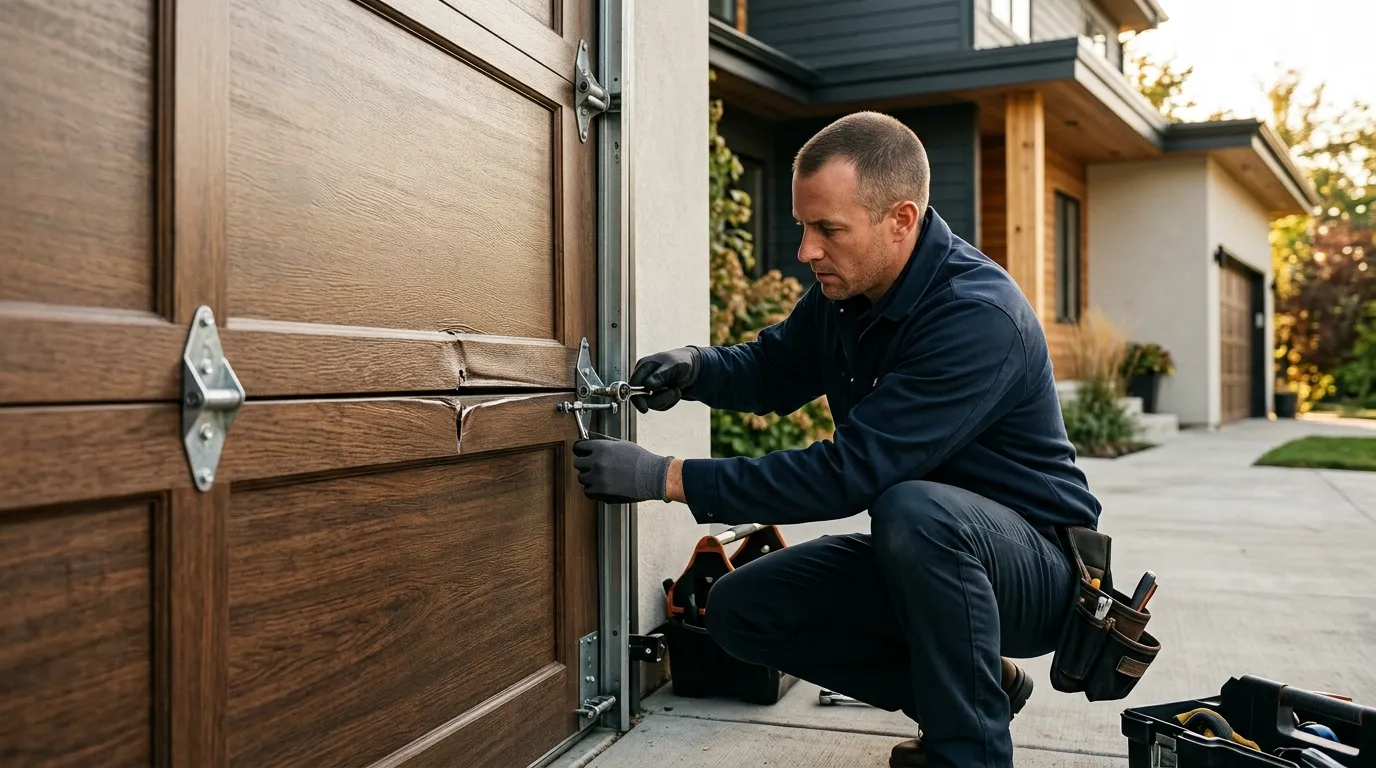
An opener that hums but doesn't move the door is usually a dead capacitor or a stripped gear - both fixable, neither something you should be opening the housing for yourself if the door is on a spring system, which most Cambridge houses of this era are. The risk isn't the opener. It's the spring behind it holding tension for a door that's been on the same torsion hardware since the house was built.
What you can safely check: whether the wall button works when you press it directly, whether the remote batteries are dead, and whether the sensor lights at the bottom of the track are lit steady or blinking. Blinking sensor lights are a five-minute fix - realignment, nothing more. A door that won't budge even from the wall button, or one that moves a few inches and reverses, is past the point where you should keep testing it yourself.
What Can Go Wrong
On houses built around 1948, the failure we see most is a logic board that's simply reached the end of its service life - not from one bad day, but from decades of a New England cold-weather cycle putting stress on the same solder joints every winter. Chain-drive openers from that era also wear at the sprocket, which shows up as a grinding sound before the chain finally skips or snaps.
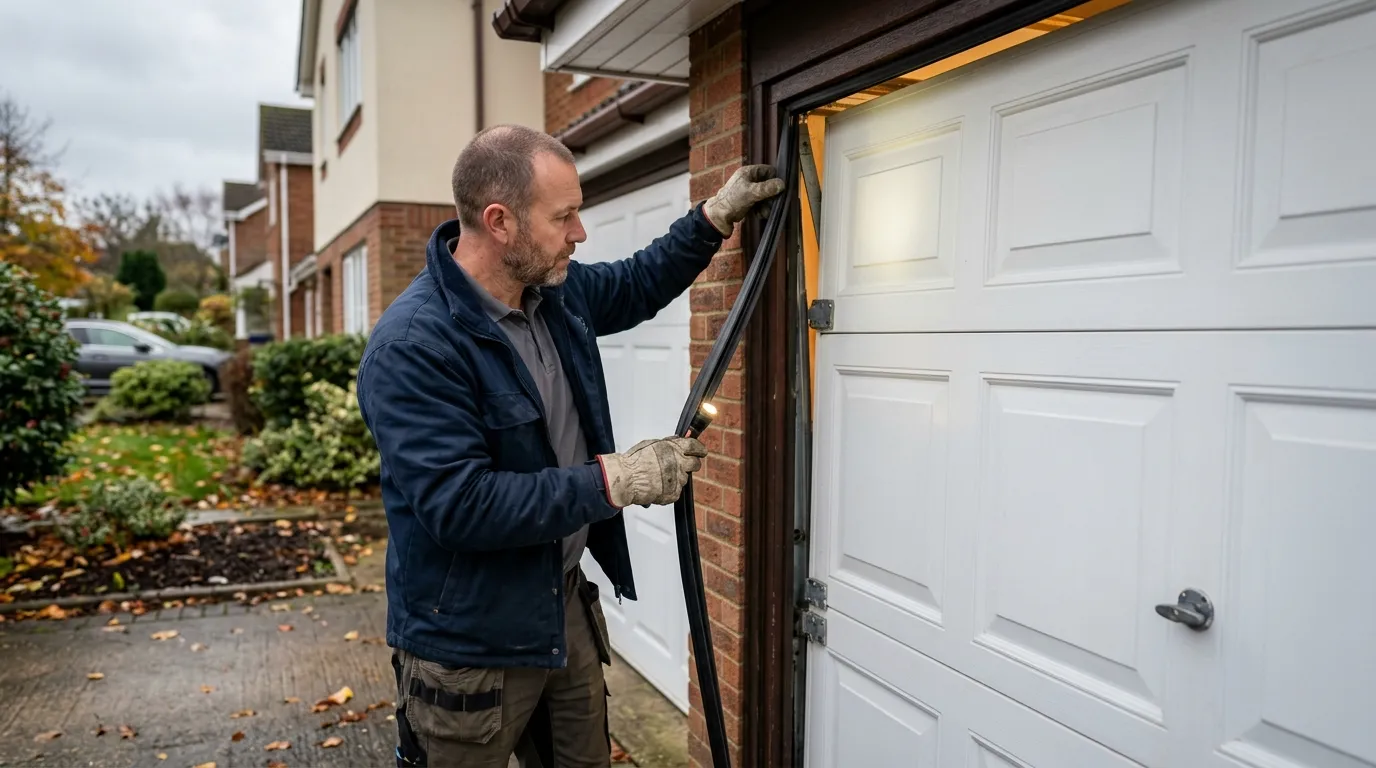
A second, less obvious problem is the safety sensor retrofit. Many of these openers were installed before sensors were required and had them added later, sometimes with wiring runs that weren't done to match the original unit. When one of those connections corrodes or loosens, the opener refuses to close at all, which reads to most owners as "the opener is broken" when it's really a five-dollar wire nut doing its job by refusing to let the door close unsafely.
How It Shows Up
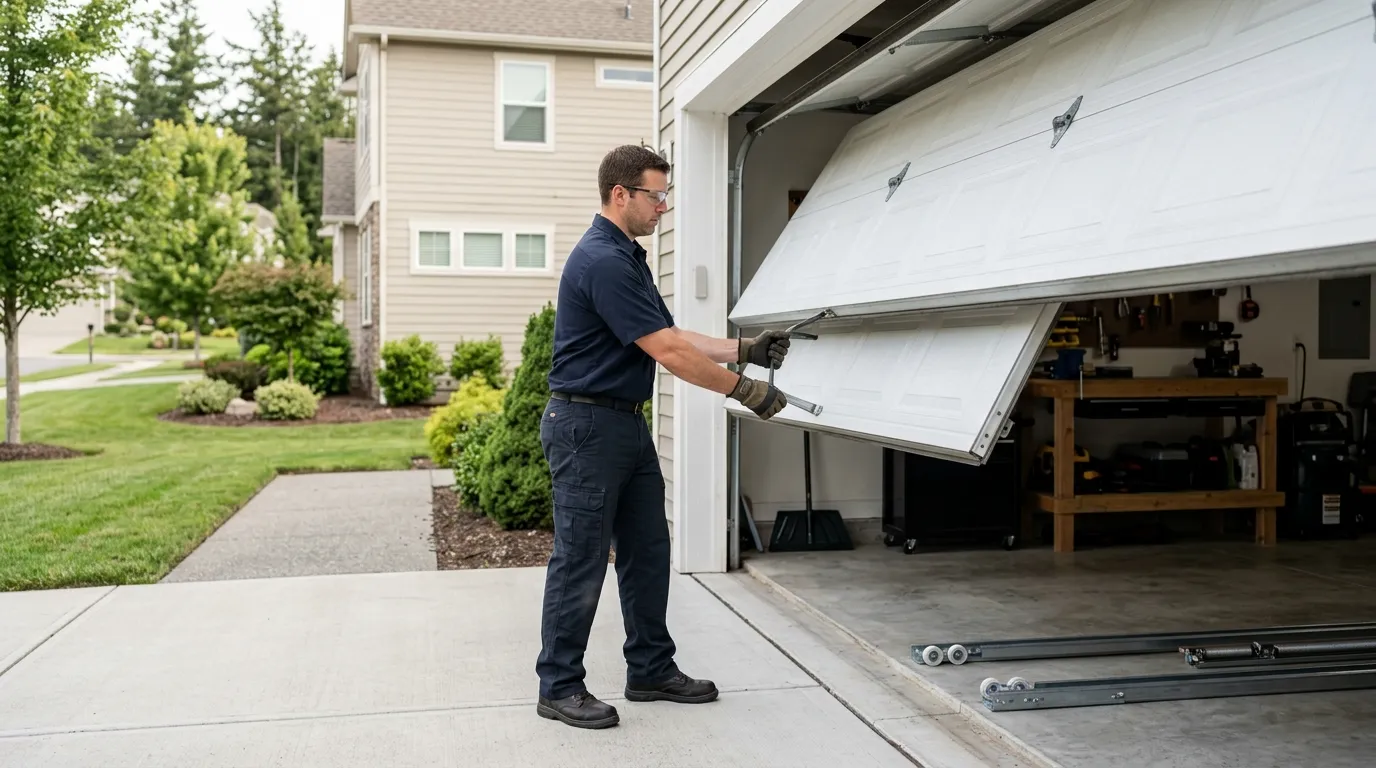
You'll usually notice it as a delay first: the opener hesitates half a second before it engages, or it runs louder than it used to. That's the motor working harder than it should, often the first sign of a capacitor going. Next stage is the door starting to move and then stopping partway, which points to the gear or the chain rather than the motor itself.
Cold snaps make it worse here. A marginal capacitor that limps along through summer can fail outright the first cold morning of the year, because the motor draws more current to overcome stiffer grease and tighter hardware tolerances in low temperatures. If your opener suddenly quit on a cold morning after working fine the day before, that timing is not a coincidence.
What Causes It Around Here
Cambridge's housing stock runs older than a lot of towns we cover - a median build year around 1948 means the openers we're replacing today are often not the first opener that house has had, but the second or third. Each generation of retrofit wiring, mismatched hardware, and DIY sensor installs adds a little more that can go wrong the next time something fails.
The other factor is the cold. This is a severe winter climate zone, and openers here work through months of temperature swings that stress motors, gears, and lubrication far more than a mild-climate opener ever sees. Combine decades-old housing stock with that kind of seasonal load, and the pattern we see on service calls in Cambridge looks different from what we'd expect in a town built in the 1980s with newer everything behind the wall.
Talk to a Cambridge Technician First
Describe what the door is doing and get a straight answer on what it likely needs.
Other Garage Door Services in Cambridge
Recent Work in Cambridge
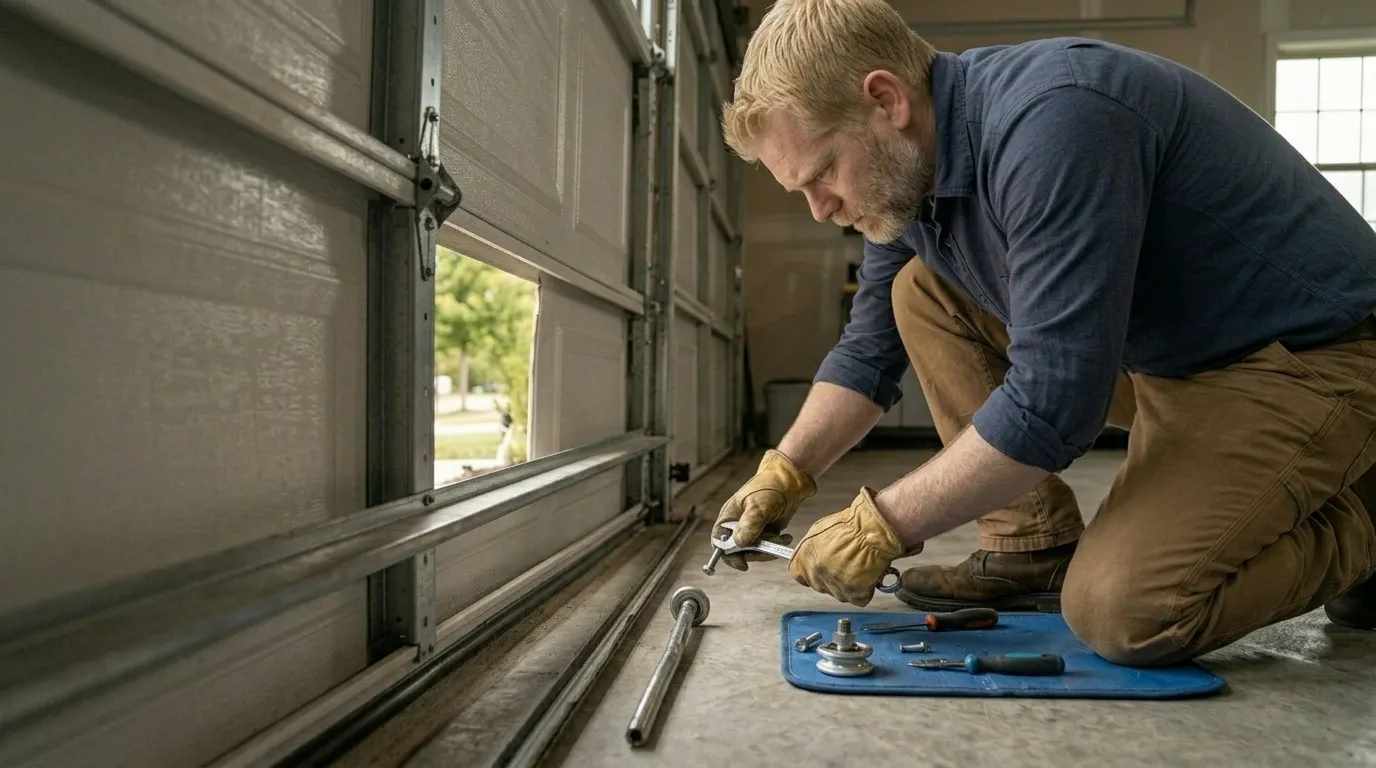
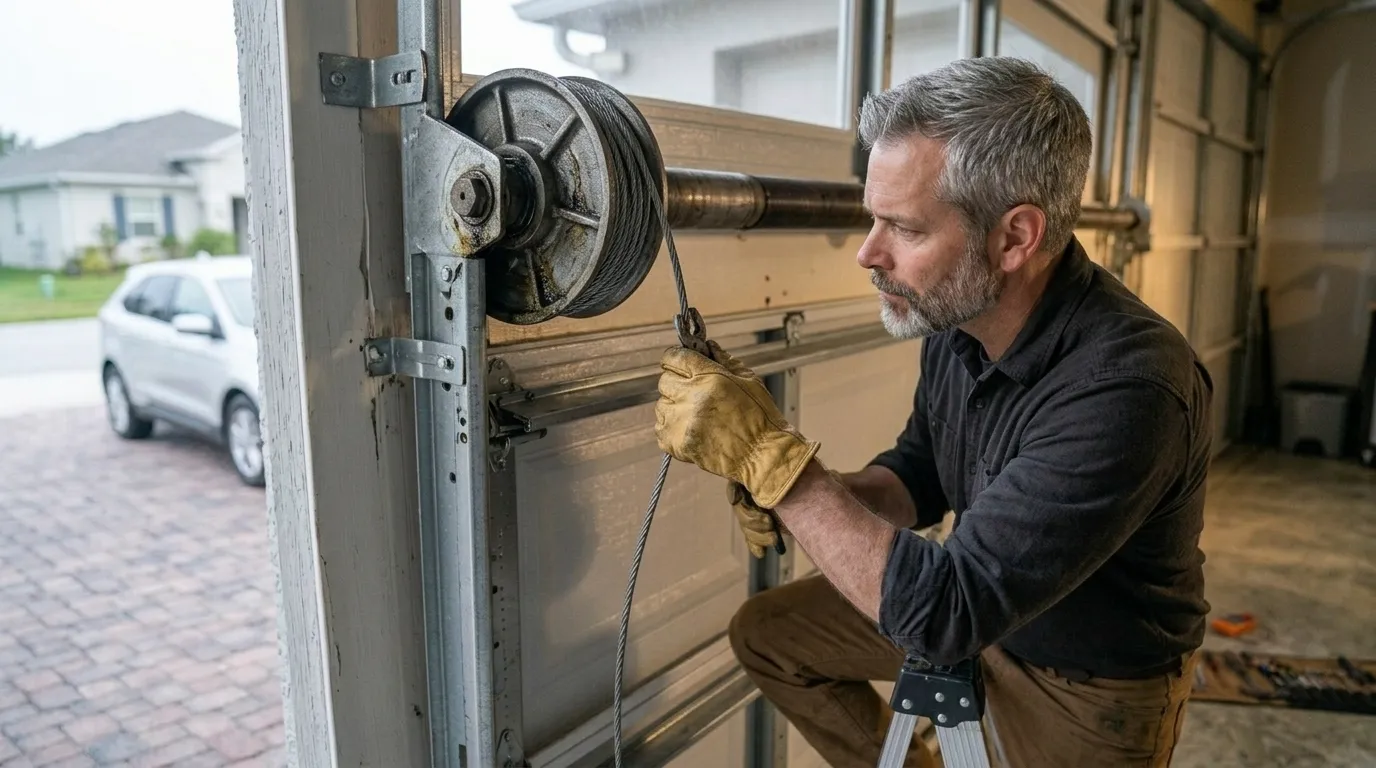
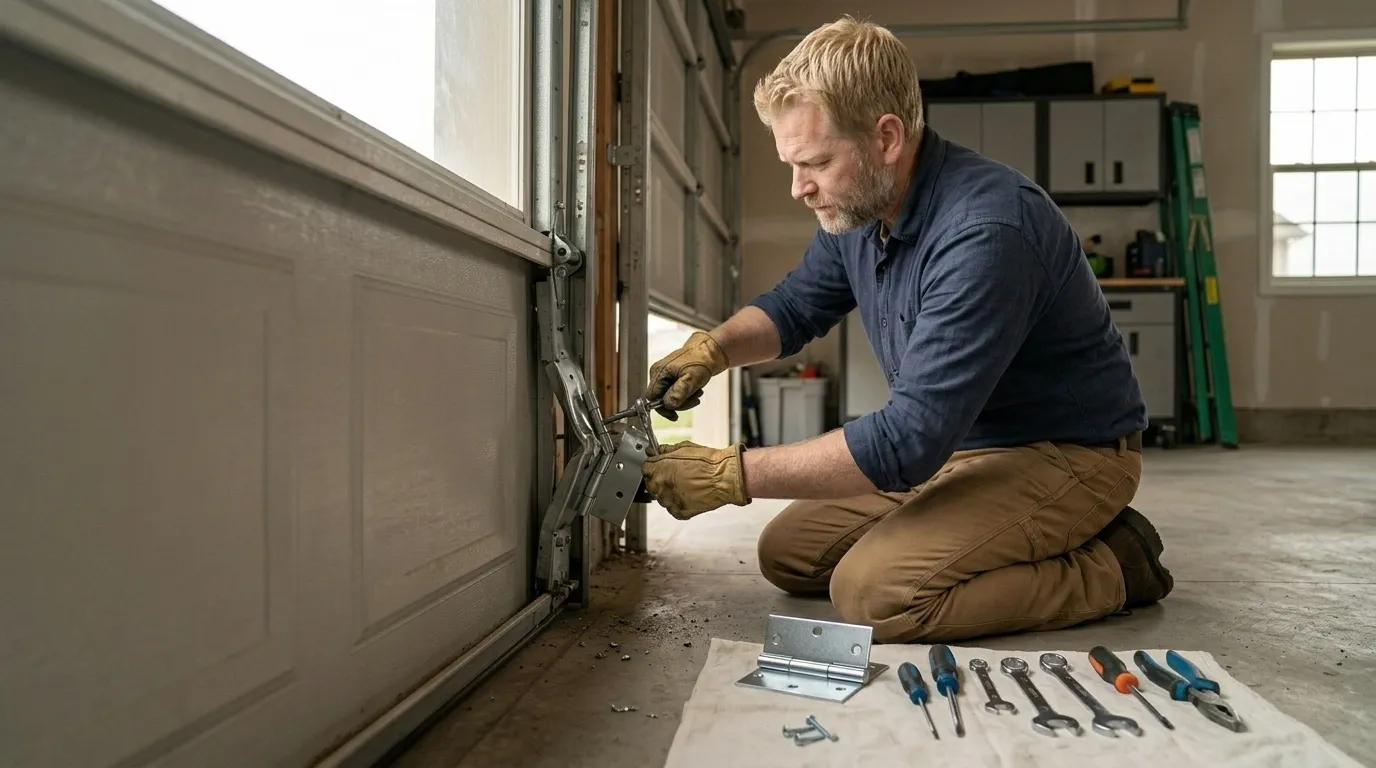
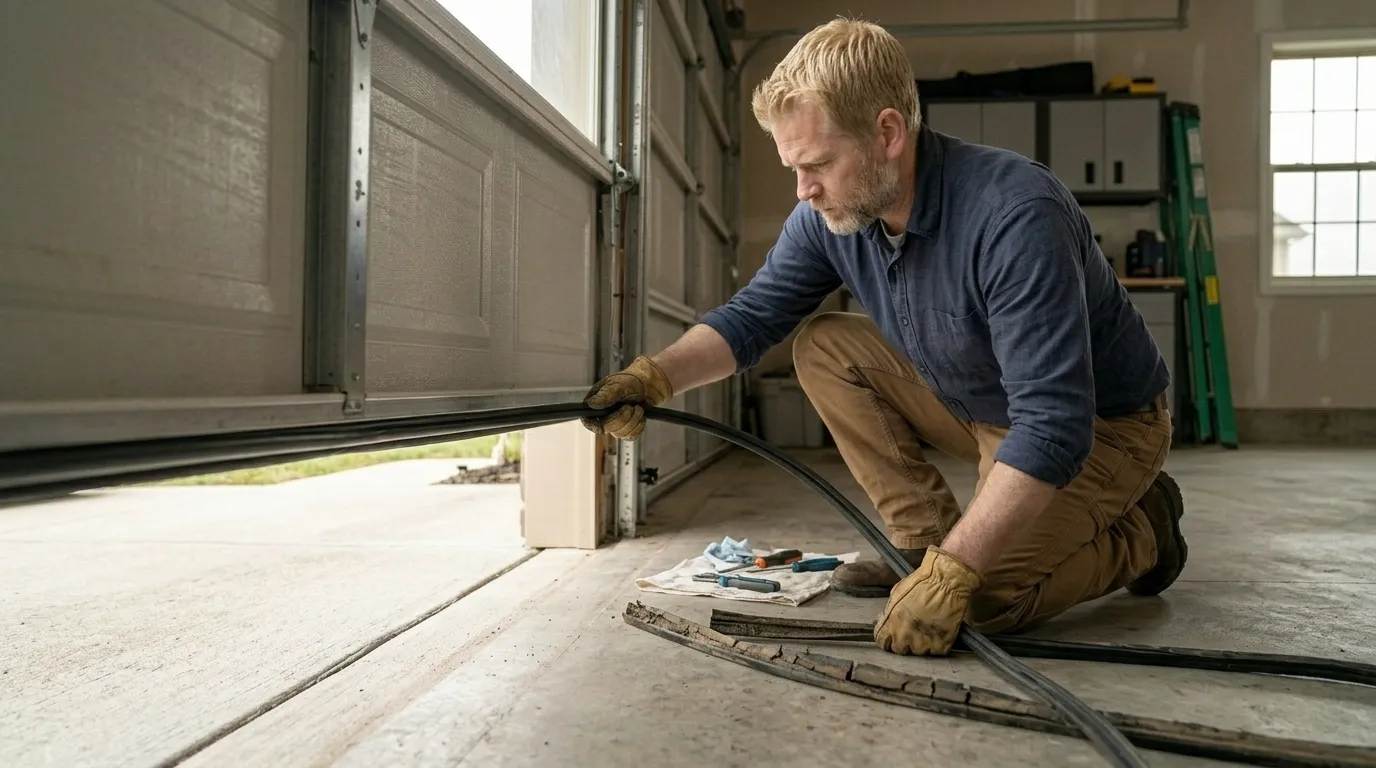
A look at jobs our crew has been on nearby.
Why Cambridge Calls Us
Frequently Asked Questions
How far out is Cambridge from your Boston location?
About 6 miles. We don't keep a branch in Cambridge, so every call starts from Boston - we account for that in scheduling, but it means the more detail you give us on the phone about the opener and door, the more efficient the visit once we arrive.
Why does my opener fail more in winter?
Cold makes the motor work harder against stiffer grease and tighter tolerances in the gears and hardware. A capacitor or board that's been marginal all year often gives out on the first hard cold morning, since that's when the motor draws the most current to get moving.
Can you always get parts for an older opener?
Not always. Houses in Cambridge often have openers that are decades old, sometimes with boards no longer manufactured. We carry common gears, capacitors, and boards on the truck, but if yours is a discontinued model, we'll tell you honestly whether repair or replacement makes more sense.
My sensor lights are blinking, not the opener itself - is that serious?
Usually not. Blinking sensor lights almost always mean the two eyes at the bottom of the track are misaligned, often from something bumping one of them. It's a quick fix, not an opener failure, and it's one of the few things worth checking yourself before calling.
Need Opener Repair in Cambridge?
Call now for straight answers on cost and timing.