
Panel Replacement in Cambridge
Panel Replacement for Cambridge Garage Doors
Panel replacement for Cambridge's 1948-era garage doors. We match sections on older steel and wood doors or explain why a full swap makes more sense.
- Licensed & Insured
- Same-Area Service Calls
- Upfront Pricing
What Happens When You Call
-
1
Call or Request a Quote
Tell us what the door is doing and roughly how old the house is - that alone points us toward the likely part before a truck leaves.
-
2
On-Site Diagnosis
A tech checks the spring, cables, tracks, and opener in person and tells you plainly what is actually wrong.
-
3
Straight Price, No Surprises
You get a number before any work starts. It covers parts and labor, nothing added after the fact.
-
4
Fixed the Same Visit
Most repairs are done in one trip. If a part needs sourcing, we tell you that upfront instead of guessing.
How to Book
Cambridge is a small city by household count, about 49,600 of them, but it's dense, and that changes what panel jobs look like here versus a spread-out town. Narrow lots mean narrow driveways, tight turning angles for cars backing in, and doors that take a hit on one bottom corner more than the rest. We come from Boston, six miles out, so book ahead rather than expecting a same-day slot.
When you call, have the door's brand and section height ready if you can find it stamped on the track bracket or the panel edge itself - it saves a trip back for the wrong part. You can also start the request through our Cambridge service page. We'll ask a few questions about the damage before we quote anything, because a scraped panel and a caved-in one are two different repairs with different parts.
What Is on the Truck
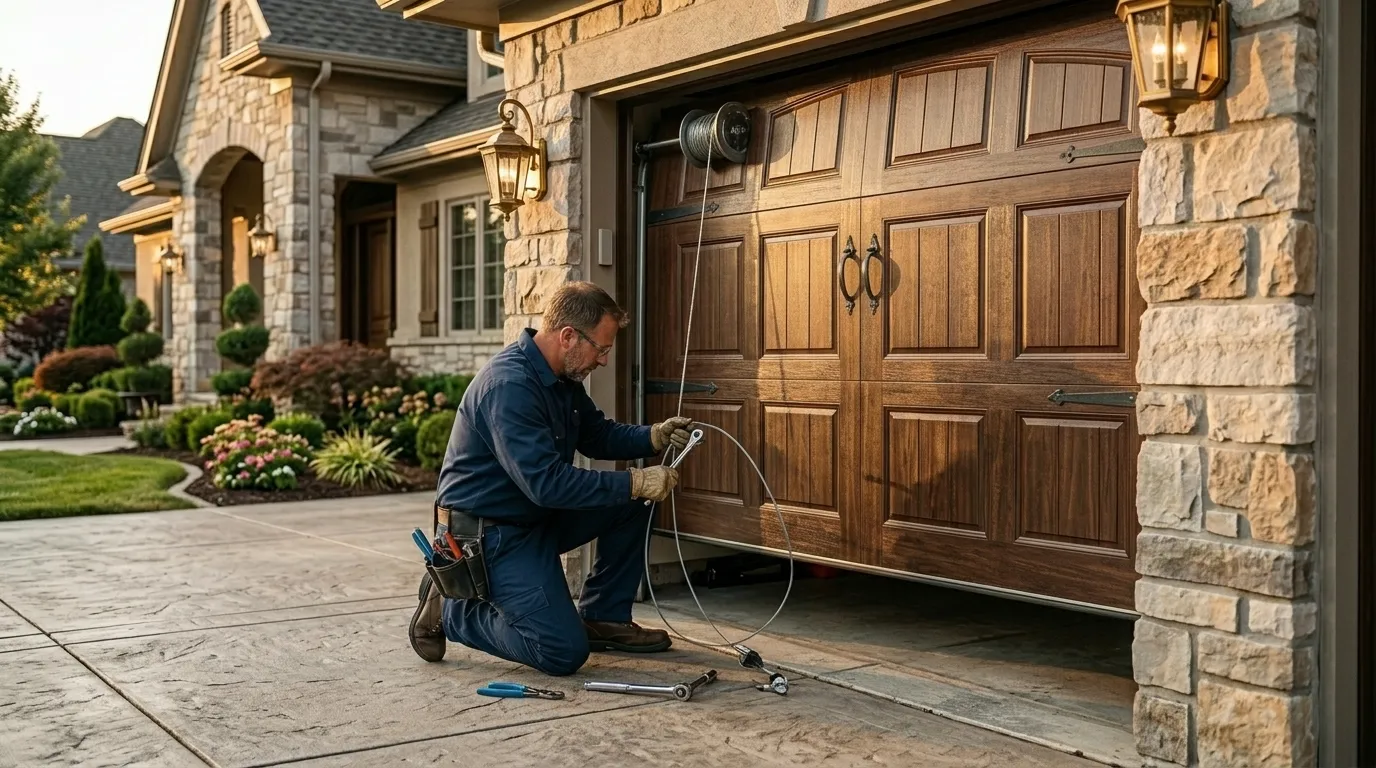
For Cambridge we carry stock that leans toward what fits older housing: steel sections in the widths common on doors installed when a lot of this city's stock went up, around 1948 and the decades after. We also carry insulated panel options, which matter here - this is a cold-climate area with real winter severity, and an insulated section keeps the temperature swing across a single door from cracking a seam over a few seasons.
What we don't carry is every discontinued panel profile ever made. If your door is old enough that the manufacturer stopped making that exact groove pattern, we'll tell you flat out rather than force a mismatch that looks patched forever.
The DIY Question
Swapping a single bottom panel on a sectional door is within reach for someone comfortable with a ladder and a socket wrench, provided the replacement panel actually matches - same width, same panel profile, same hinge spacing. That last part trips people up on older Cambridge doors, because a lot of the housing here dates to the late 1940s and the doors that came with those houses, or the replacements installed decades later, don't always match what's sold new today. Order the wrong panel and you're drilling new hinge holes or forcing a seam that never sits flush.
The honest limitation: if we can't source a matching section for your door, we won't sell you one that doesn't fit. At that point replacing the full door is usually cheaper than a bad patch job, and we'll say so instead of padding the invoice.
What Can Go Wrong
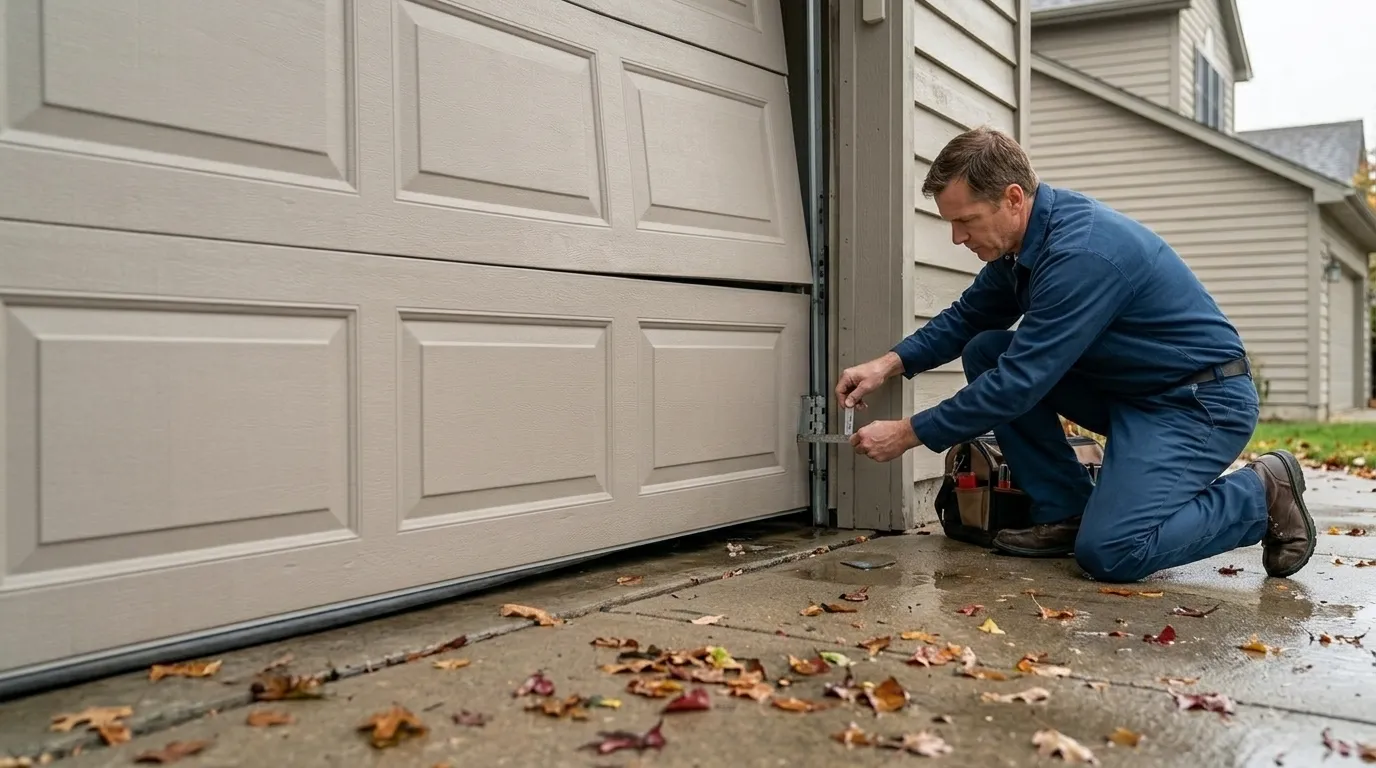
The most common failure we see on panel jobs here isn't the panel itself - it's what's attached to it. Pull a bowed or dented section off a track-mounted door and you often find the hinges or rollers on that section were also stressed, especially on doors that have been through a few cold winters without the track realigned. Skip that check and the new panel takes the same hit within a season.
On older steel doors from the 1948-1960s build era common in this city, rust under the paint is another one - it hides until you unbolt the damaged panel and the section next to it flakes at the seam. We inspect adjoining panels before we quote, not after, because a job that turns into two panels instead of one changes the price and we'd rather tell you upfront.
How It Shows Up
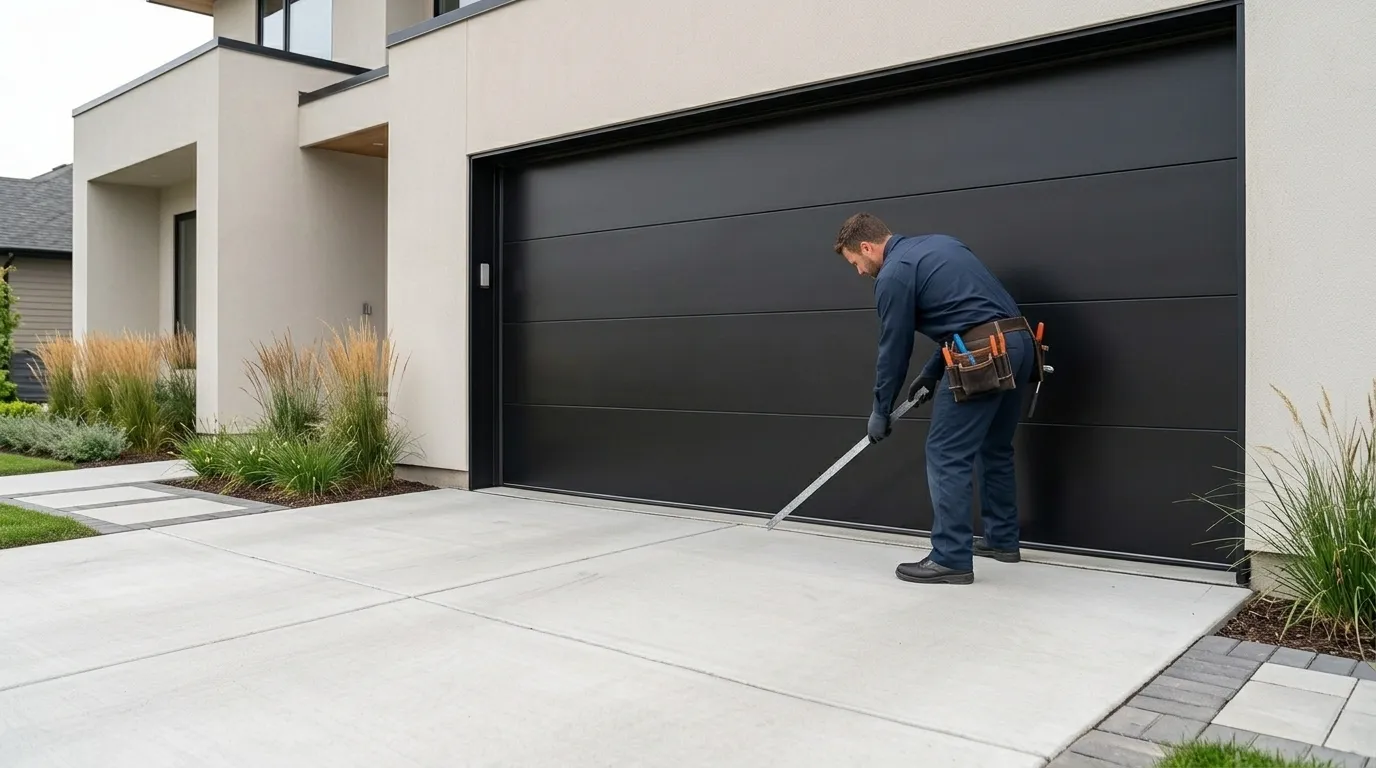
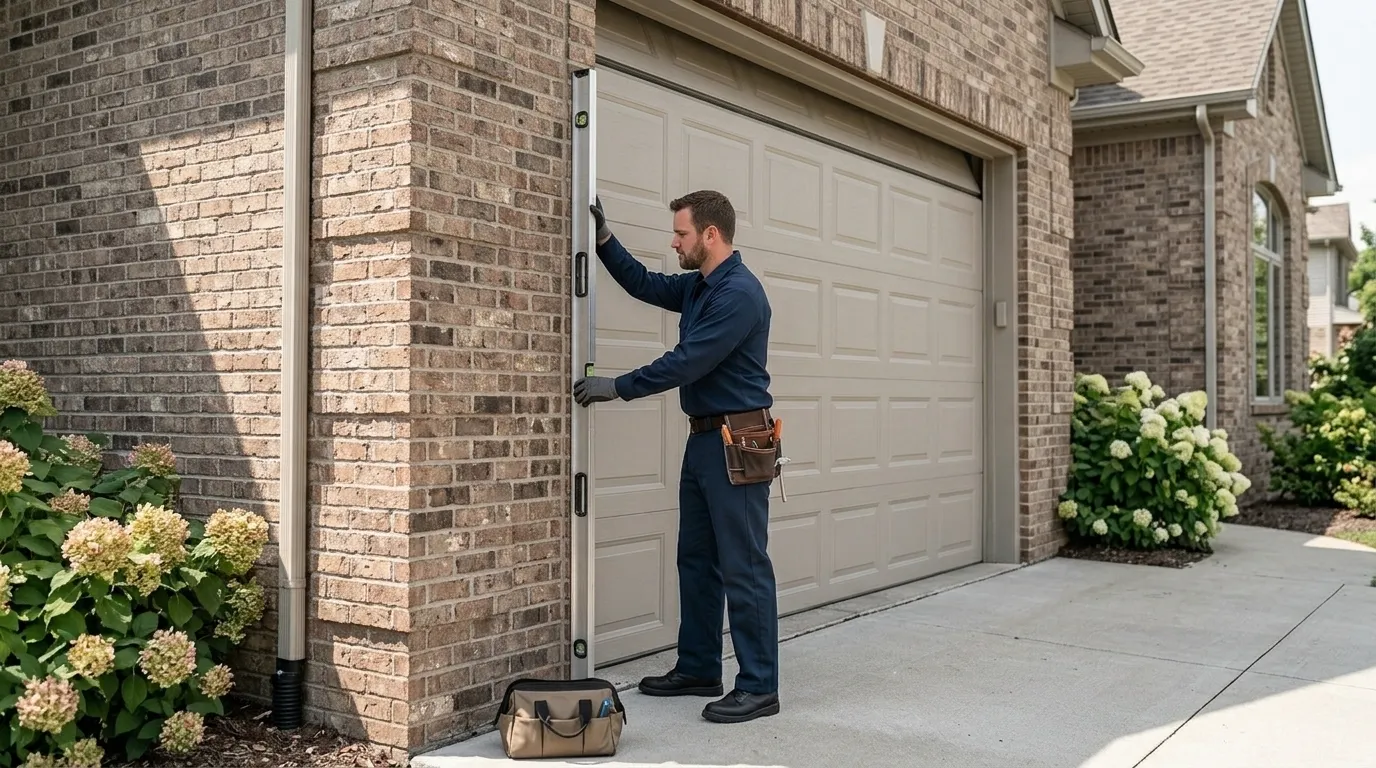
A backed-into panel usually shows as a clean dent or crease across one section, often the bottom one where a bumper makes contact. Winter is different - cold-climate freeze-thaw on an older steel panel shows up as a bulge or a seam that's pulled slightly apart, sometimes with a rust line bleeding through the paint along the bottom edge.
On wood-paneled doors from the older housing stock, the tell is soft, spongy wood at the corners rather than a dent. Either way, a bad panel usually means the door doesn't sit flush anymore, and you'll notice daylight or a draft at that one section even with the door fully closed.
What Causes It Around Here
Cambridge's density is the biggest factor. Tight driveways and street parking mean more contact - a mirror, a bumper, a bike rack - against the bottom two panels than you'd see on a door with a wide setback.
The building era matters too: a lot of the housing here dates to around 1948, and doors from that period or their mid-century replacements are steel or wood in gauges and finishes that don't hold up to decades of cold-climate winters the way a modern insulated steel panel does. Salt and moisture tracked in off a shoveled driveway sit against the bottom panel edge longer in a dense urban lot with less sun exposure, which is where we see rust start first.
Talk to a Cambridge Technician First
Describe what the door is doing and get a straight answer on what it likely needs.
Other Garage Door Services in Cambridge
Recent Work in Cambridge
A look at jobs our crew has been on nearby.

Why Cambridge Calls Us
Frequently Asked Questions
Can you match a panel on a door that old?
Sometimes. If your door dates to the 1948-era housing stock common in Cambridge, the exact panel profile may be discontinued. We'll check the section width and hinge spacing against what's currently made before we quote - if it doesn't match, we'll tell you a full door replacement is the better call rather than force a mismatched section.
Why does my bottom panel rust faster than the rest of the door?
It sits closest to the ground, where snowmelt, salt, and moisture collect longest, especially on a shaded urban lot. In a cold-climate city like this, that bottom section takes the worst of the freeze-thaw cycle every winter, which is why rust and seam separation usually start there first.
Is one dented panel worth fixing or should I replace the whole door?
Depends on the door's age and how many panels are affected. If it's a single clean dent on a newer insulated door, a panel swap makes sense. If the door is old enough that we can't source a matching panel, or if adjoining sections show rust, full replacement usually costs less than patching around a mismatch.
Need Panel Replacement in Cambridge?
Call now for straight answers on cost and timing.