
Boston Garage Door Guide
Attached or Detached: Boston's Garages Aren't Built the Same Way
Boston's 1938-1985 housing stock puts garages in two very different spots. Here's how attached vs detached changes the door, the cold-weather risk, and the fix.
- Licensed & Insured
- Same-Area Service Calls
- Upfront Pricing

The Cost of This Job
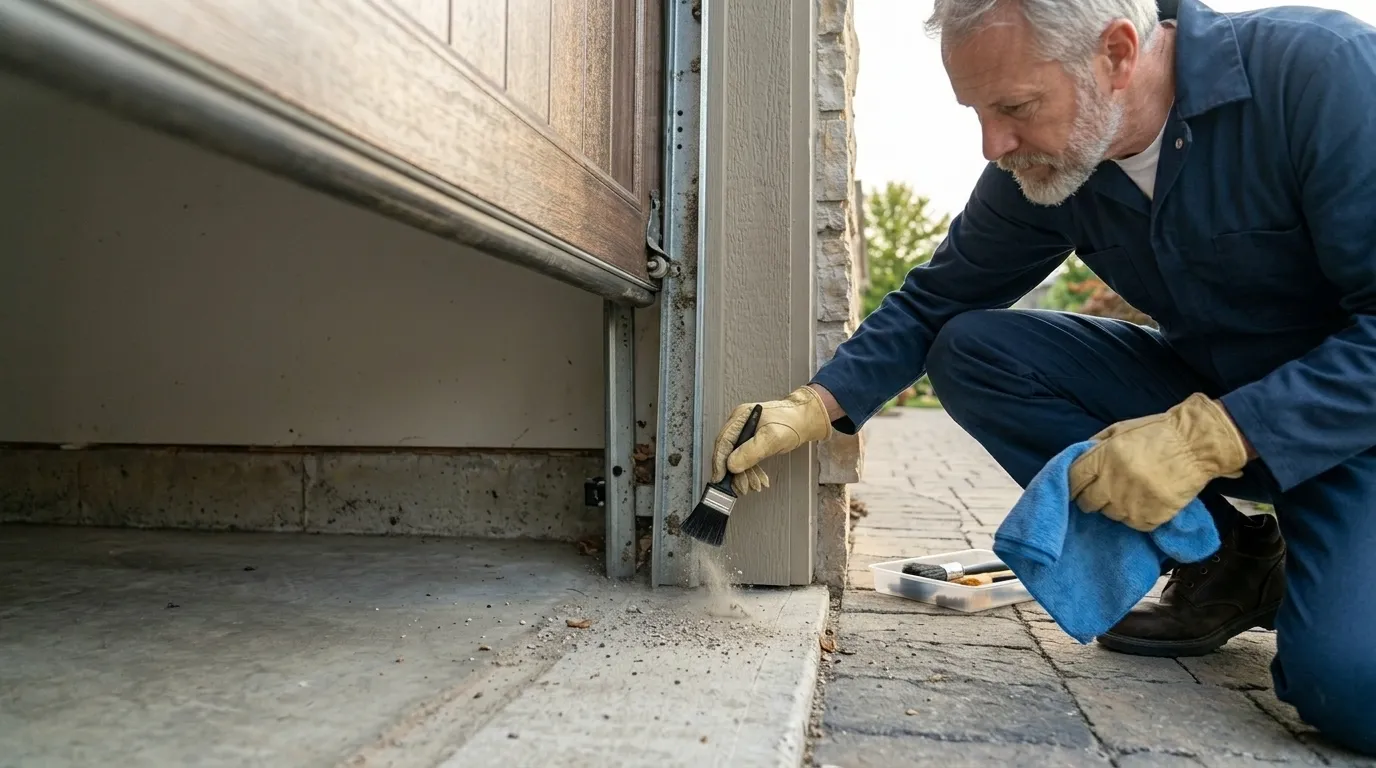
We don't have a flat number to hand you here, because what drives the bill on this job is whether your garage is attached or detached, and in Boston that split isn't random - it tracks the age of the house. Housing across this service area went up mostly between 1938 and 1985, median around 1960, and a detached single-bay garage tacked on behind a triple-decker in Dorchester or South Boston is a different animal than an attached bay poured into a Charlestown or West End rowhouse built with no setback to spare. Detached structures often need the door itself, the track, and sometimes the header replaced together, because the wood framing has moved independently of the house for sixty-plus years.
Attached garages usually need less structural work but more attention to the seal between the door and the shared wall, since that wall is heated space on the other side. We price the job after we see which one you've got - a phone estimate on this one is a guess, and we'd rather not guess.
One honest limit: if the detached garage's slab has heaved enough that the frame is racked, a new door won't fix that on its own. That's a foundation conversation, not a door conversation, and we'll tell you so before we sell you hardware.
When to Get Help
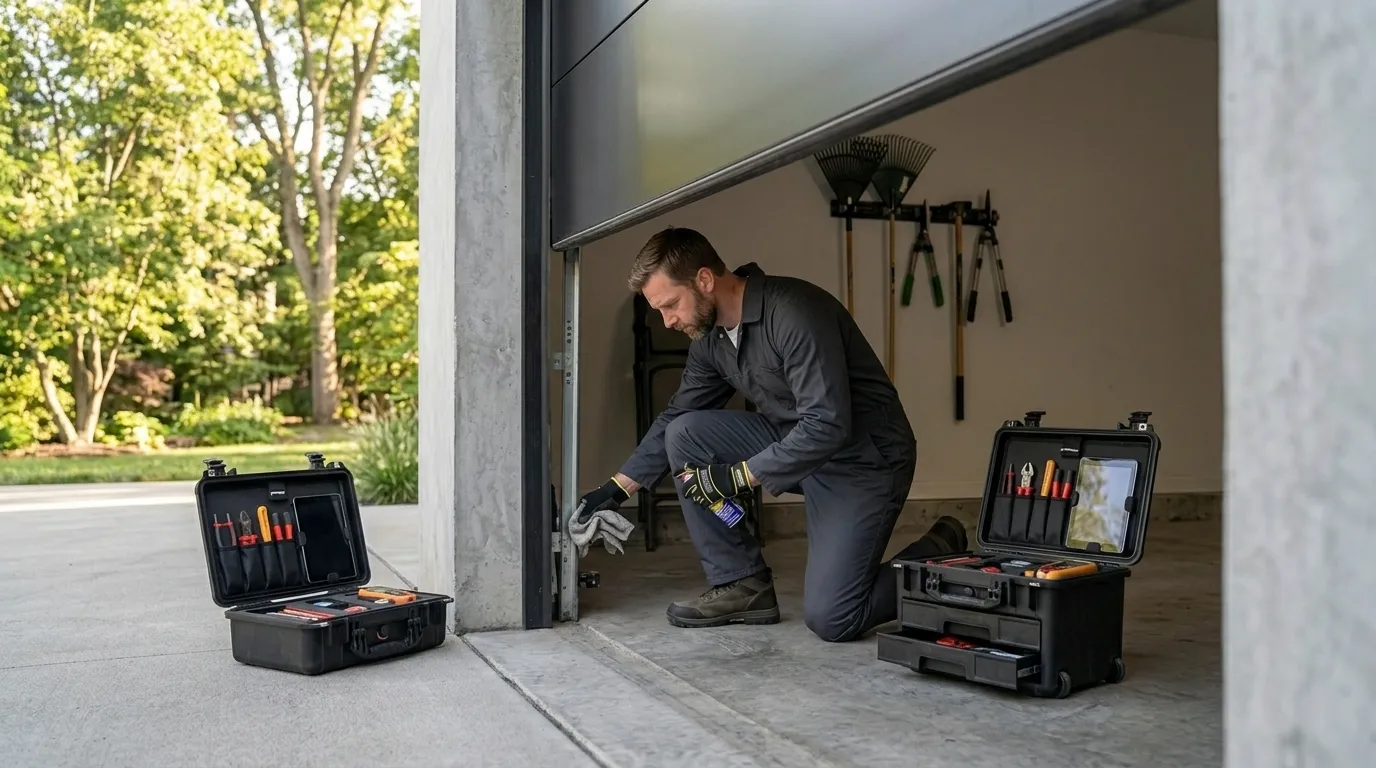
Call before the door fails all the way, not after. If you've got a detached garage from the 1938-1985 building wave and the door drags or binds on one side more in January than in July, that's the frame moving with frost, not the opener losing strength - worth a look before a cable snaps under the added strain. If you've got an attached garage and you can feel cold air coming through around the door on a below-freezing night, that's a seal problem sharing a wall with your living space, and it's worth fixing before a pipe on the other side of that wall feels it too.
Get help right away, no waiting, if a spring has let go on either type - that's the one place a Saturday project turns into an ER visit. And if you're not sure whether your garage is attached or detached in the way that matters structurally (some Boston additions blur the line), that's a five-minute question for us on-site rather than something to sort out over the phone.
The Situation
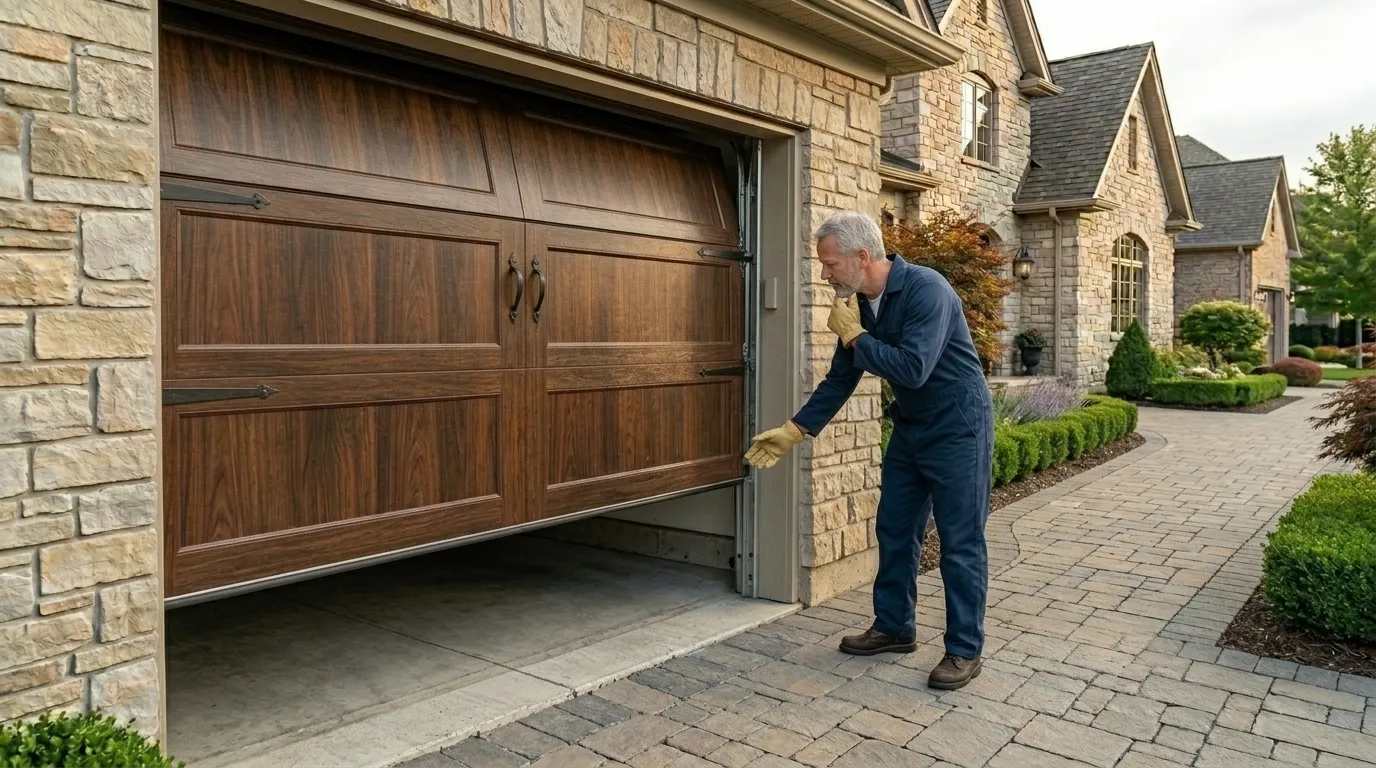
Across the neighborhoods we cover - South Boston, Charlestown, East Boston, Dorchester, the South End, and out through Somerville, Cambridge, Chelsea, and the rest of the service area - the housing is mostly 1960s and 70s vintage, sitting on a broader stock built between 1938 and 1985. That era shapes which garage type you've got.
In the denser, older sections close to downtown, garages tend to be attached or built into the ground floor because lots never had room for a separate structure. Farther out - Milton, Canton, Dedham, Melrose - detached single or two-car garages behind the house are more common, often added a decade or two after the house itself.
The practical difference: an attached garage door failure affects a wall of your house. A detached garage door failure affects a structure that stands on its own footing, settling and shifting on its own schedule, independent of the house next to it. We work on both, but we size up the job differently depending on which one we're looking at, because the failure points aren't the same.
What the Weather Here Does to It
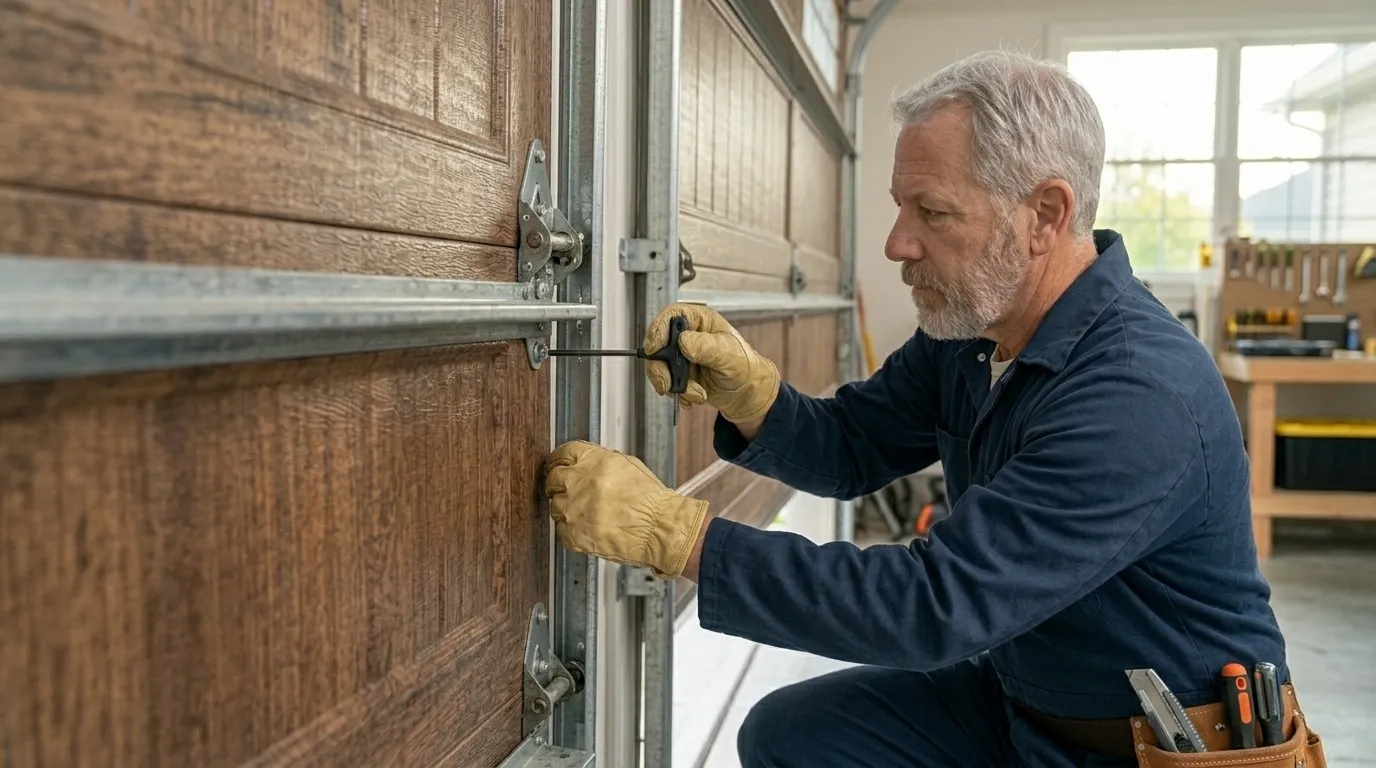
This is a cold-severe climate zone, and that cuts differently depending on which kind of garage you own. On a detached garage, the slab has no heat source under it at all - it's exposed on every side to ground freeze, and in houses from the 1938-1985 wave, that slab was often poured without the frost depth we'd spec today. When it heaves unevenly, the door frame racks slightly, and a door that swung free in October starts binding in February.
On an attached garage, the shared wall with the house means one side of that structure stays warm all winter while the door and the outer walls don't. That temperature gap is exactly where condensation forms on the inside of the door and on any metal hardware, which is what corrodes rollers and hinges faster here than it would in a milder band. Neither problem is dramatic on its own, but both compound year over year if nobody's checking the seal and the track alignment before winter sets in.
How We Can Help
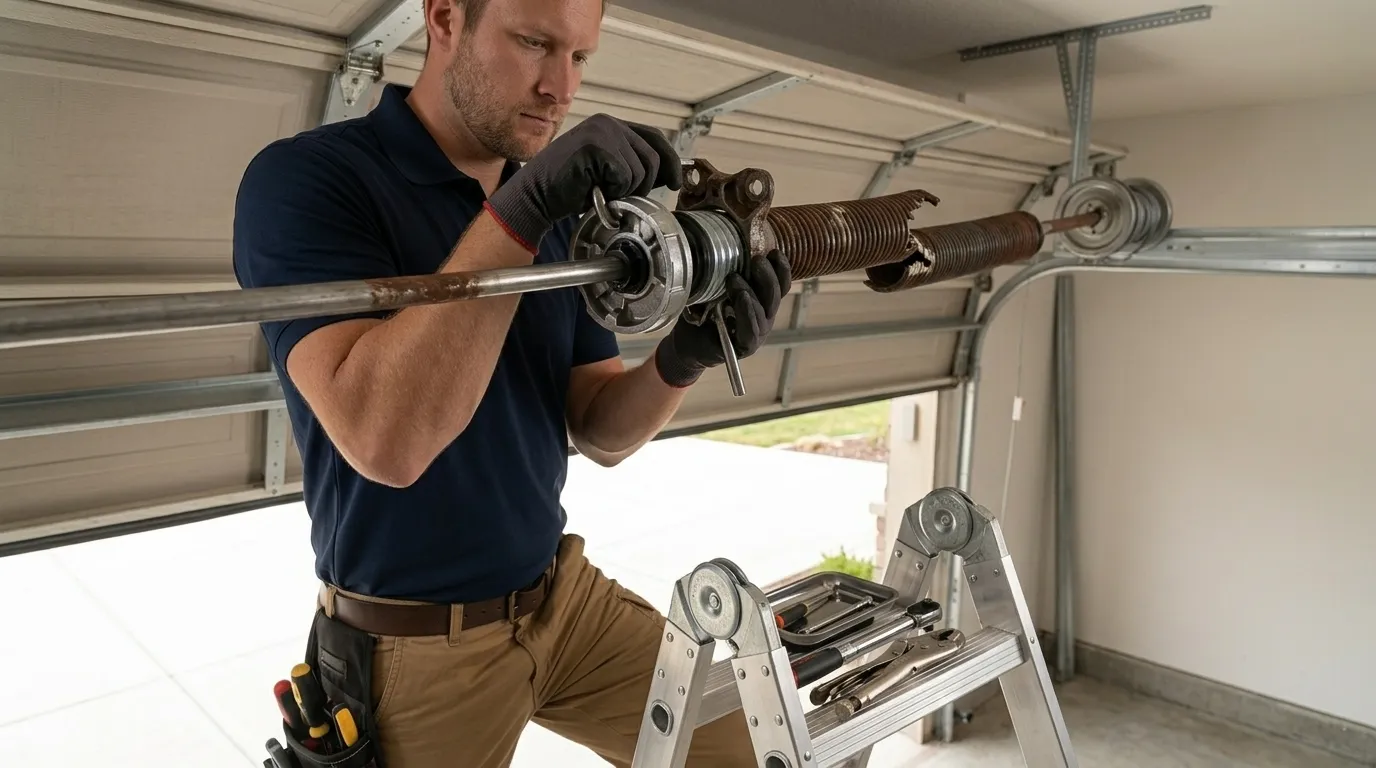
Garage Door Repair
Springs, cables, tracks, rollers, and openers fixed by a tech who explains the problem before touching anything.
Learn more →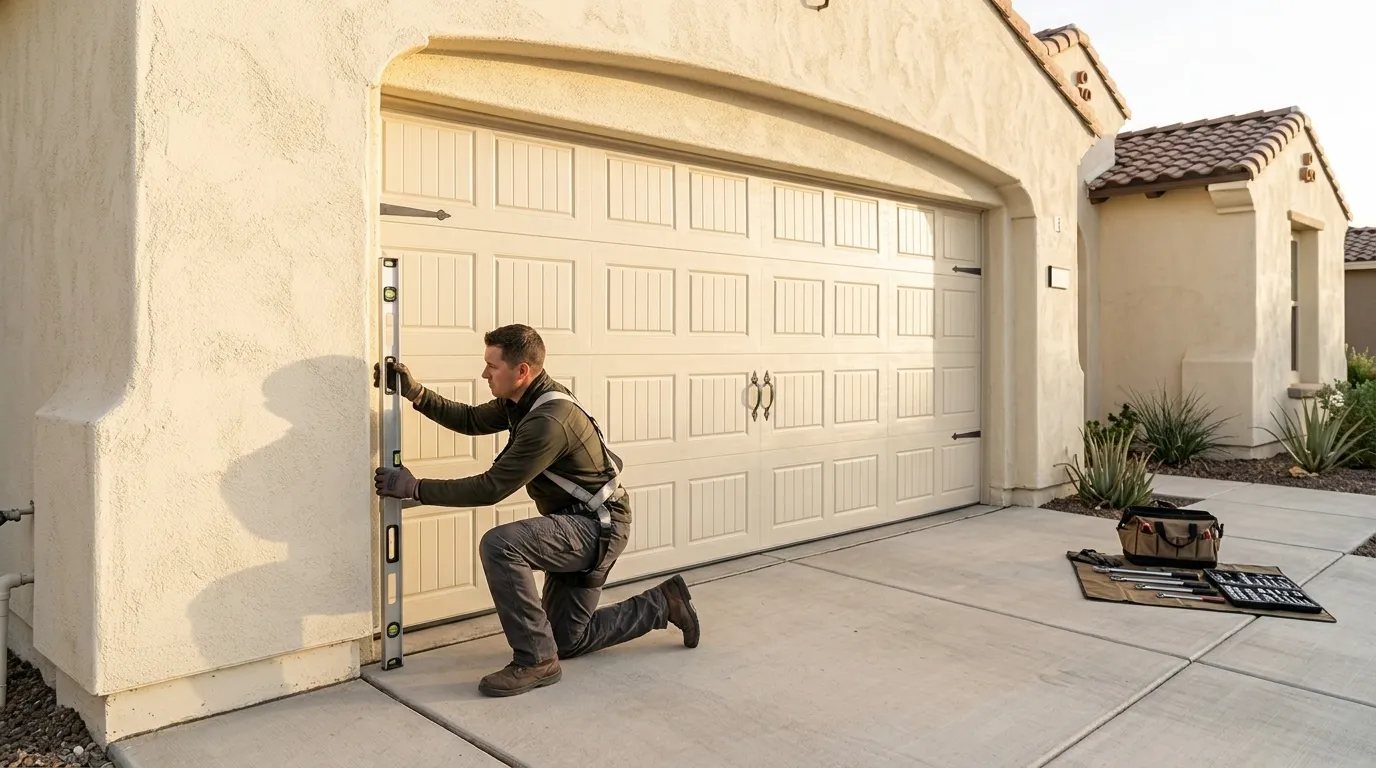
Garage Door Installation
New sectional doors sized and installed for the housing stock actually built in this area.
Learn more →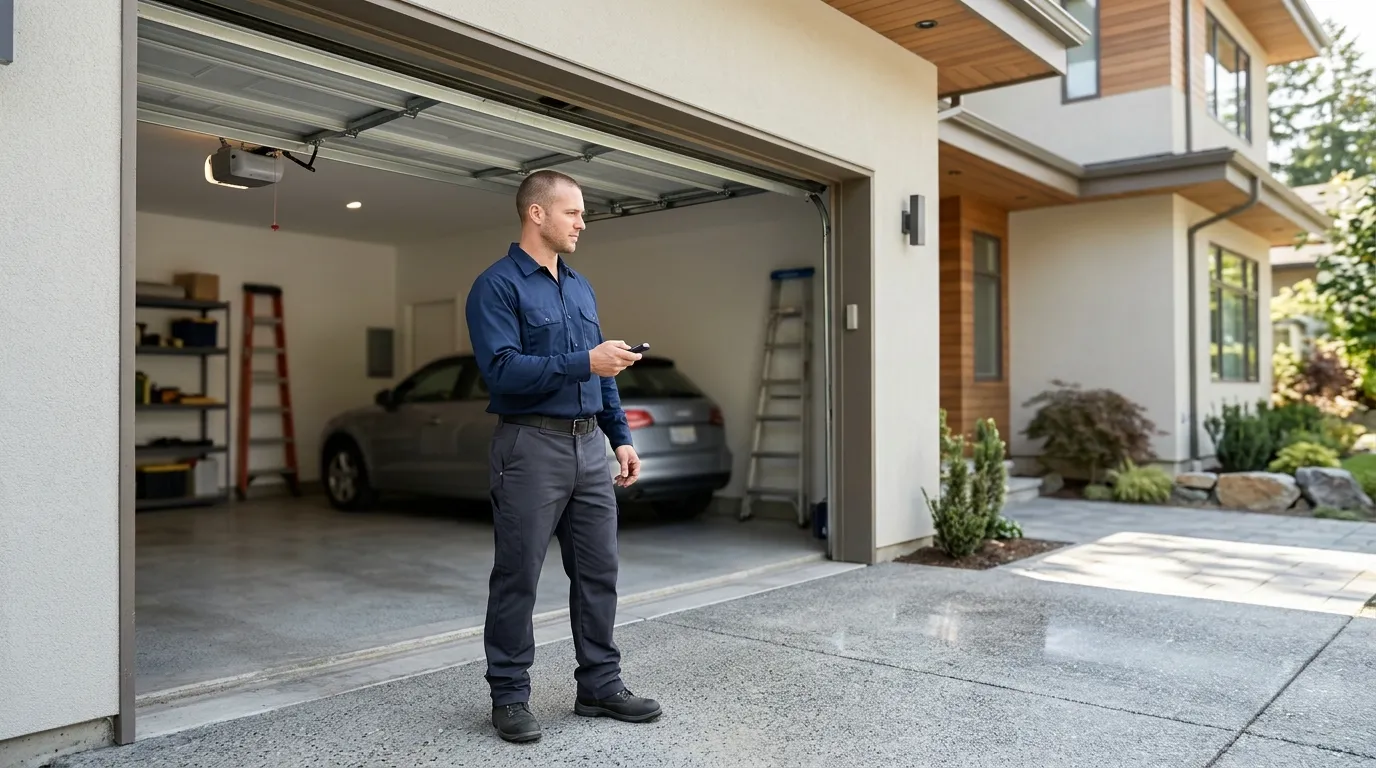
Garage Door Service
Tune-ups, lubrication, and safety checks that catch a small problem before it becomes a service call.
Learn more →Frequently Asked Questions
Is a detached garage door more expensive to fix than an attached one in Boston?
Not automatically - it depends on the frame. Detached garages from the 1938-1985 building era in this area often have foundations that shifted over decades, so the frame or header needs work alongside the door. Attached garages usually keep truer frames but need closer attention to the seal against the house wall. We quote after seeing which one you have.
Why does my detached garage door bind more in winter?
This region sits in a cold-severe climate band, and a detached garage's slab has no heat under it. Ground freeze can shift the slab unevenly, which racks the frame just enough to make the door drag on one side. It's frame movement, not opener wear, and it tends to show up worse each winter if the frame isn't reset.
Do older Boston garages need a fire-rated door if they're attached to the house?
Some do, depending on when the attached garage was built relative to code updates. A lot of the region's stock dates to the 1960s and 70s, before some current fire-separation requirements existed. We can tell you what your specific setup calls for once we're on site - it's not something we'll guess at over the phone.
Have a Door That Needs a Second Opinion?
Call and describe what it is doing - we will tell you what it likely is.