
Boston Garage Door Guide
What Actually Happens During a Garage Door Service Call in Boston
A real look at what a Boston garage door service call includes, priced against 1960s housing stock and a cold, harsh winter climate - not a generic checklist.
- Licensed & Insured
- Same-Area Service Calls
- Upfront Pricing
The Cost of This Job
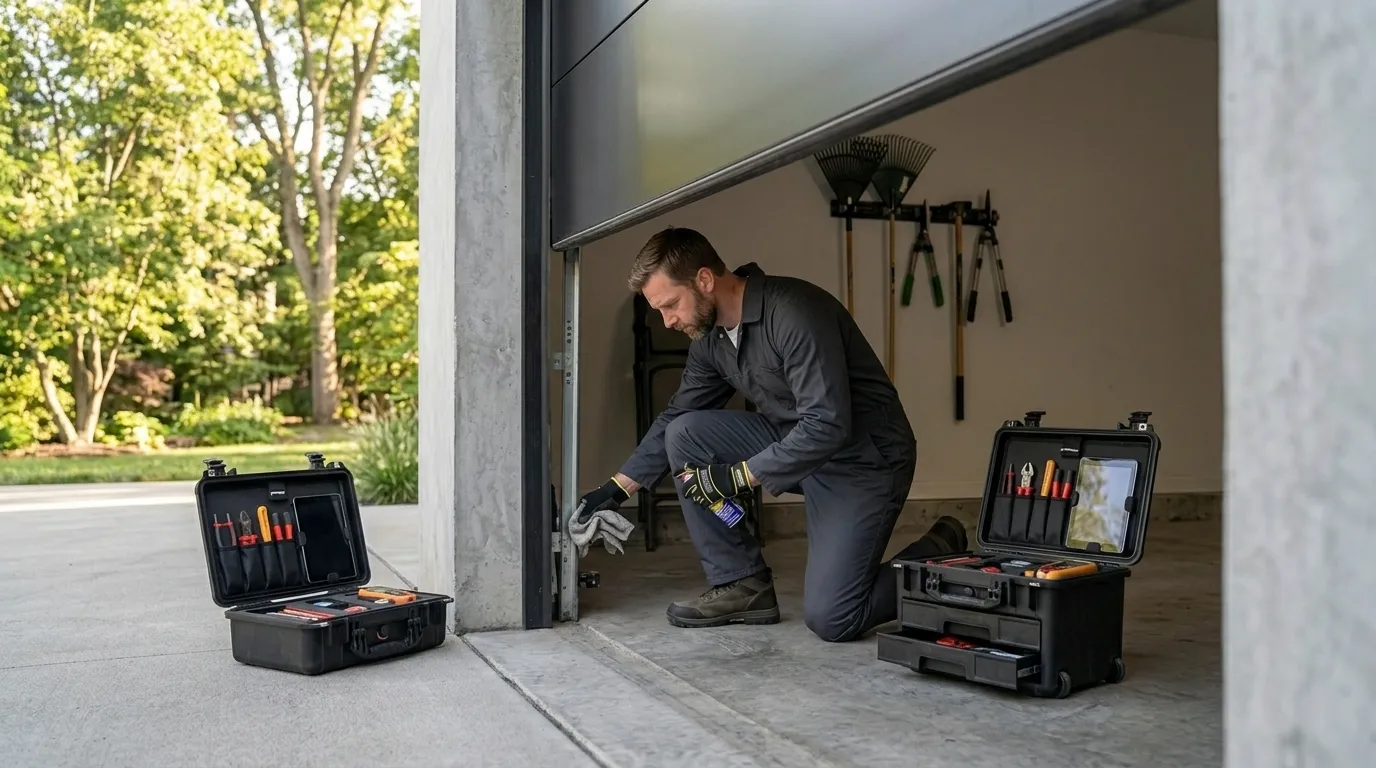
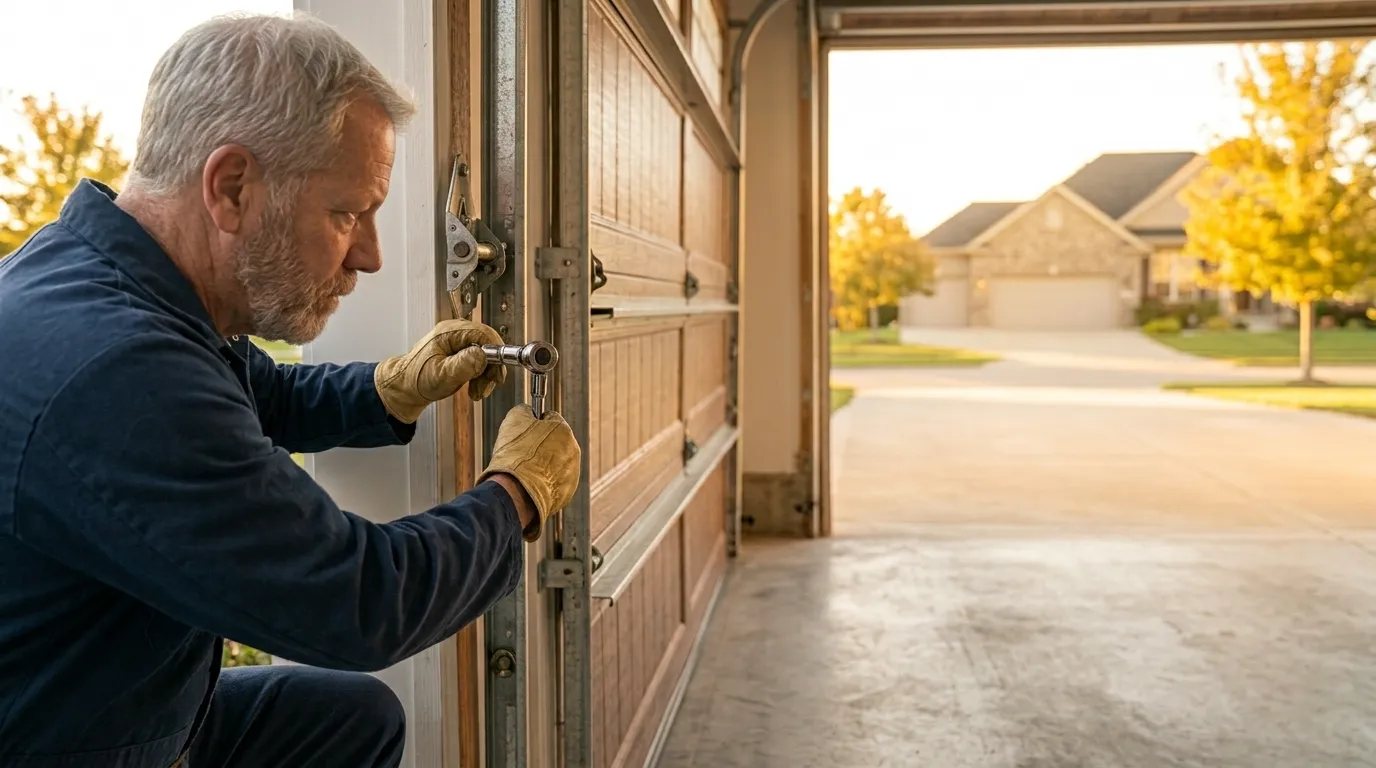
We don't quote a flat number over the phone, and if a company tells you a price before anyone's looked at the spring, the track, and the header above your door, be skeptical. Most houses in the service area here went up between 1938 and 1985, with the median build year sitting around 1960, so a lot of doors and openers are original to houses that age. That matters for cost because older torsion springs were wound for panel weights and door widths that current manufacturers don't stock as standard parts - sometimes we're matching hardware, not just swapping a spring off a shelf.
A call where we replace a single torsion spring on a door from that era costs less than one where the drum, the cable, and the bearing plate all went at once because nobody serviced the system in years. The honest limitation: we can't tell you which job you've got until a tech has the door open. What we can tell you is that houses built before the 1970s in this area usually need the tech to check whether the spring is even sized correctly for the door, since a lot of them were swapped once already with the wrong part.
When to Get Help
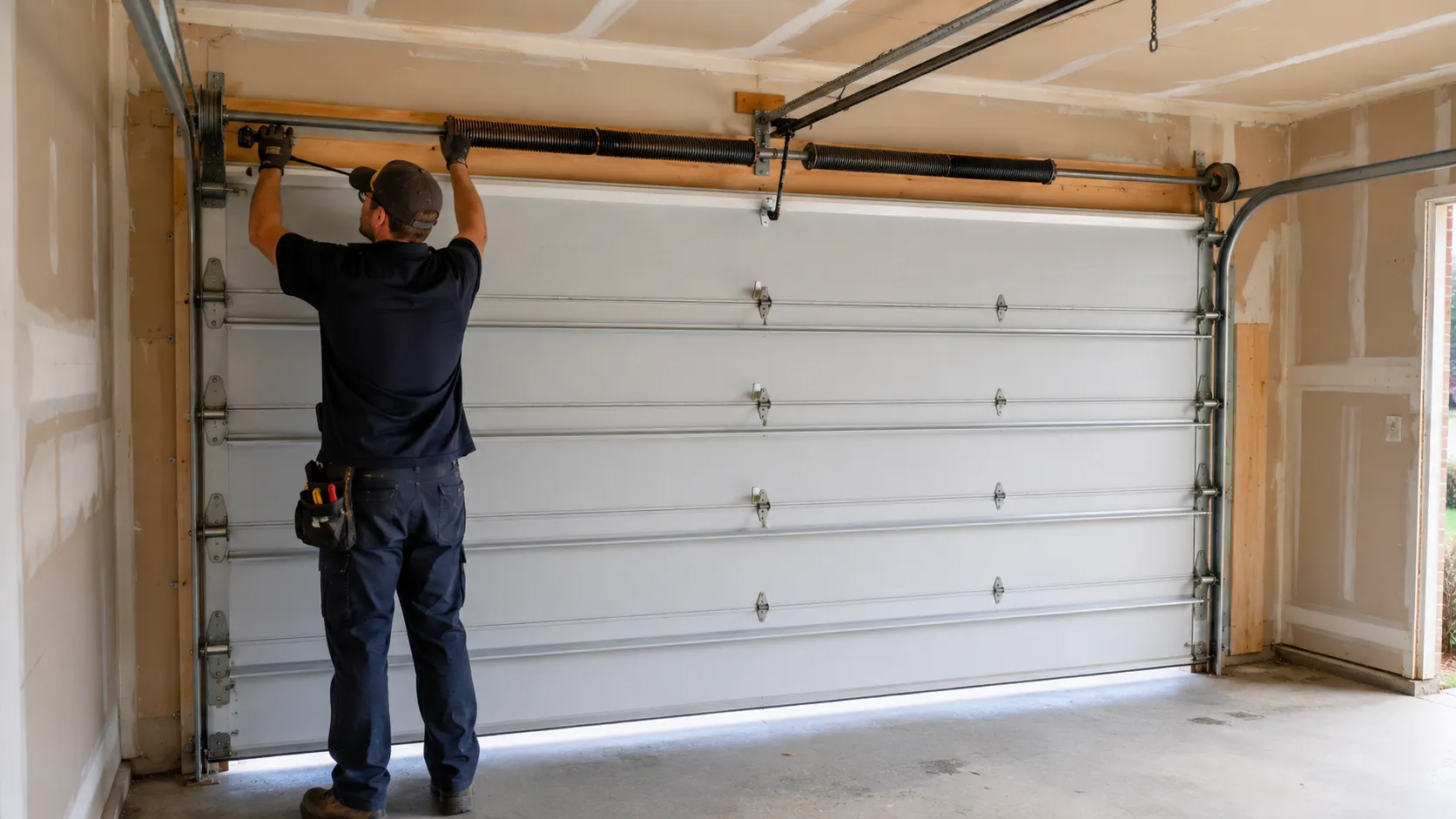
Call before the door comes all the way off the track, not after. A door that's suddenly heavy to lift by hand, that slams the last foot instead of settling, or that makes a bang followed by the door refusing to open - that's a broken torsion spring, and it's not a DIY fix given the tension involved. A door that shudders or walks sideways in the track usually means a roller or cable issue, and it gets worse with every cycle if you keep using the opener.
If your opener runs but the door doesn't move, check the manual release cord before you call anyone - it's a two-minute fix if that's all it is. Grinding or a door that reverses partway up on its own points to a sensor or track alignment problem. None of these get better by waiting, and a stuck door in a house from the 1960s or 70s stock common across this area often means original hardware finally giving out after decades of use.
If the door is more than a couple of decades past its opener's expected life, sometimes replacement is the better call than another repair - we'll say so if that's the case.
The Situation
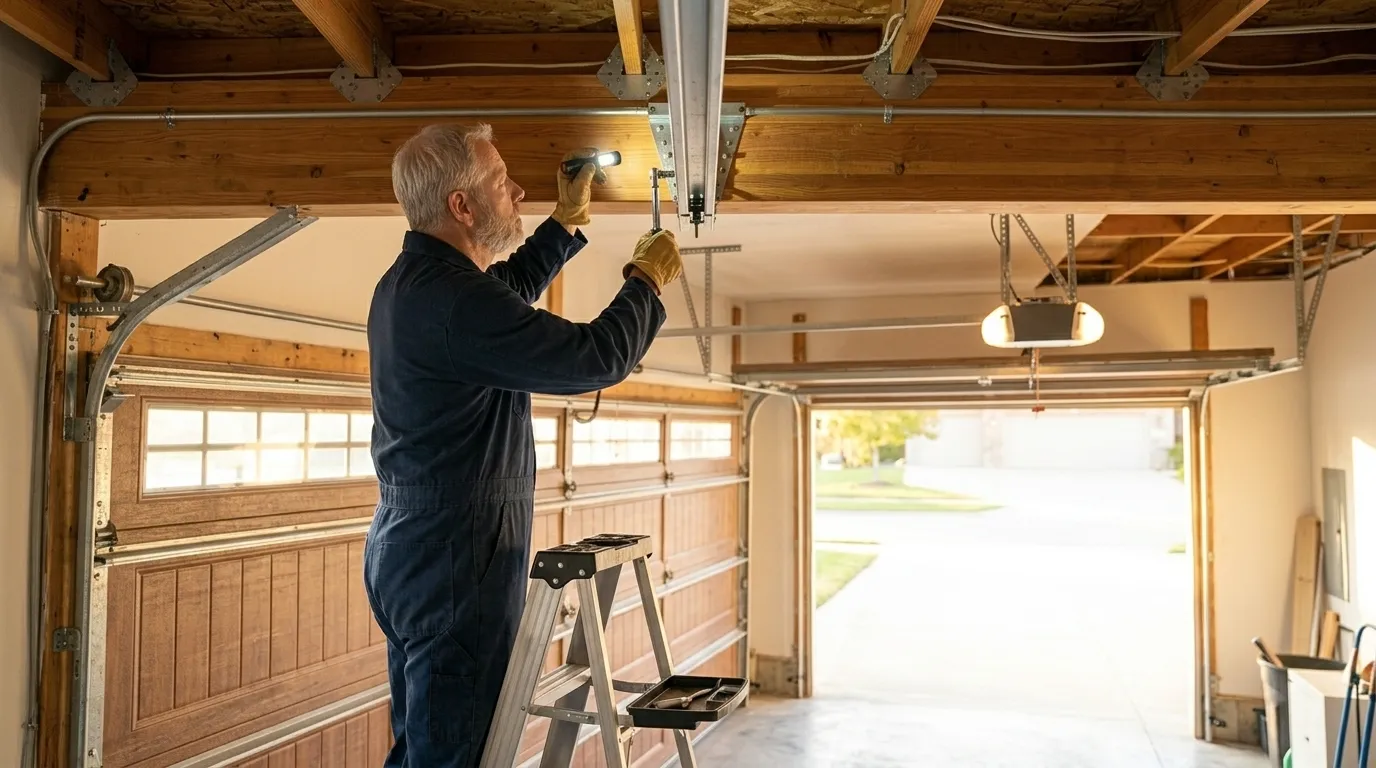
Across the 66 named areas we cover - from South Boston a mile west of downtown out to places like Dedham, Canton, and Lynnfield ten to fourteen miles out - the housing leans hard into 1960s and '70s construction. That means steel doors and torsion springs sized for panel weights that haven't been made the same way in decades, paired with openers that have been replaced once or twice but garage structures that haven't changed. Lot sizes are tight in the closer-in neighborhoods like Jeffries Point and Charlestown, which means single-car garages with headroom clearances that limit which opener and spring configuration will actually fit.
Farther out toward Hingham or Cohasset at ten to twelve miles, you see more detached two-car garages, but the build era is largely the same. A service call in this area is rarely a simple lube-and-adjust; it's usually diagnosing which decade's hardware you're dealing with and whether it's worth matching or replacing outright.
What the Weather Here Does to It
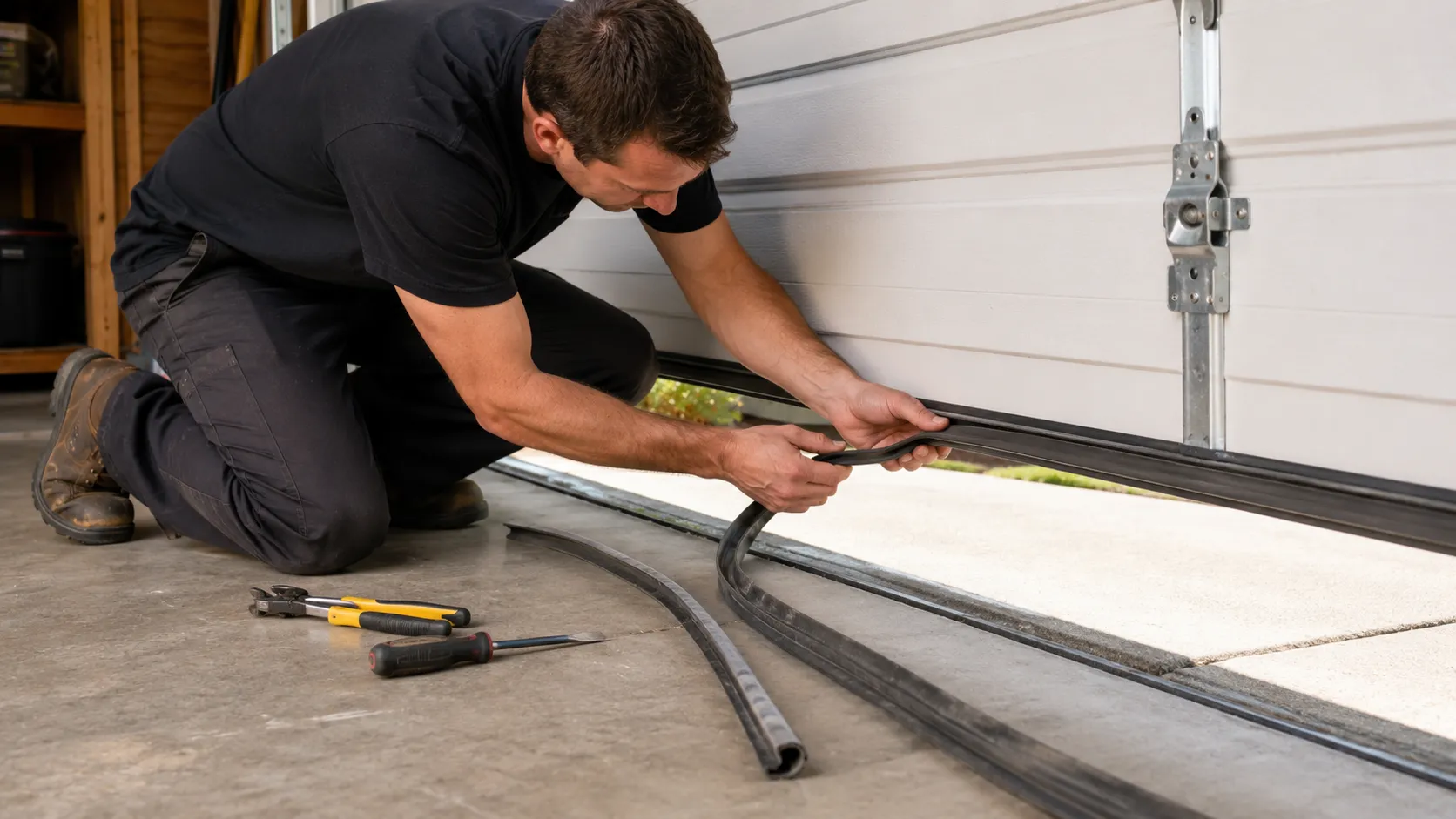
Boston sits in a cold-climate band with severe winters, and that's what kills torsion springs here faster than in a milder climate - steel contracts in the cold, and a spring already fatigued from age snaps on the first single-digit morning, not gradually. Between the frost heave under older slab foundations common in the 1960s housing stock and repeated freeze-thaw cycles each winter, tracks that were plumb in October are out of alignment by February. Weatherstripping on doors from that era was rarely replaced on schedule, so cold air finds its way in around the bottom seal and the door works harder against a stiffer, colder track.
If you're in South Boston, a mile from downtown, or out toward Dedham at ten miles, the freeze-thaw cycle hits the same hardware the same way regardless of distance from the harbor. We see the spike in emergency calls every January, and it's almost always the same part failing for the same reason: cold steel, old spring, one more cycle it couldn't take.
How We Can Help
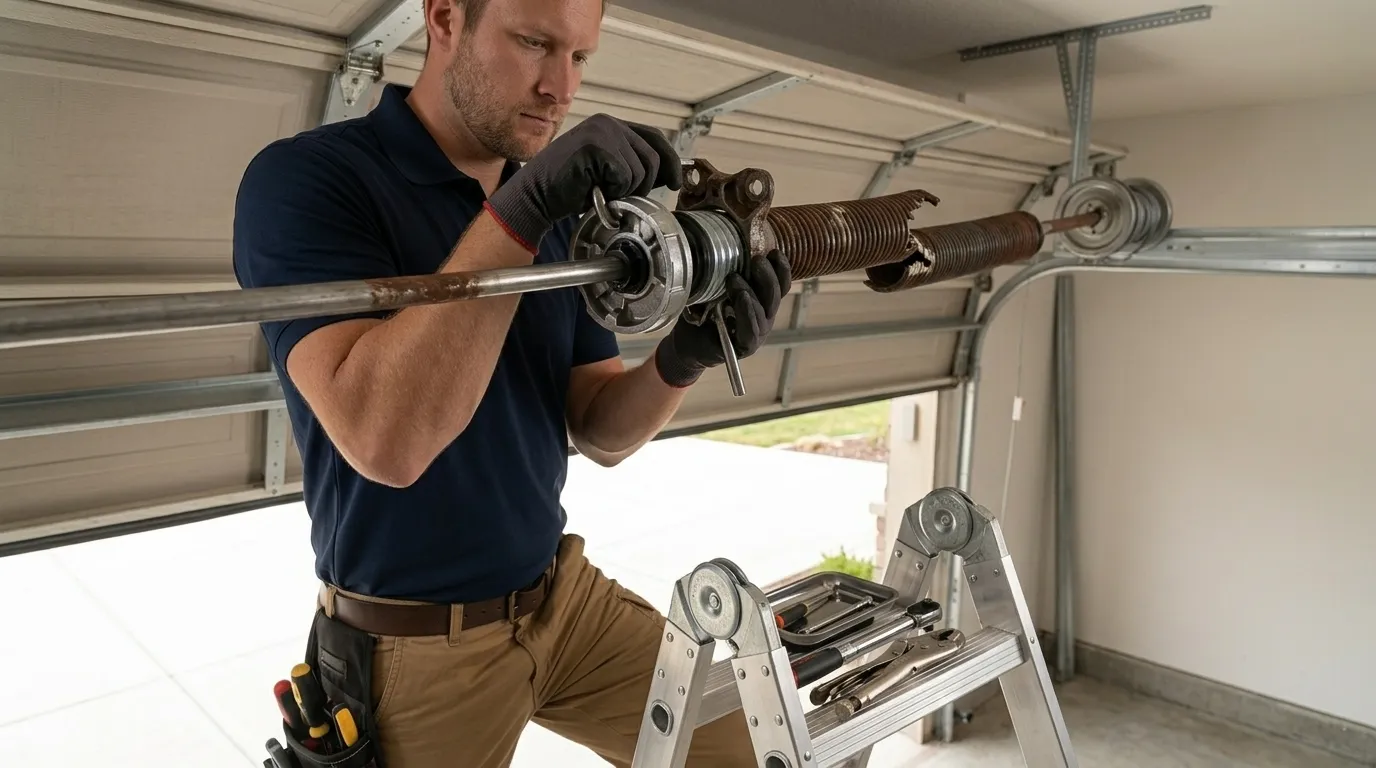
Garage Door Repair
Springs, cables, tracks, rollers, and openers fixed by a tech who explains the problem before touching anything.
Learn more →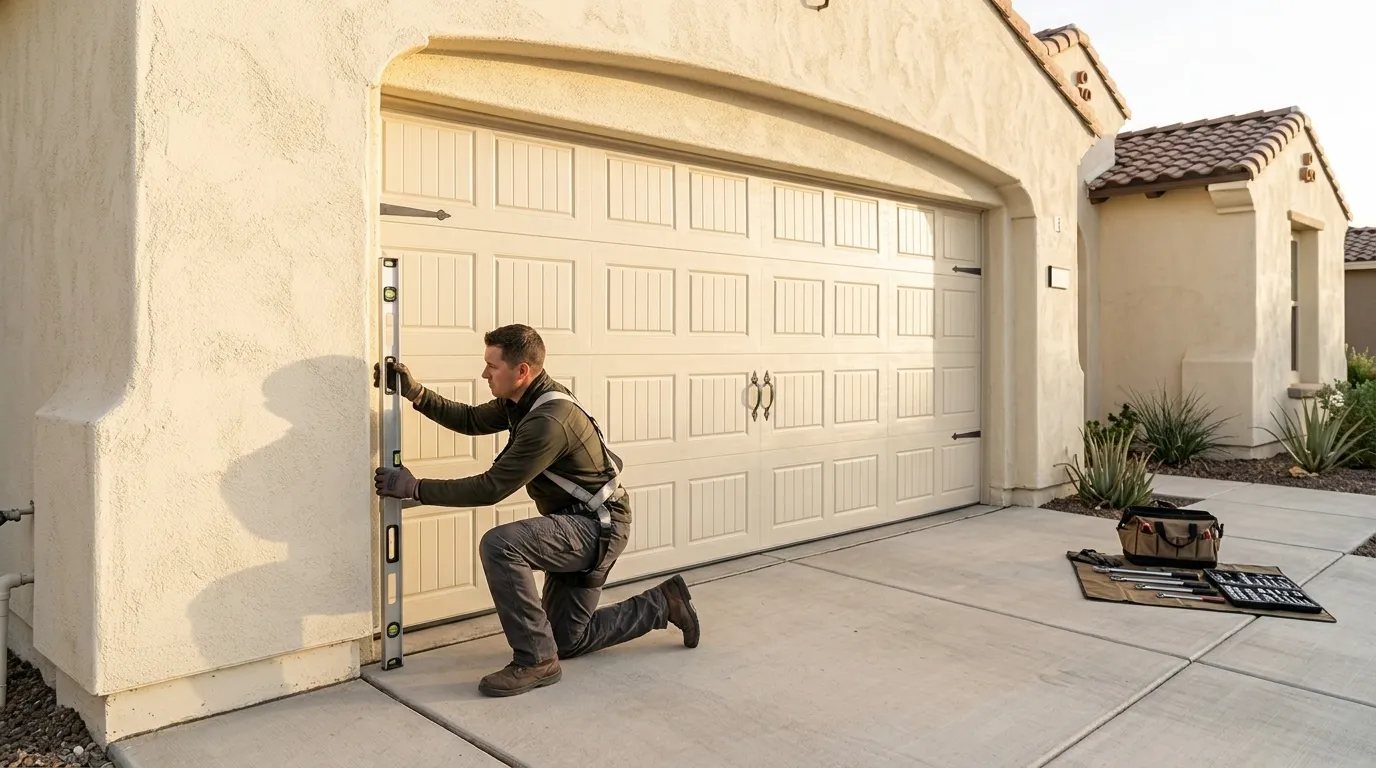
Garage Door Installation
New sectional doors sized and installed for the housing stock actually built in this area.
Learn more →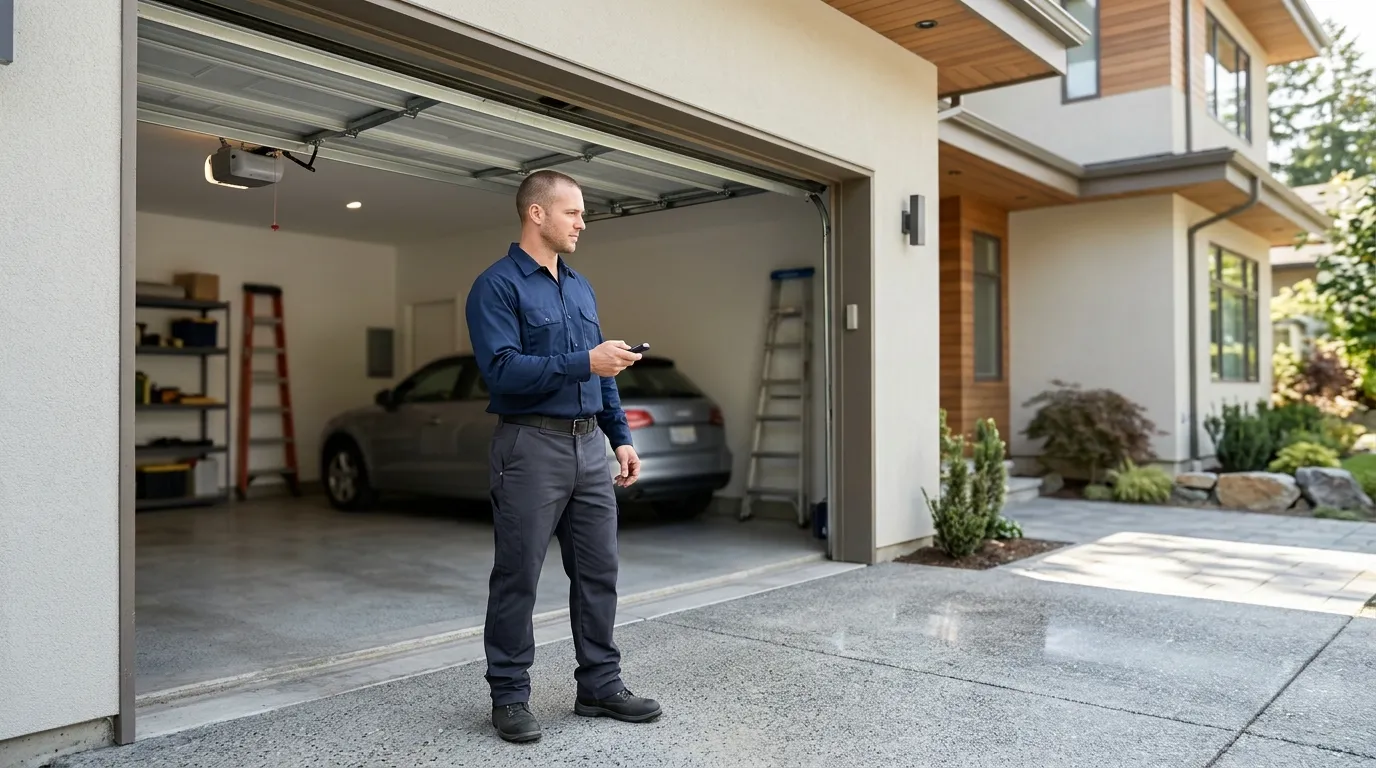
Garage Door Service
Tune-ups, lubrication, and safety checks that catch a small problem before it becomes a service call.
Learn more →Frequently Asked Questions
Why did my garage door spring break in the middle of winter?
Cold steel loses flexibility, and a torsion spring that's already near the end of its cycle life snaps under that stiffness rather than wearing down gradually. Boston's severe winter climate means this happens here more often, and more suddenly, than it would in a milder area - most of our spring calls cluster in the coldest months.
My house was built in the 1960s - does that affect the repair?
Often, yes. A lot of the housing stock in this area dates to that period, and original doors or openers from then use hardware sizes and spring specs that current manufacturers don't always stock as standard. Sometimes we can match it, sometimes replacement parts mean upgrading the whole assembly.
Can you give me a price over the phone?
Not a firm one. Cost depends on what's actually failed - a single spring is a different job than a spring plus cable plus bearing plate. We look at the door before quoting, because guessing on hardware this old usually means guessing wrong.
Is it ever not worth repairing an old door?
Sometimes. If the opener and the door hardware are both original to a house from the 1960s or 70s and multiple parts are failing at once, replacement can cost less over time than repeated repairs. We'll tell you if that's where your door is, rather than stacking repairs on it.
Have a Door That Needs a Second Opinion?
Call and describe what it is doing - we will tell you what it likely is.