
Boston Garage Door Guide
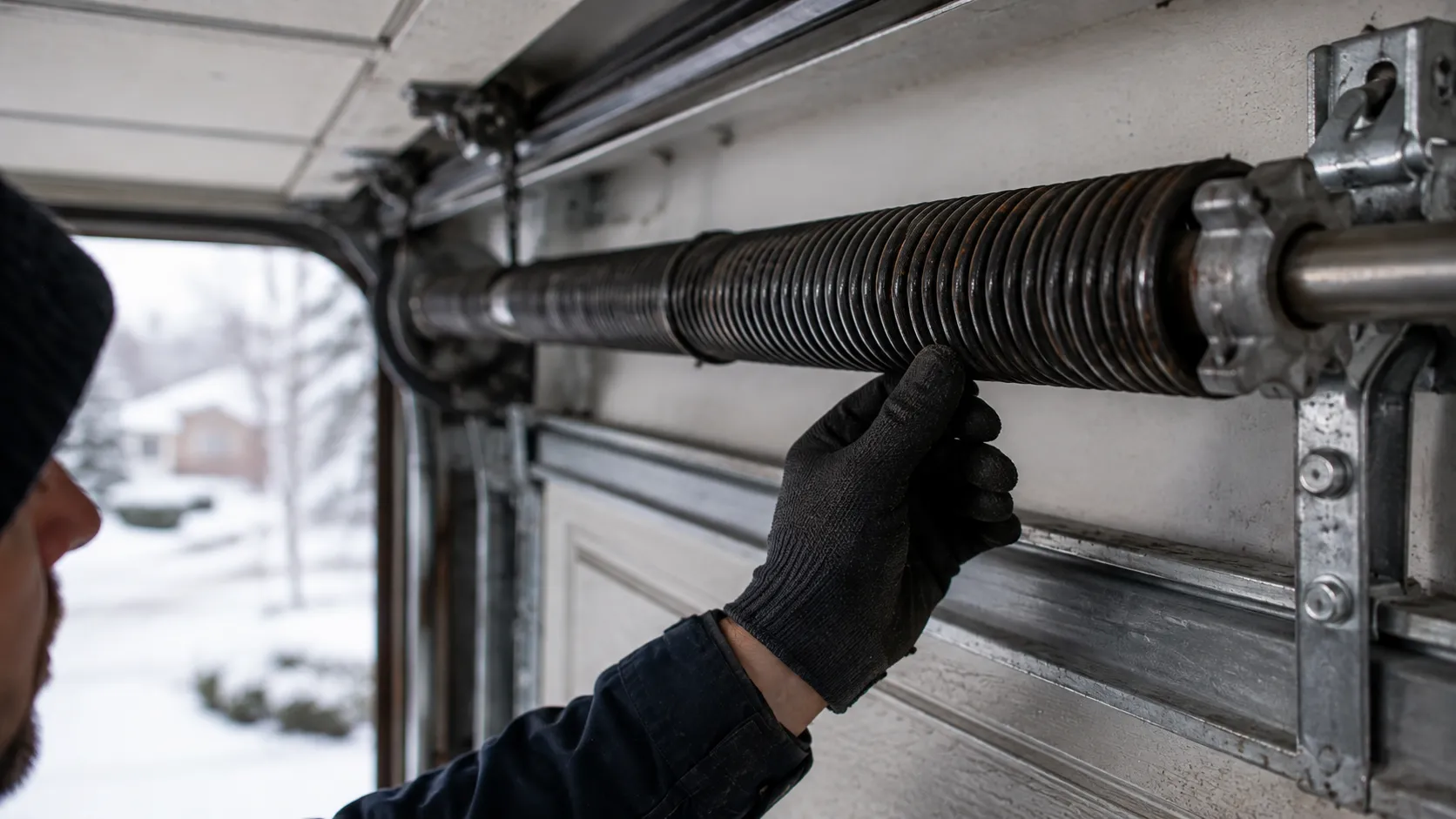
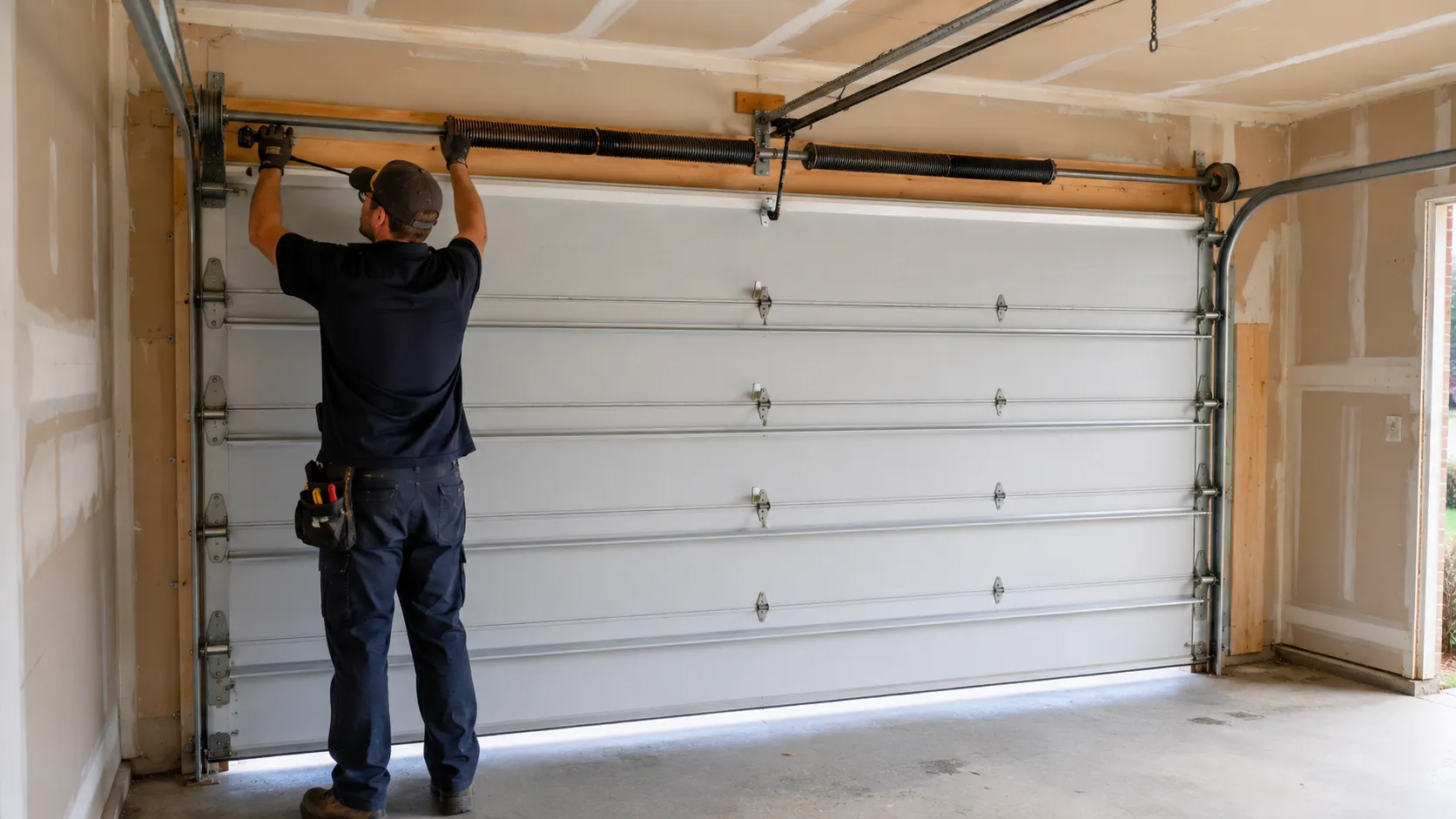
When a Spring Goes in Cold Weather
Boston homes built 1938-1985 have torsion springs that snap hard once temps drop. Here's what a cold-weather spring failure costs and looks like in this climate.
- Licensed & Insured
- Same-Area Service Calls
- Upfront Pricing
The Cost of This Job
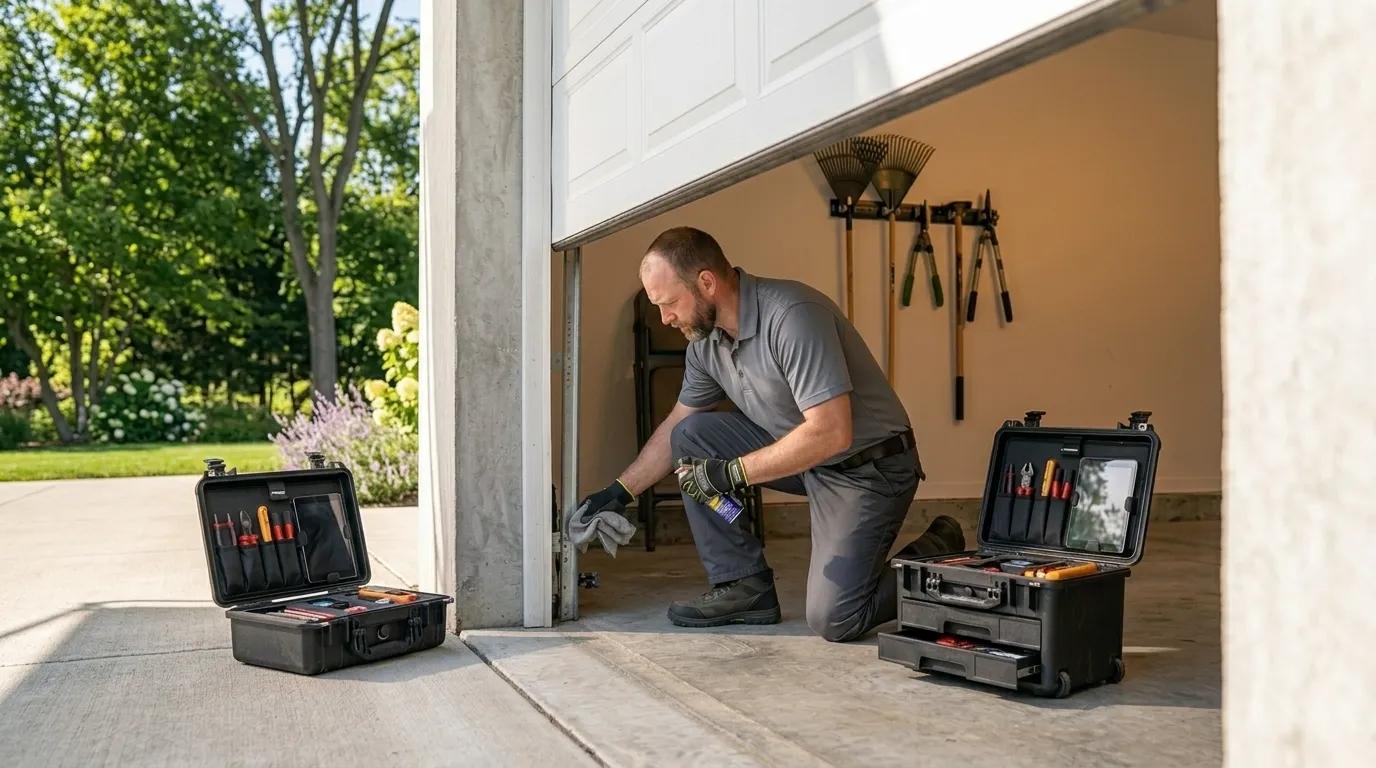
A torsion spring break is one of the most common cold-weather calls we get, and what it costs depends on what's actually on the door. Houses in this area went up mostly between 1938 and 1985, with a lot of the stock dating to the 1960s and 70s, which means original hardware sized for lighter doors that have since been swapped for heavier insulated ones. That mismatch matters: a spring rated for the old door works harder than it should on the new one, and it fails sooner.
We can't quote a number here without seeing the door, the spring size, and whether the drums or cables need replacing too - a single spring swap on a standard door is a different job than a double door with two springs and worn bearings. What we can tell you is that waiting rarely saves money. A spring that snaps under load can take a cable or a section of track with it, and that turns a spring job into a bigger one.
If your opener has been straining or making a grinding sound before the spring lets go, that's worth a call before it fails outright, not after.
When to Get Help
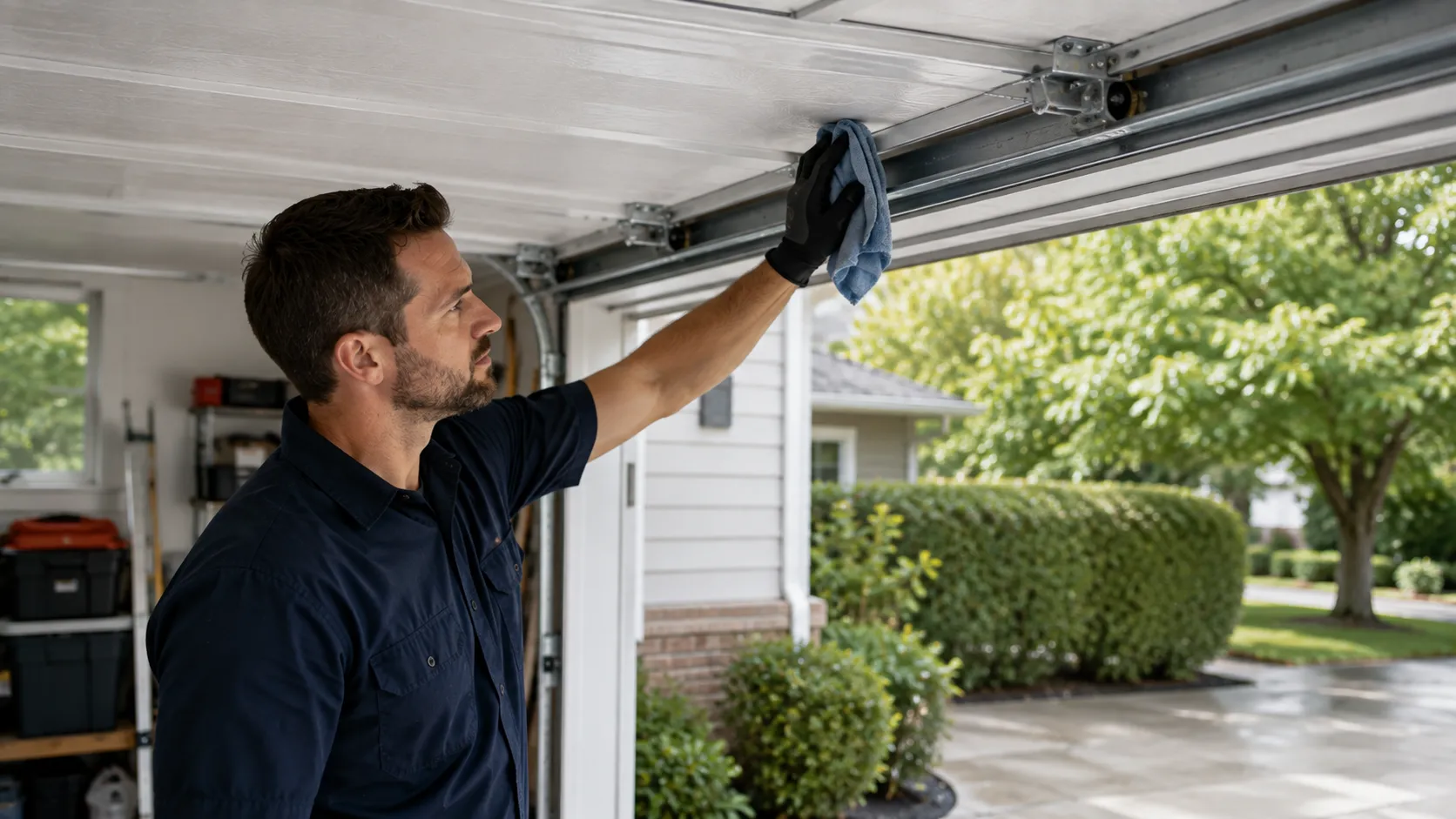
Call right away if the door won't budge, if you hear a loud bang from the garage, or if the door is hanging crooked on one side. A crooked door usually means one spring broke and the other is still under tension, which is not a safe DIY situation.
Homes in this service area - from South Boston out through the harbor neighborhoods - mostly still run torsion springs mounted above the door rather than newer setups, and that older hardware doesn't forgive a cold snap the way newer systems sometimes do. Don't try to lift a door manually once a spring has gone; the opener isn't built to carry that load and neither is your back.
If the door is moving slow, sagging slightly, or the opener strains but the door still closes, you have a little more time, but not much once temperatures drop hard. Get it looked at within a few days rather than waiting for it to fail on the coldest morning of the year, which is exactly when it usually does.
The Situation
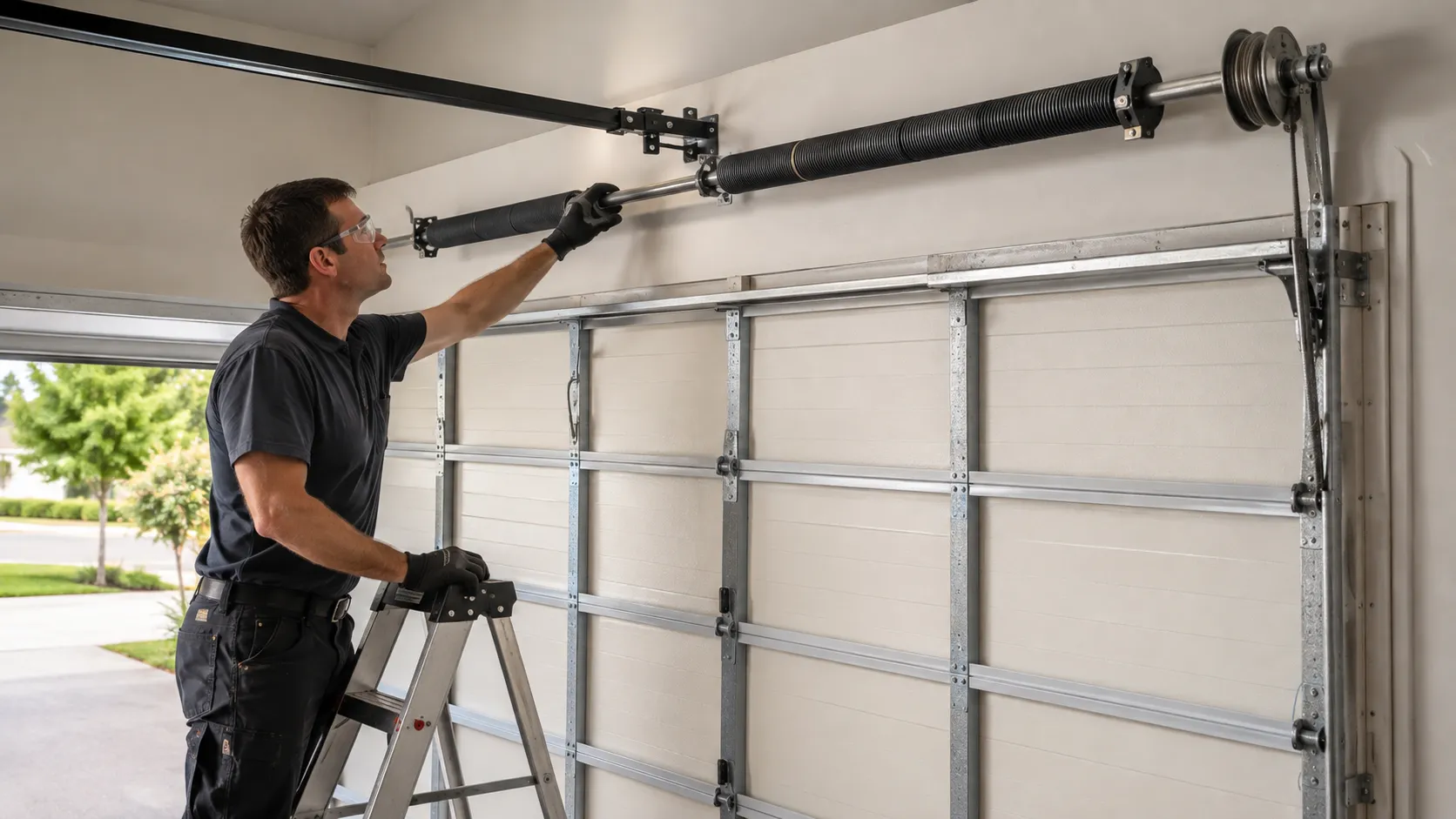
Most of the housing across this area - 241,531 owner-occupied houses among 740,033 households - was built in a window that runs from 1938 through 1985, with the median landing around 1960. That means a huge share of garage doors sitting on hardware that's decades past its expected service life, especially springs, which are rated in cycles and wear out from age and use even if nothing looks broken. With median household income here at $135,498, a lot of owners have already put money into finishing basements or upgrading openers, but the spring itself often gets ignored because it's the one part you can't see failing until it does.
This isn't a problem unique to one street or neighborhood. It shows up the same way from South End to Dorchester to the streets near Fenway - Kenmore, because the building era is what drives it, not the specific block.
What the Weather Here Does to It
This area sits in a severe cold climate band, and cold is hard on steel. Torsion springs lose flexibility as the metal contracts in low temperatures, and a spring that's already near the end of its cycle life is far more likely to snap on a 10-degree morning than in July. The metal gets brittle, the coil doesn't flex the way it should under load, and a spring that had another six months left in warmer weather can go without warning once real cold sets in.
We see the calls spike the same way every winter: a stretch of hard cold hits, and doors that were fine in the fall start failing. If your door is original to a house built in that 1938-1985 window and nobody's touched the spring, cold weather is when it's most likely to let go. There's no way to fully prevent a spring from breaking on its own schedule, but knowing your door's age and watching for the warning signs - slow travel, sagging, grinding - gives you a chance to replace it on your terms instead of on a Tuesday morning when you're stuck in the driveway.
How We Can Help
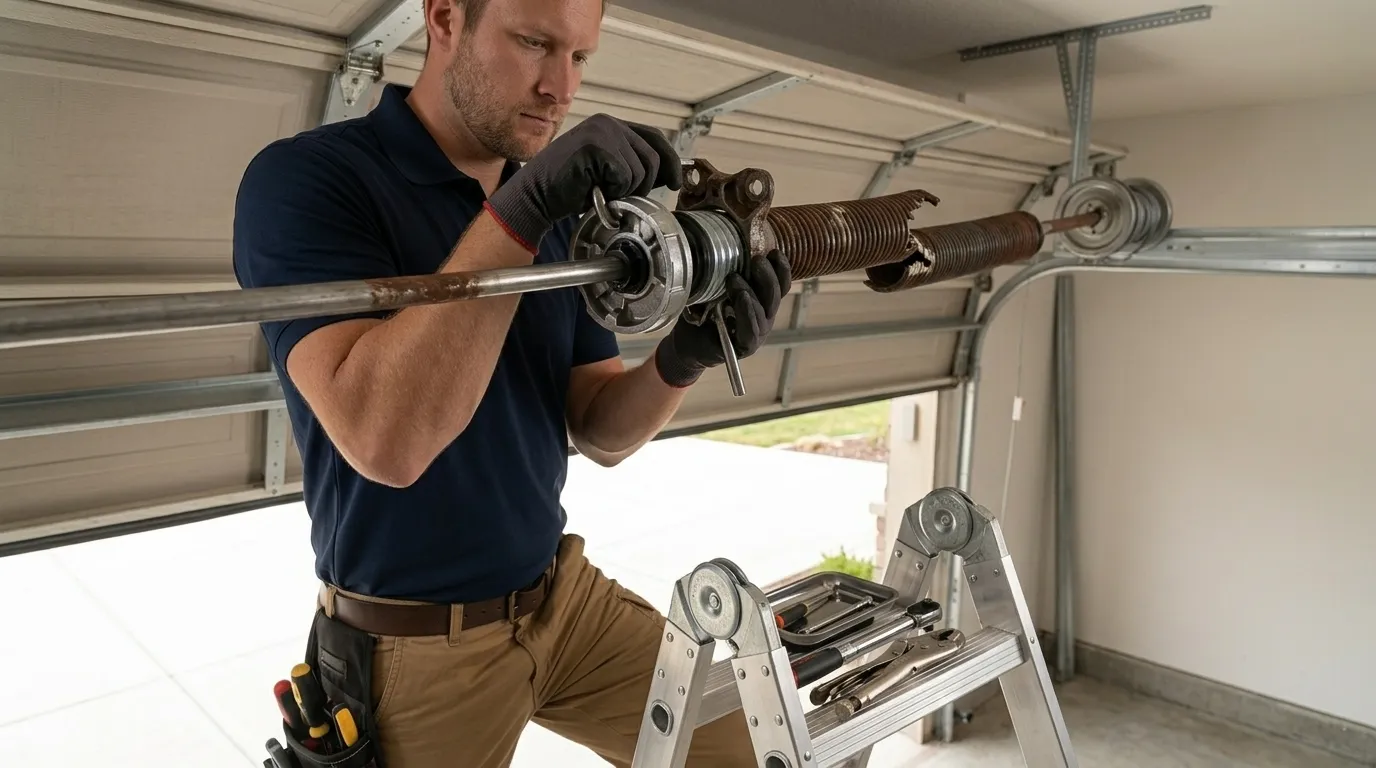
Garage Door Repair
Springs, cables, tracks, rollers, and openers fixed by a tech who explains the problem before touching anything.
Learn more →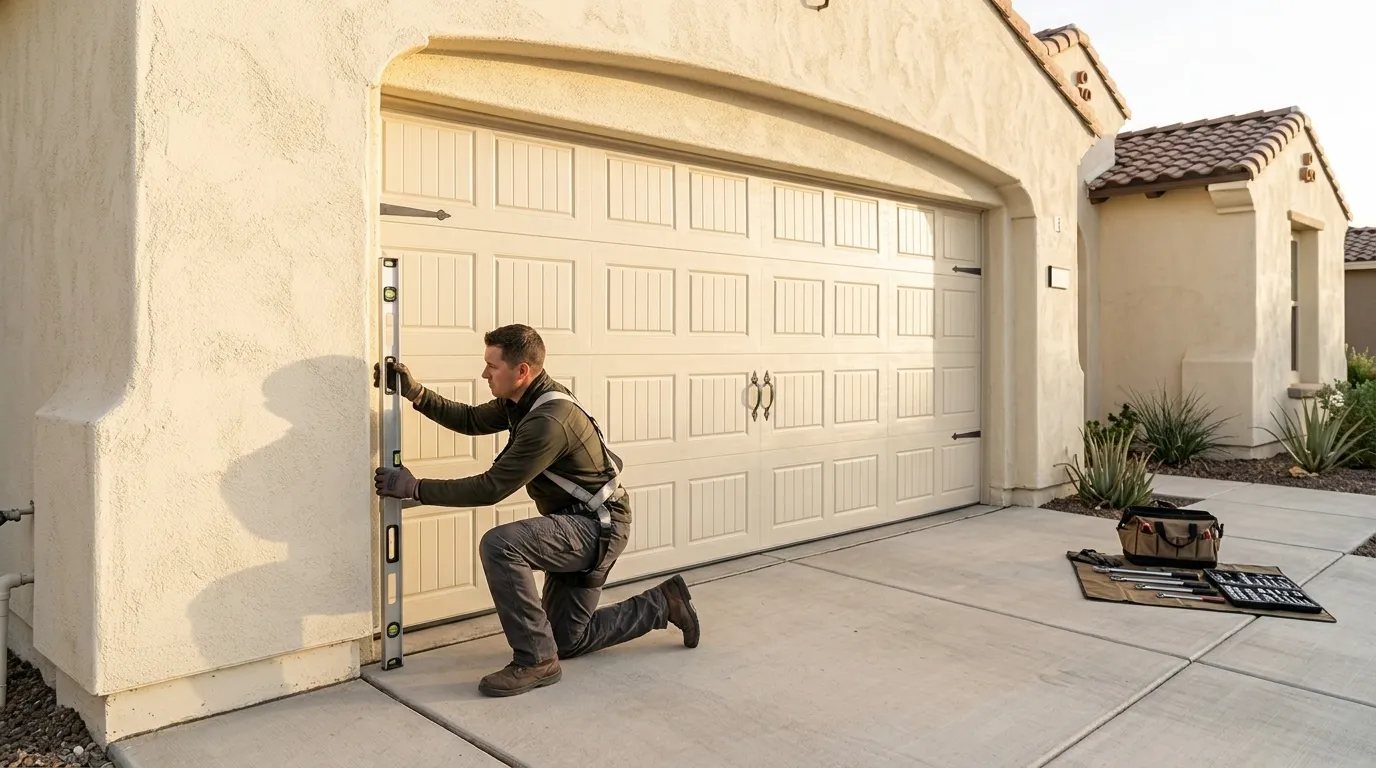
Garage Door Installation
New sectional doors sized and installed for the housing stock actually built in this area.
Learn more →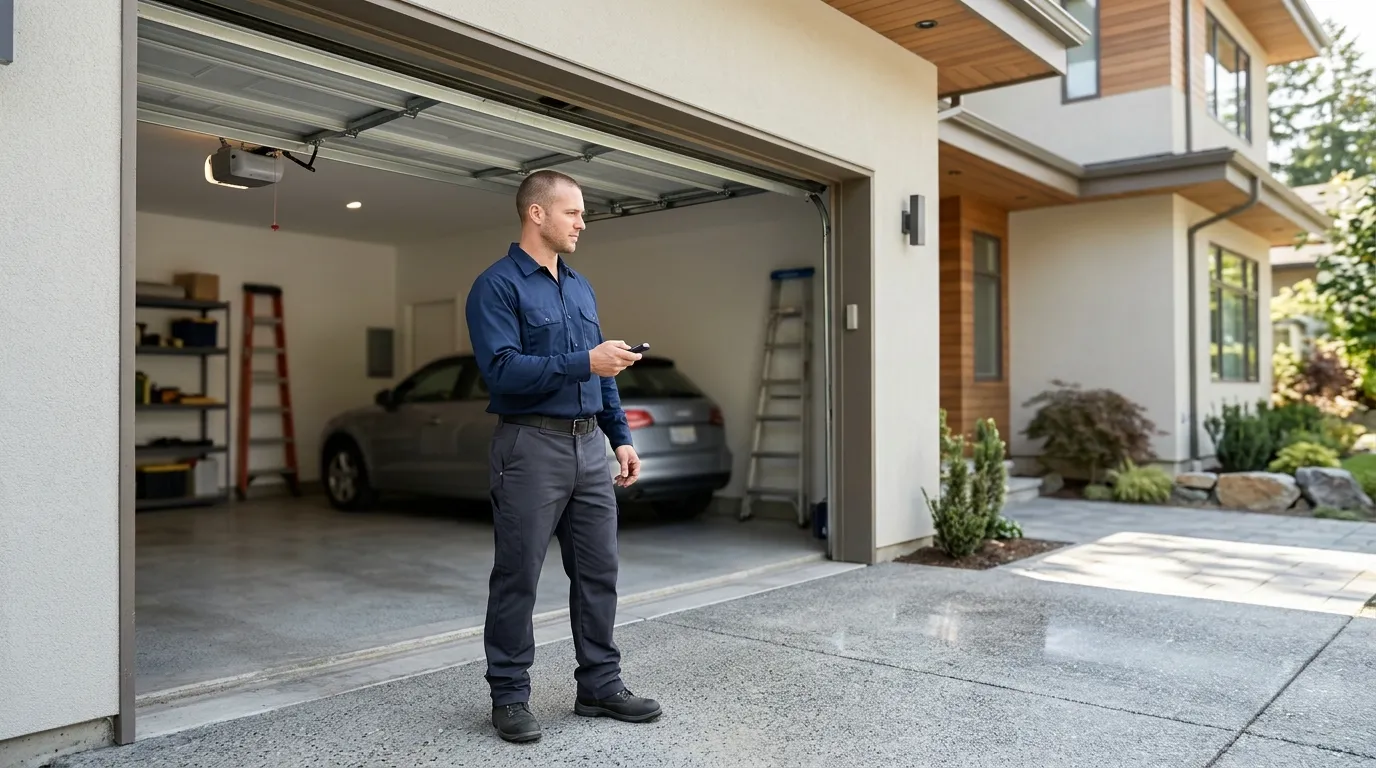
Garage Door Service
Tune-ups, lubrication, and safety checks that catch a small problem before it becomes a service call.
Learn more →Frequently Asked Questions
Why do springs break more in winter here?
Cold makes the steel in torsion springs more brittle, so a spring nearing the end of its cycle life is far more likely to snap once temperatures drop into the severe cold range this area sees. A spring that would have lasted through a mild season often fails during a hard cold stretch instead.
My garage door is original to a house built in the 1960s - should I worry?
Yes, it's worth a look. A lot of the housing in this area dates to the 1938-1985 window with a median around 1960, and original torsion hardware from that era is well past typical spring life. Age plus cold weather is the combination that causes most winter failures.
Can I replace a broken spring myself?
We don't recommend it. A torsion spring under tension can cause serious injury if it lets go while you're working on it, and if only one spring broke, the other is still loaded. This is a job for someone with the right bars and clamps, not a weekend project.
Have a Door That Needs a Second Opinion?
Call and describe what it is doing - we will tell you what it likely is.