
Boston Garage Door Guide
Stopping Draughts Through an Old Boston Garage Door
Boston homes built between 1938 and 1985 lose more heat through the garage door than most owners realize. Here's what worn seals cost you and when to replace them.
- Licensed & Insured
- Same-Area Service Calls
- Upfront Pricing
The Cost of This Job
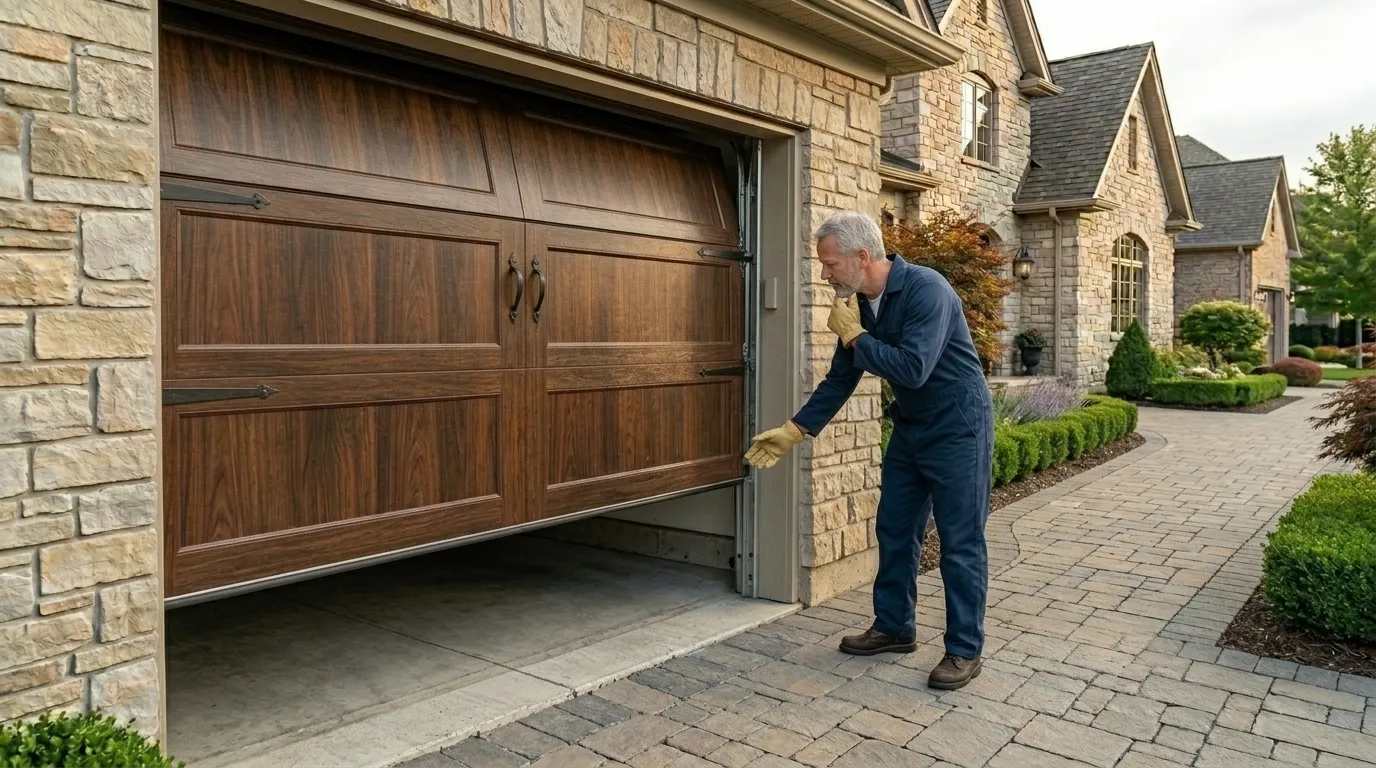
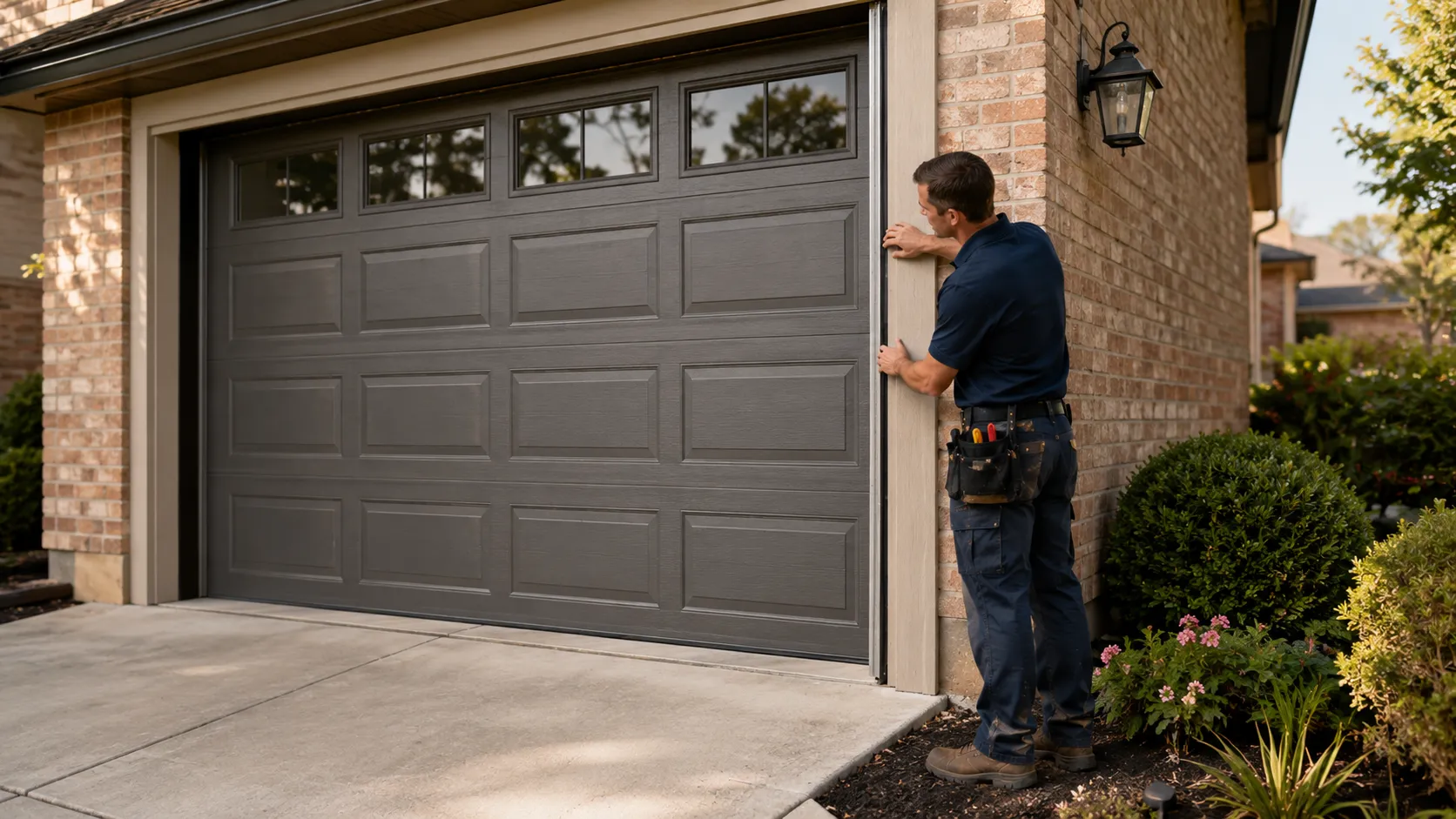
We don't have a flat number to give you here, because the price on a seal job swings with door width, track type, and whether the stop molding around the frame has warped enough to need replacing along with the rubber. What we can tell you is what drives the cost: a single-car door in one of the older triple-deckers takes less material and less time than a wide door on a 1960s ranch out past the neighborhoods closer to Chelsea or Everett. If the bottom astragal is the only thing gone, that's a short visit.
If the whole jamb has pulled away from decades of freeze-thaw movement in this kind of housing stock, you're looking at more carpentry, not just a strip of rubber. Ask for a number in person once we've seen the door - we won't quote one over the phone for a house we haven't looked at.
When to Get Help
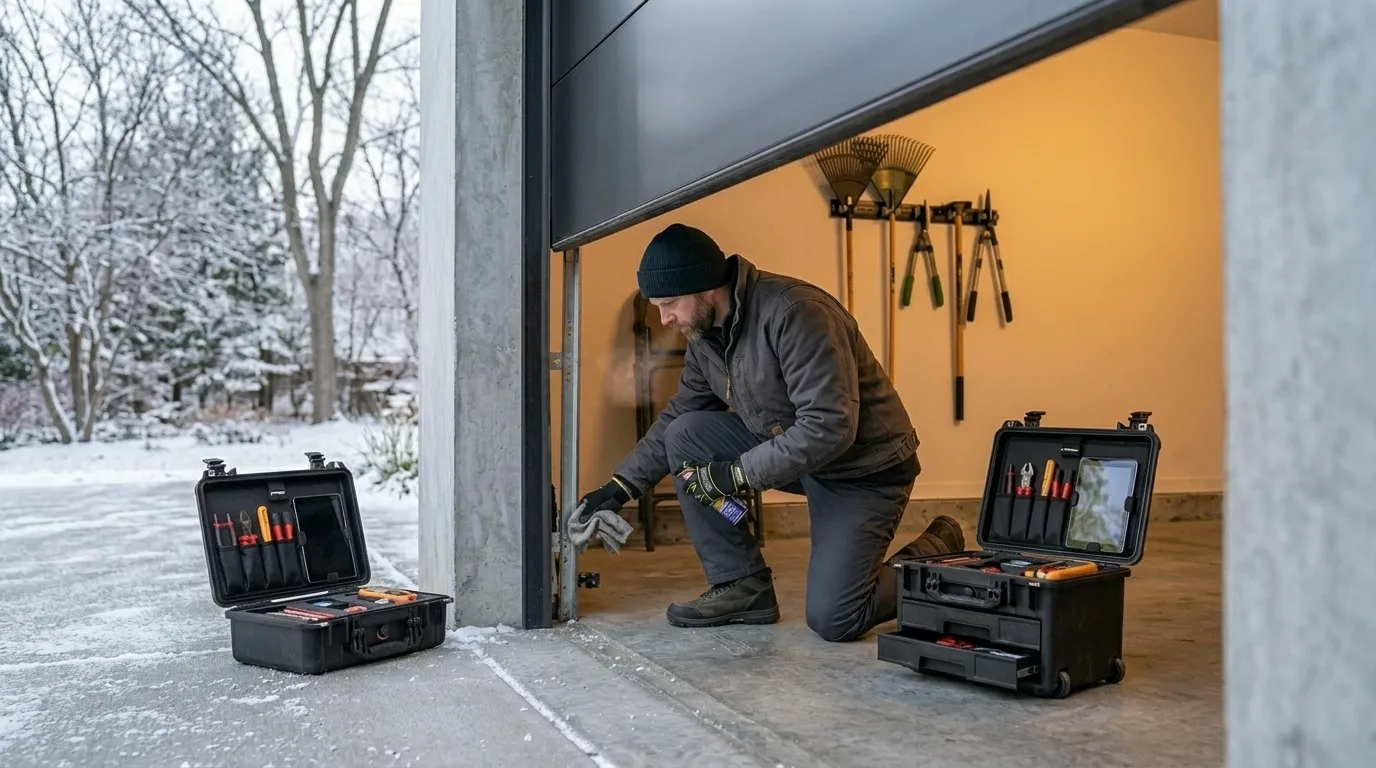
If you can see daylight around the edges of the door in daytime, or feel cold air moving along the floor when the door is shut, the seal has already failed. Don't wait for a slow leak to become a wet floor. Houses in this area built in the 1938-to-1985 window (median build year 1960) were framed to a standard that didn't anticipate the sealing performance we ask of a garage door today, so even a factory-fresh weatherstrip won't fully stop draughts on an opening that's shifted with the foundation over sixty-plus years.
Call when the bottom seal is cracked, flattened, or pulling out of its track, or when you notice ice forming along the threshold in winter. That ice is water finding a gap and freezing there - a sign the seal isn't doing its job, not a normal winter thing to live with.
The Situation
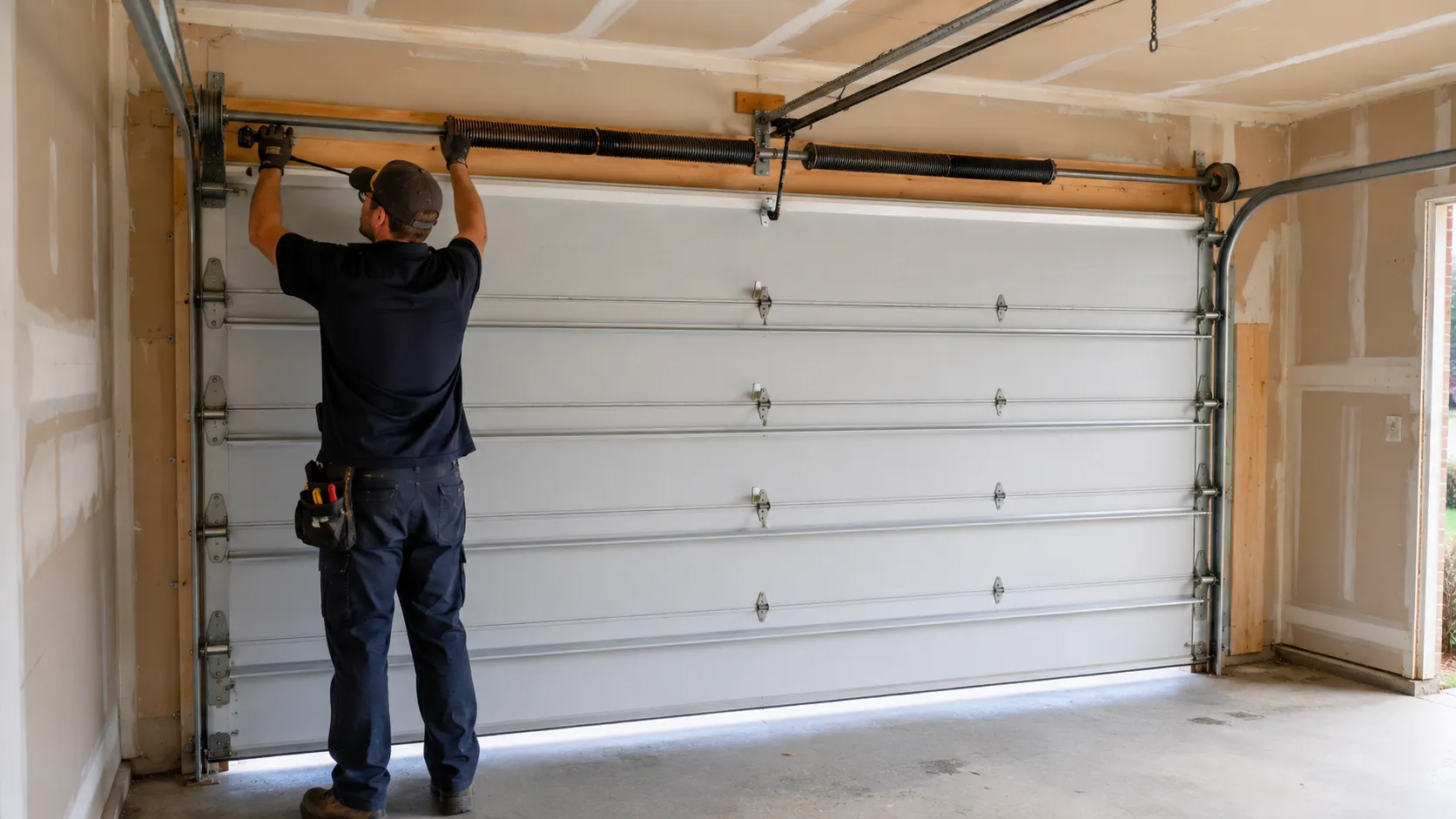
Most of the doors we get calls about sit in housing built mid-century, when this was still a city of two- and three-family frame houses going up fast. That means original jambs, often out of square by now, holding weatherstrip channel that was never a great match for the doors installed on it decades later.
Across the service area - 740,033 households, with roughly 241,531 of those in owner-occupied houses - a lot of these garages sit close enough to the water that salt air and harbor-driven wind get into places a suburban door never has to handle. We see this most in the neighborhoods within a couple miles of the harbor, like South Boston, East Boston, and the Jeffries Point stretch, where wind off the water finds every gap in a seal before it finds anywhere else.
What the Weather Here Does to It
This area sits in a cold, severe climate band, and that's the whole reason seals fail faster here than they would somewhere milder. Repeated freeze-thaw cycles through a New England winter make rubber weatherstrip go brittle years before it would in a warmer region, and once it cracks, meltwater gets behind it and refreezes, pushing the seal further out of its track.
On older doors - and given a median build year of 1960, that's most of them around here - the jamb itself has usually moved a little with decades of frost heave, so a stock replacement seal doesn't always sit flush without some adjustment to the stop. That's the honest limitation: sometimes a new seal alone won't stop every draught, and the fix is shimming or resetting the astragal track, not just swapping rubber.
How We Can Help
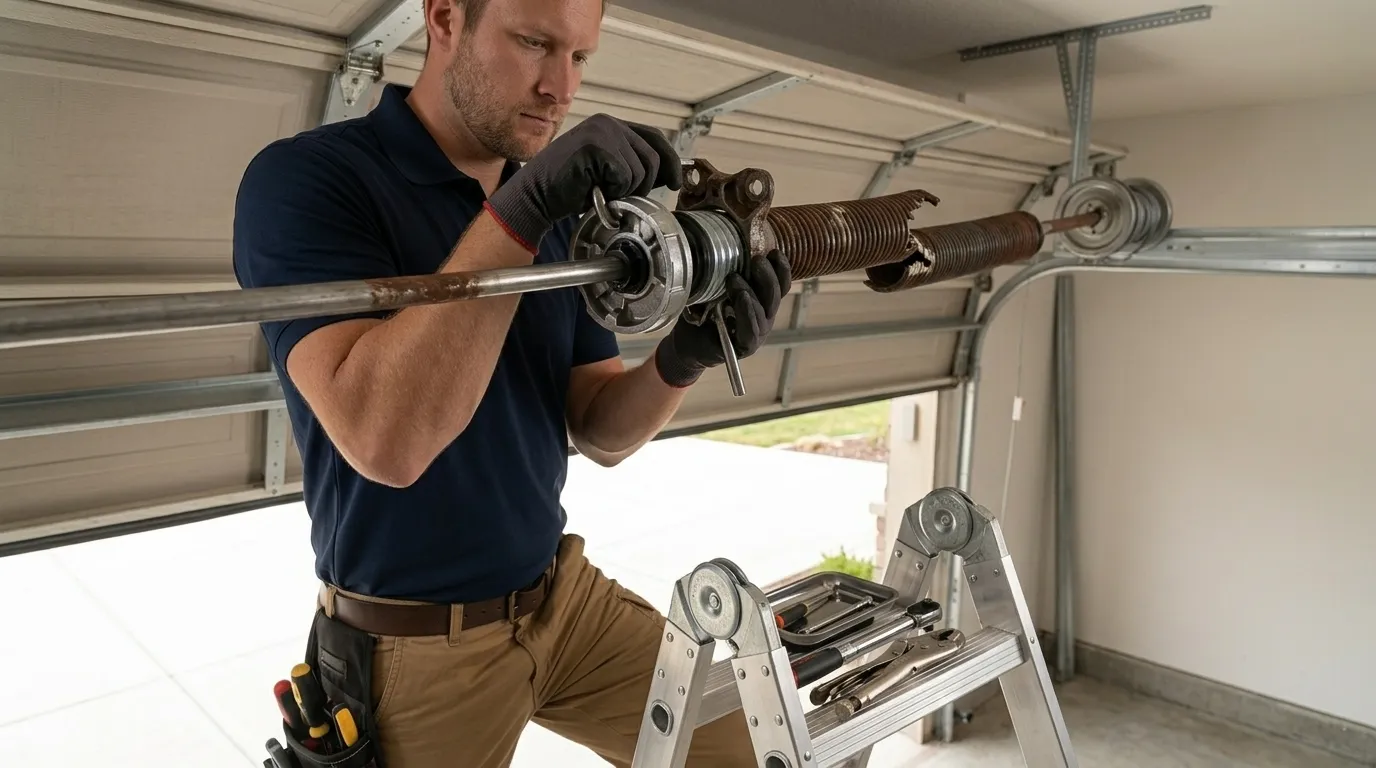
Garage Door Repair
Springs, cables, tracks, rollers, and openers fixed by a tech who explains the problem before touching anything.
Learn more →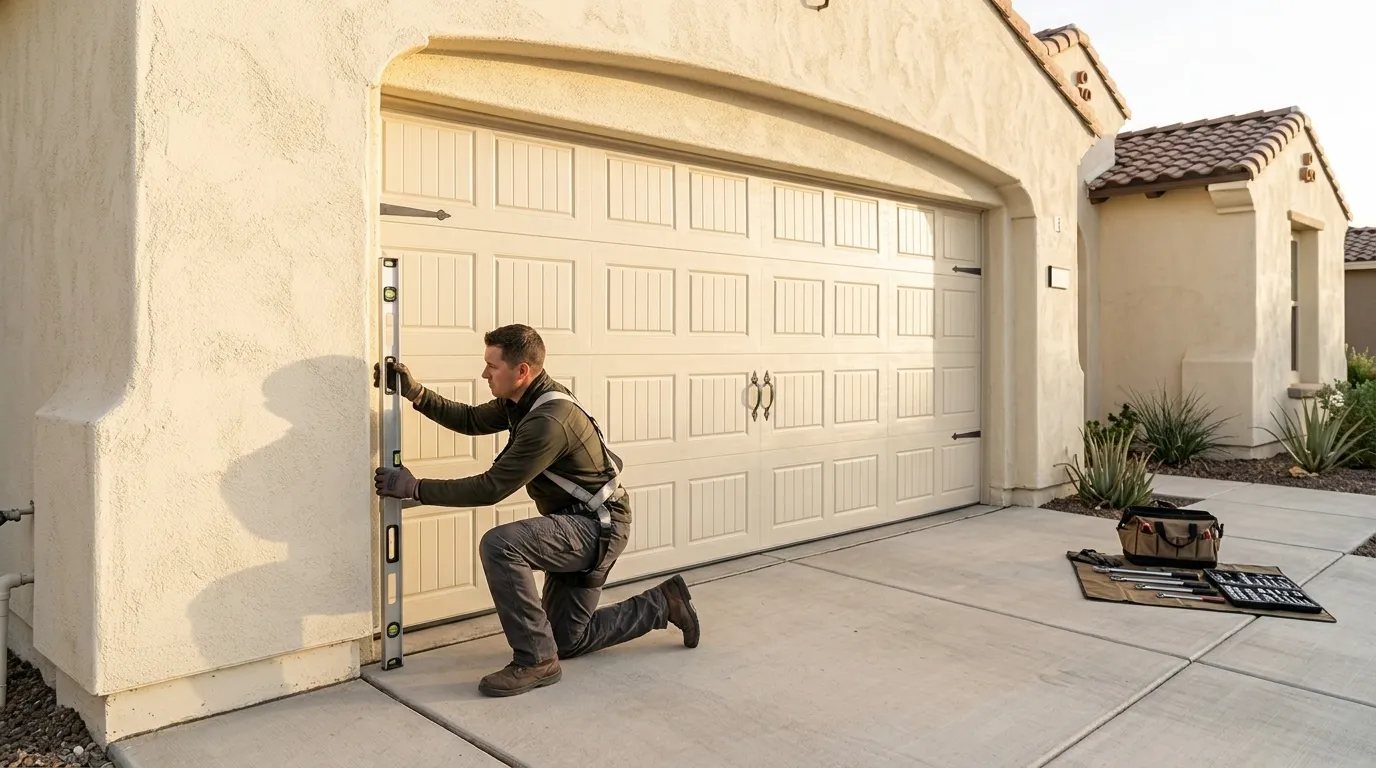
Garage Door Installation
New sectional doors sized and installed for the housing stock actually built in this area.
Learn more →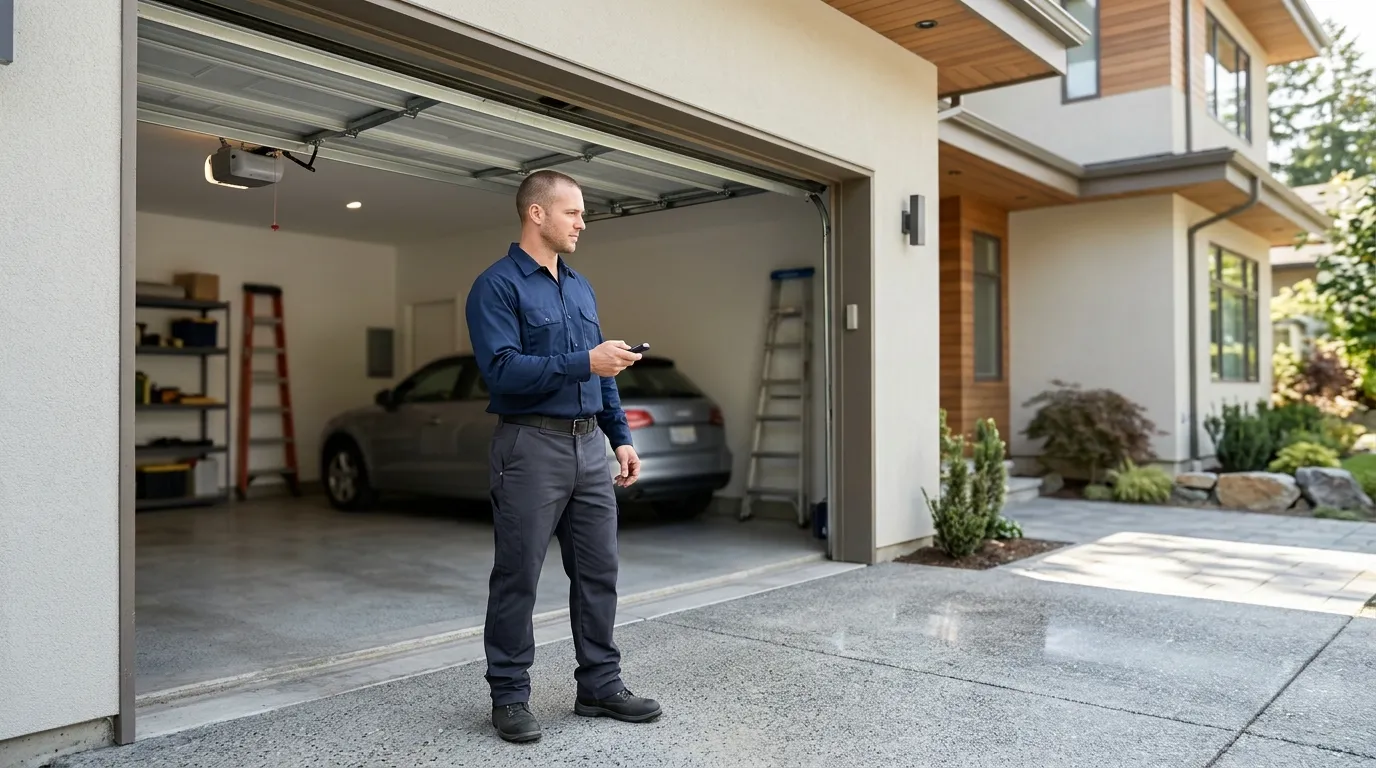
Garage Door Service
Tune-ups, lubrication, and safety checks that catch a small problem before it becomes a service call.
Learn more →Frequently Asked Questions
Why does my garage door let in cold air even with the seal looking fine?
On a lot of these older Boston houses, the jamb has shifted slightly over the decades since it was framed, so the seal can look intact but not sit flush against the frame anymore. Cold-climate freeze-thaw cycles speed this up. Worth a look at the track and stop molding, not just the rubber.
How often should I replace garage door weatherstripping in a cold climate like this?
There's no fixed schedule in our facts, but in a severe cold band like Boston's, rubber seals go brittle faster than manufacturers' general guidance assumes. Check yours each fall before the freeze-thaw cycle starts and replace at the first sign of cracking rather than waiting for a full gap.
Does sealing my garage door actually help with heating bills?
A garage that's leaking air through a failed seal is pulling in outside temperature straight from a cold, severe climate zone, which affects anything stored against that wall and any room above or beside the garage. We can't quote you a savings figure, but stopping a visible draught is a straightforward fix with a clear cause.
Have a Door That Needs a Second Opinion?
Call and describe what it is doing - we will tell you what it likely is.