
Service
Garage Door Installation, Sized for Boston's Older Housing
New garage door installation for Boston homes built between 1938 and 1985, sized to fit original openings and insulated for Boston's cold, severe winters.
- Licensed & Insured
- Same-Area Service Calls
- Upfront Pricing
The DIY Question
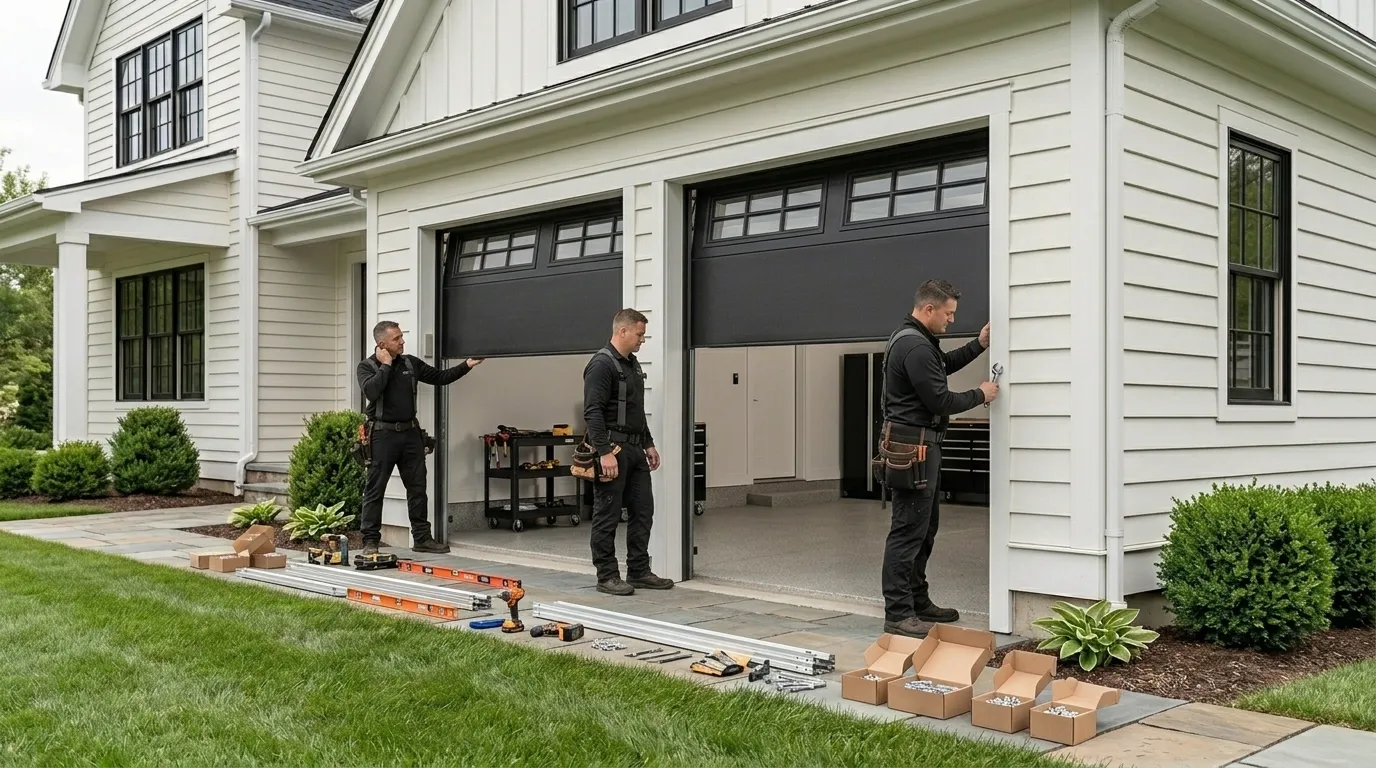
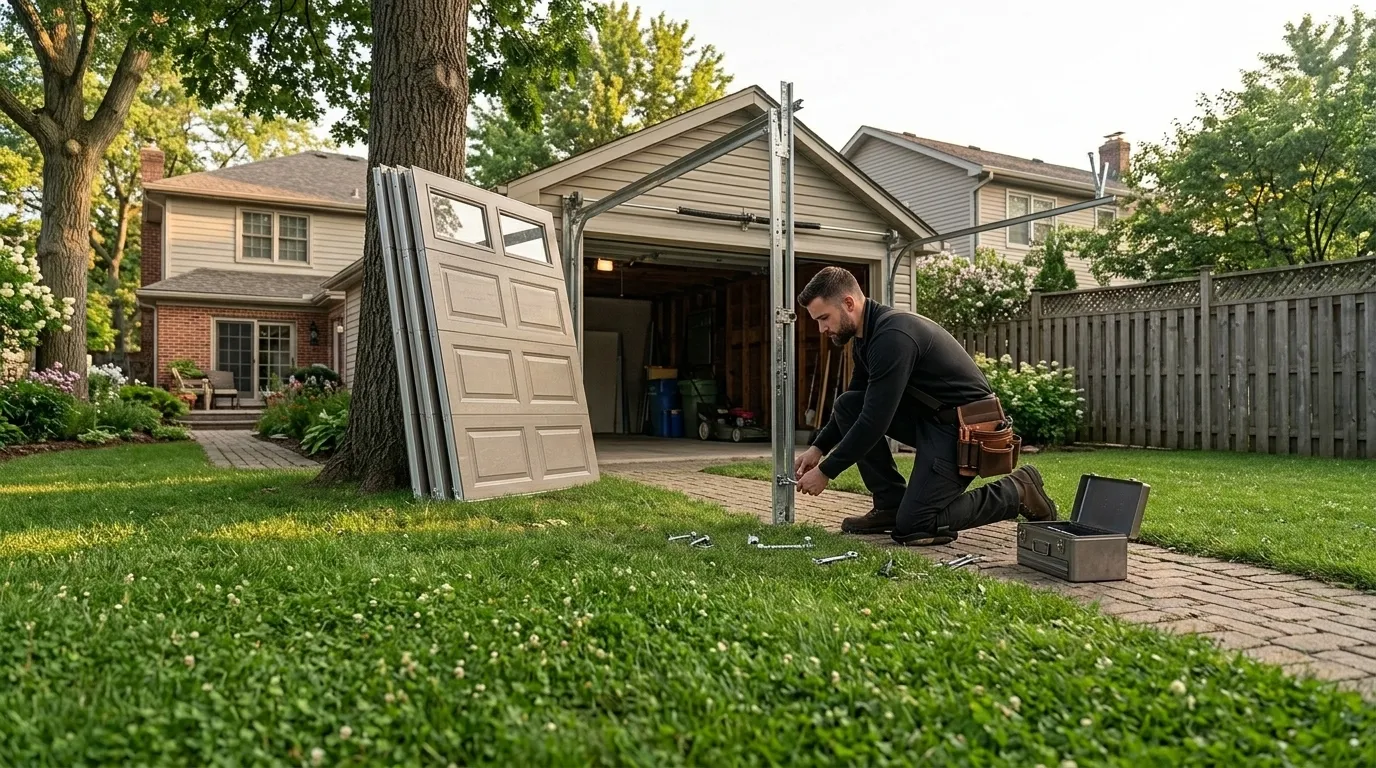
You can buy a garage door online and try to hang it yourself, and plenty of people do. But most of Boston's housing went up between 1938 and 1985, with the median build year around 1960, and openings framed in that era are rarely the clean, standard rough opening a modern kit door expects. Headers get shimmed, jambs are out of square by an inch or more, and the track brackets that worked for a 1962 steel door don't always line up for what's sold today.
Add in torsion springs under real load - enough force to break a hand or worse if you get the winding bar wrong - and this stops being a Saturday project for most homeowners. Where DIY makes sense: swapping weatherstripping, replacing a remote, tightening loose hardware on a track that's still true. Where it doesn't: setting a new door in an opening that's shifted with the house over sixty-plus years, or handling spring tension on anything wider than a single door.
We'll tell you straight if a job is simple enough to walk you through over the phone versus one that needs a crew and a truck. That honesty costs us some easy sales, but it's the only way this business works long-term.
The Cost of This Job
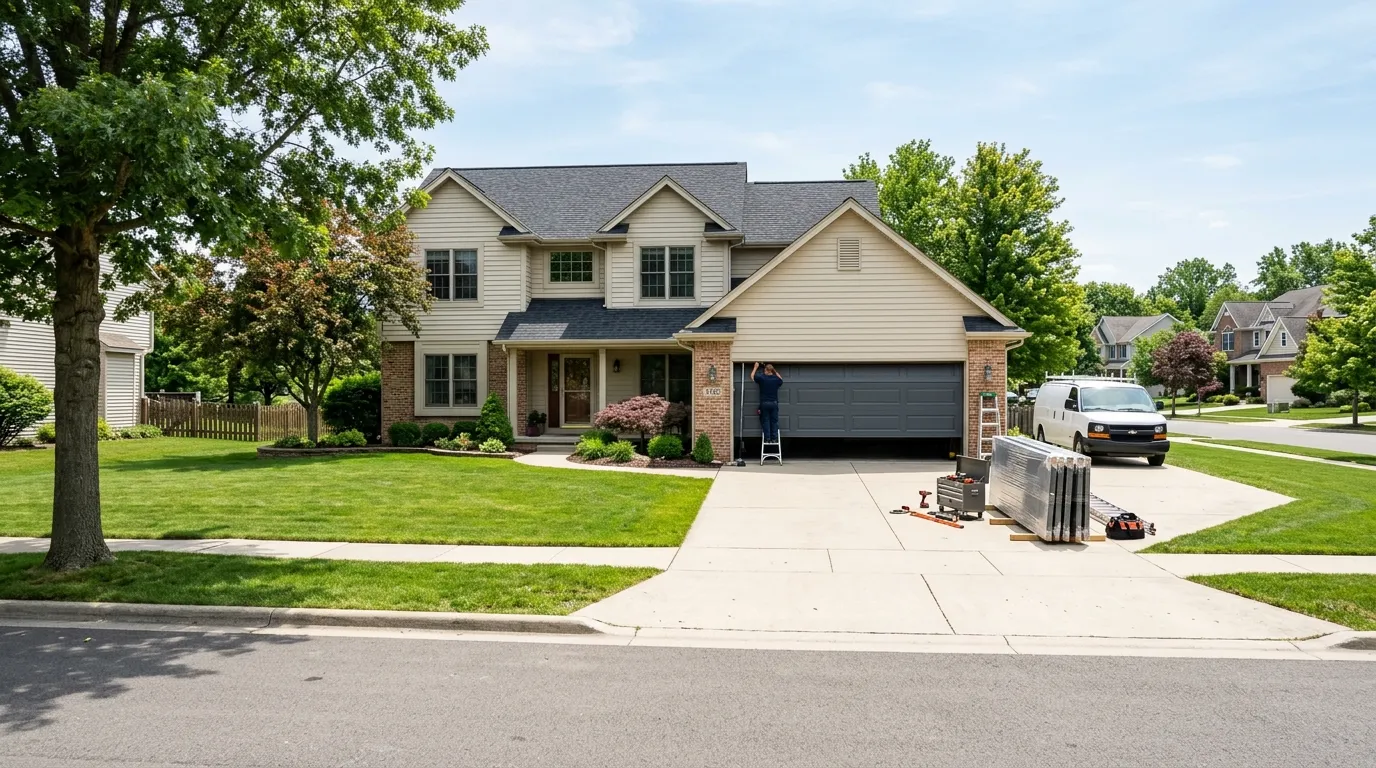
We're not going to put a number here that doesn't hold up once we're standing in front of your opening. What we can tell you is what moves the price. Boston's housing stock, mostly built 1938 to 1985, means openings vary house to house - some were framed for narrower doors than what's standard now, which can mean added carpentry, not just a door swap.
The cold, severe climate here also pushes most homeowners toward an insulated door rather than a bare steel panel, and insulation level is one of the bigger cost swings on any install quote. Track configuration matters too: low-headroom setups common in older garages with tight ceiling clearance need different hardware than a standard-lift job. The honest limitation is this - we can't price a garage door installation over the phone with any accuracy, because the two biggest cost drivers, opening size and headroom, aren't things we can see from a description.
What we do instead is look at the opening, tell you what's driving the number, and let you decide what tier of door makes sense for the house.
How It Shows Up
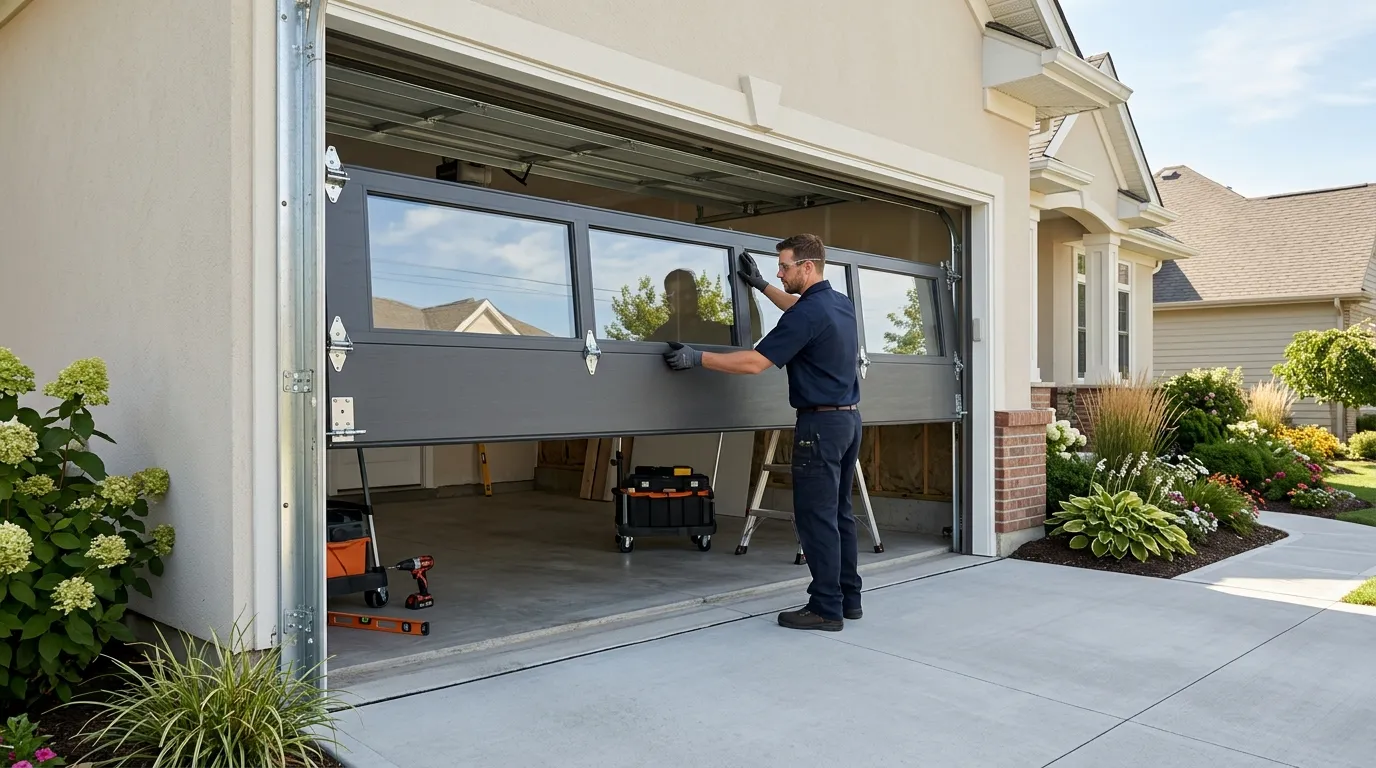
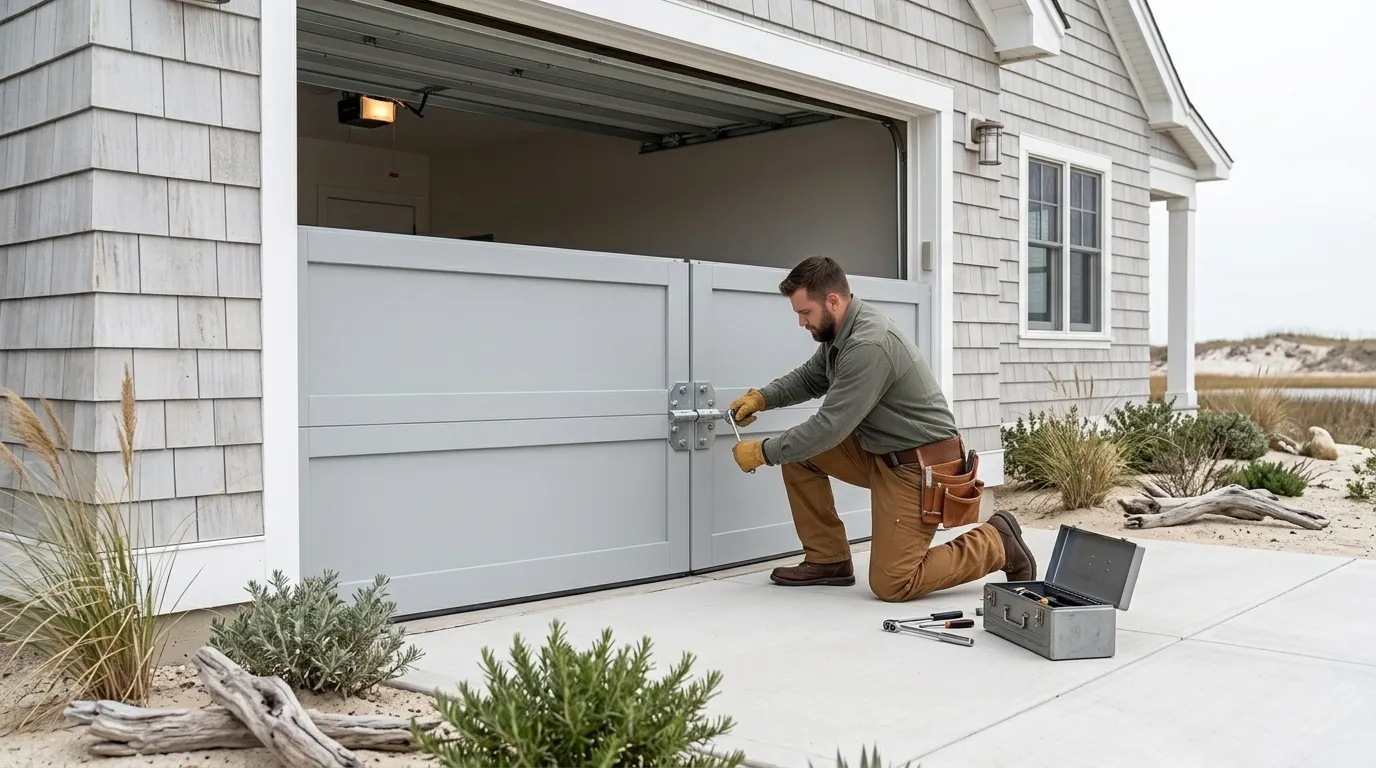
On a lot of the doors we get called out to replace rather than repair, the tell is the same: a steel panel from the 1960s or 70s that's finally given up. No insulation, a single layer of steel that's dented, rusted at the bottom corners, or bowed enough that the door binds in the track on cold mornings. In a climate that runs cold and severe most winters, an uninsulated door lets a garage sit close to outside temperature, which matters if the space backs onto a mudroom or a finished room above it.
Other signs it's installation time and not another repair: the door is heavier or lighter than the springs were ever sized for because someone swapped panels somewhere along the way, the track brackets are pulling away from framing that's aged past holding fasteners well, or the opening itself has settled out of square enough that no amount of adjustment keeps the door running straight. None of that shows up overnight. It's usually years of small compromises on a door built for a house from a different era, and at some point patching it stops making sense.
What Causes It Around Here
The root of most installation calls we take in Boston traces back to when the houses were built. With most of the stock going up between 1938 and 1985, and the median house dating to around 1960, a huge share of garages were framed for door sizes and hardware that don't match what's manufactured today. That's true from South Boston and Charlestown out through Dorchester and East Boston - all built in roughly the same window, all carrying some version of the same narrow or oddly-proportioned opening.
Layer the climate on top: Boston sits in a cold, severe band, and steel doors from that era weren't built with the insulation values homeowners expect now, so decades of winter cycling warps panels and stiffens hardware faster than it would somewhere milder. Across the service area's roughly 241,531 owner-occupied houses, a meaningful share still have a door that's original or close to it - not because owners haven't cared for them, but because a well-built steel door from 1965 can genuinely last that long before the opening, not just the door, becomes the problem.
Why Boston Calls Us
What Happens When You Call
Call or Request a Quote
Tell us what the door is doing and roughly how old the house is - that alone points us toward the likely part before a truck leaves.
On-Site Diagnosis
A tech checks the spring, cables, tracks, and opener in person and tells you plainly what is actually wrong.
Straight Price, No Surprises
You get a number before any work starts. It covers parts and labor, nothing added after the fact.
Fixed the Same Visit
Most repairs are done in one trip. If a part needs sourcing, we tell you that upfront instead of guessing.
Talk to a Technician Before You Book
Describe what the door is doing and get a straight answer on what it likely needs.
Jobs Like Yours
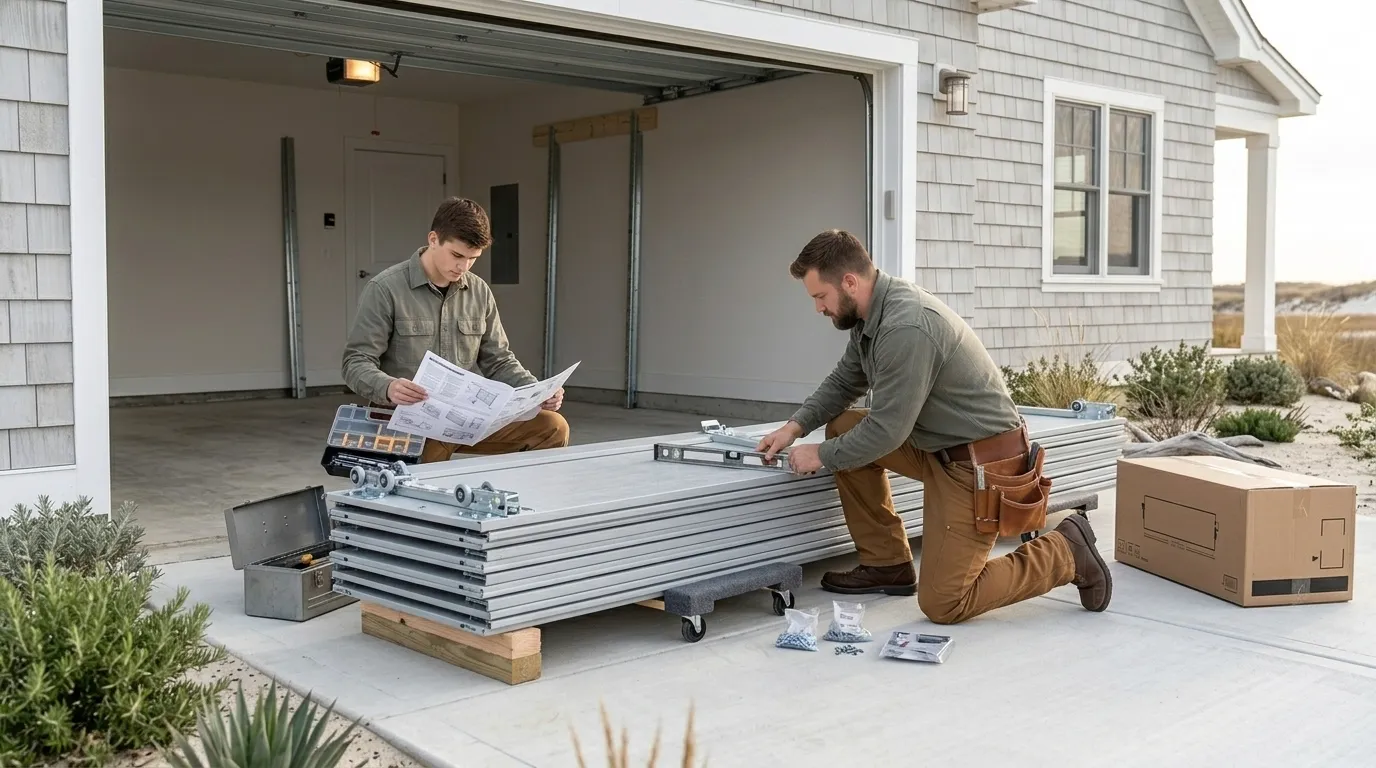
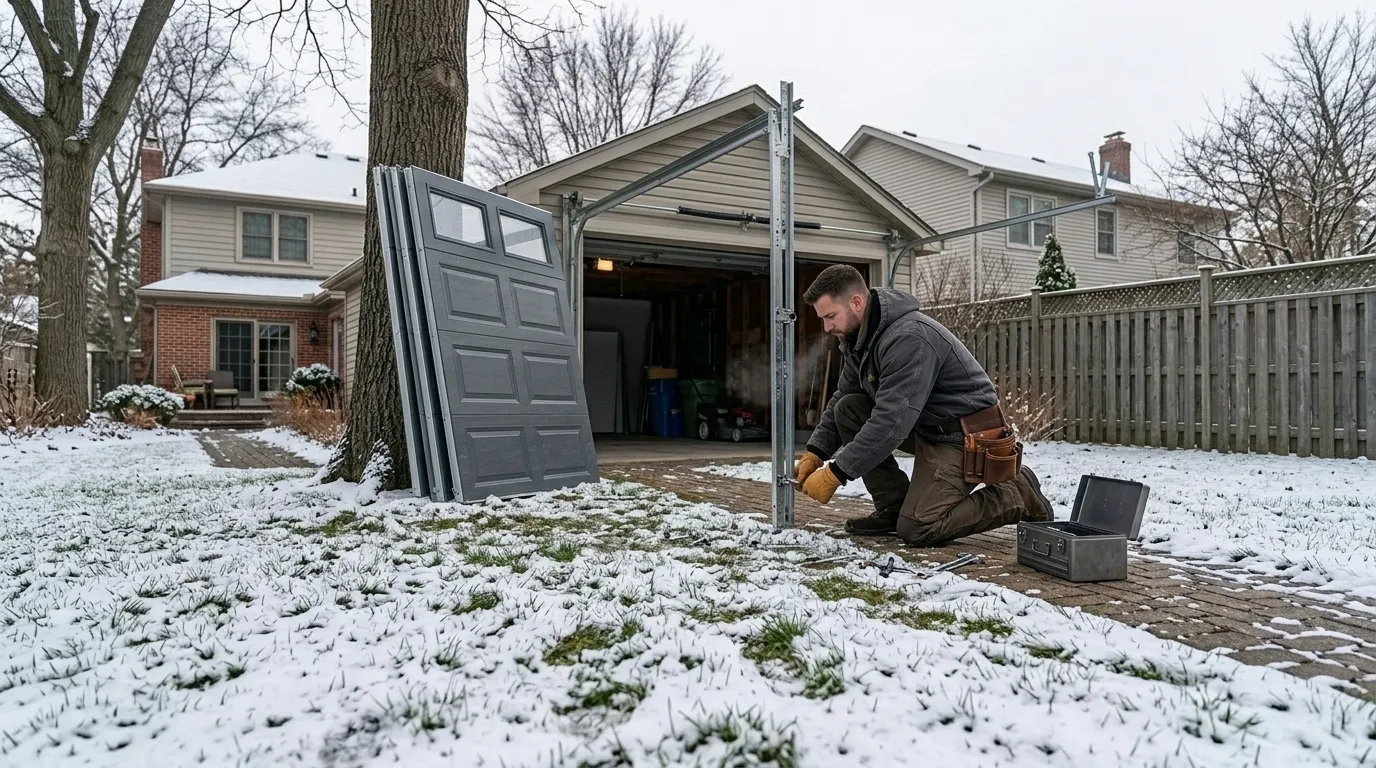
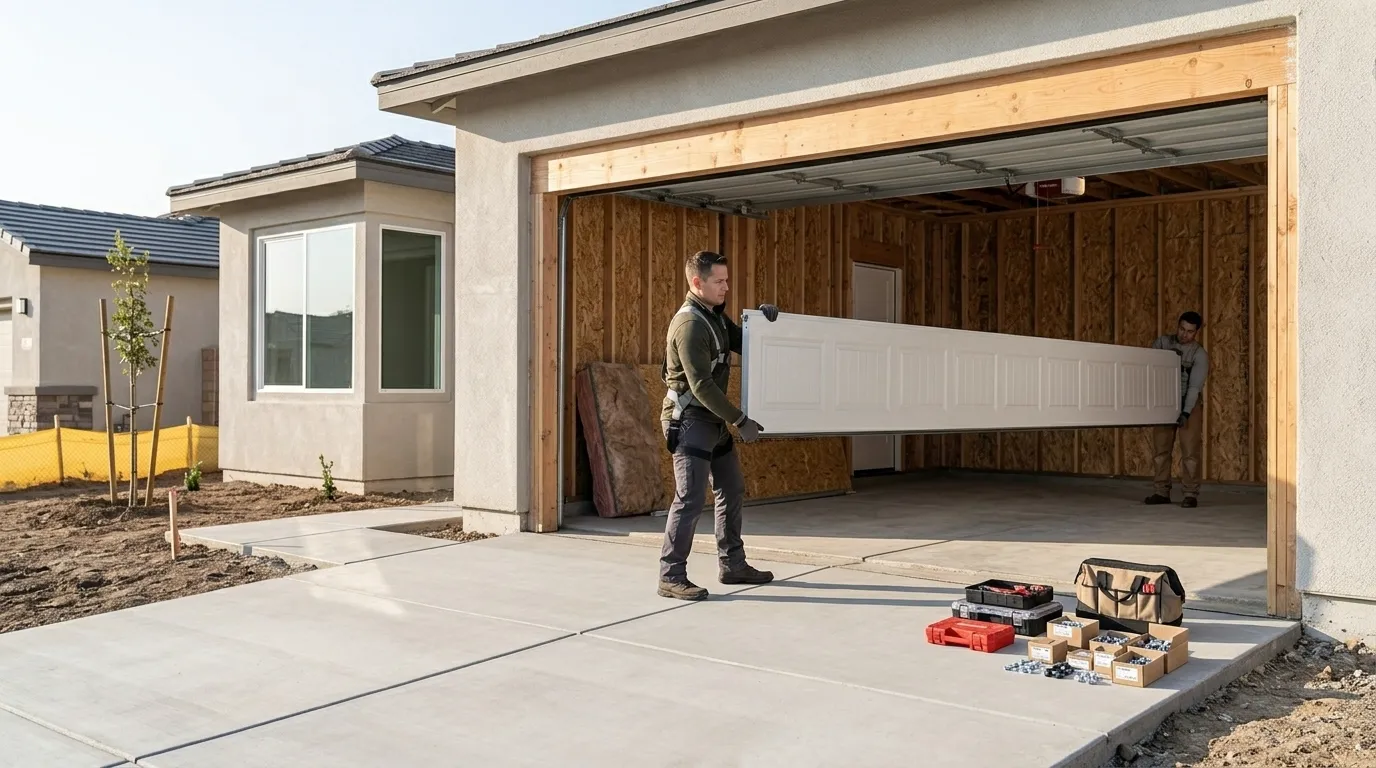
Recent work from this service line.
Other Ways We Can Help
Frequently Asked Questions
Do you install garage doors in older Boston triple-deckers with tight garage openings?
Yes. A lot of Boston's housing dates to 1938-1985, and narrow or low-headroom openings from that era are common, especially on triple-deckers and attached garages built into the original footprint. We measure the actual opening and headroom before quoting so the door and track hardware match what your garage can actually take.
Will a new garage door be insulated for Boston winters?
Most homeowners here choose an insulated door because Boston sits in a cold, severe climate band and an uninsulated steel panel does little to buffer a garage from winter temperatures. Insulation level is optional, not required, but it's the detail most people ask us about once they understand the difference in how the space feels.
Can you tell me a price over the phone?
Not accurately. Opening size and headroom clearance are the two biggest cost factors on an install, and those vary house to house across Boston's older stock. We look at the opening in person and walk you through what's driving the quote before you commit to anything.
Need Garage Door Installation, Sized for Boston's Older Housing?
Call now for straight answers on cost and timing.