
Boston Garage Door Guide
Is Your Old Boston Garage Door Worth Repairing or Replacing?
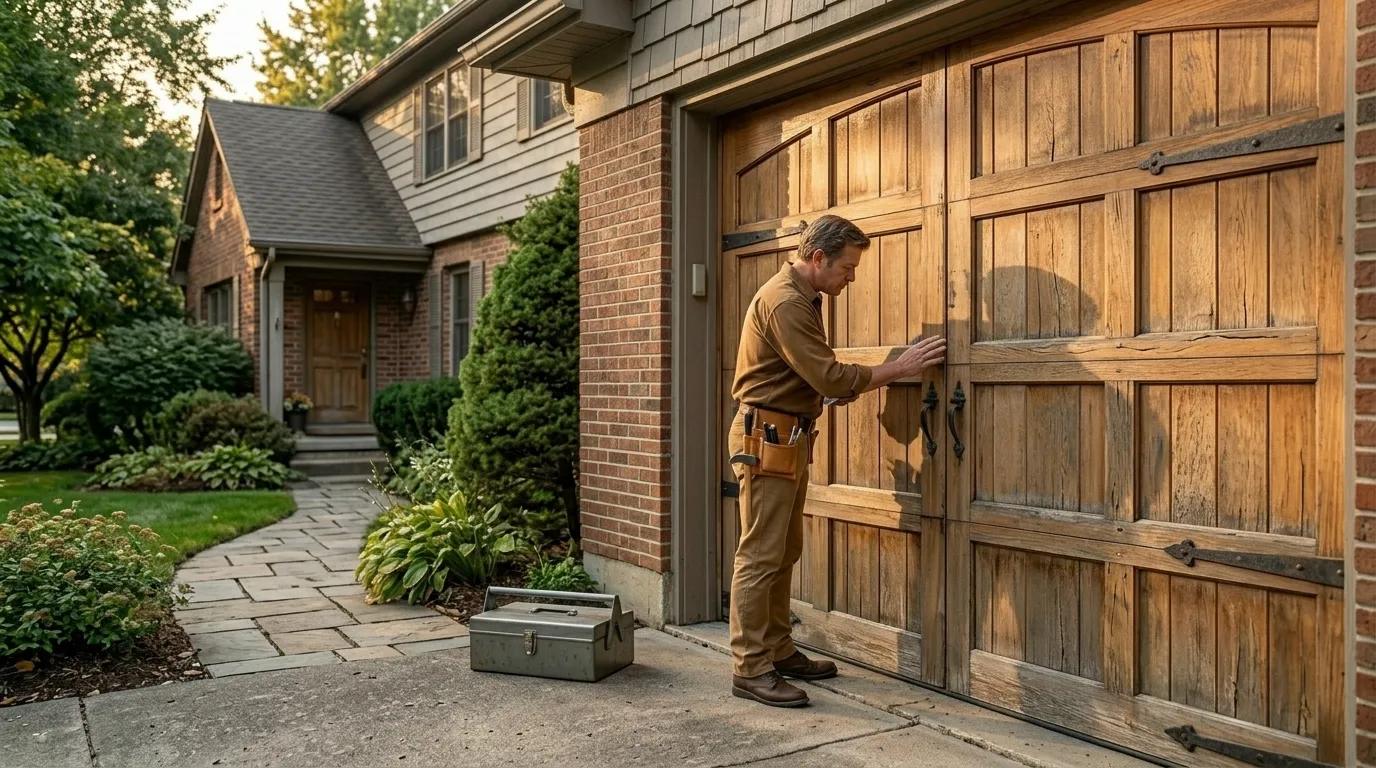
Boston homes built mostly 1938-1985 mean original doors and hardware that don't match today's stock sizes. Here's how to judge repair versus replace, honestly.
- Licensed & Insured
- Same-Area Service Calls
- Upfront Pricing
The Cost of This Job
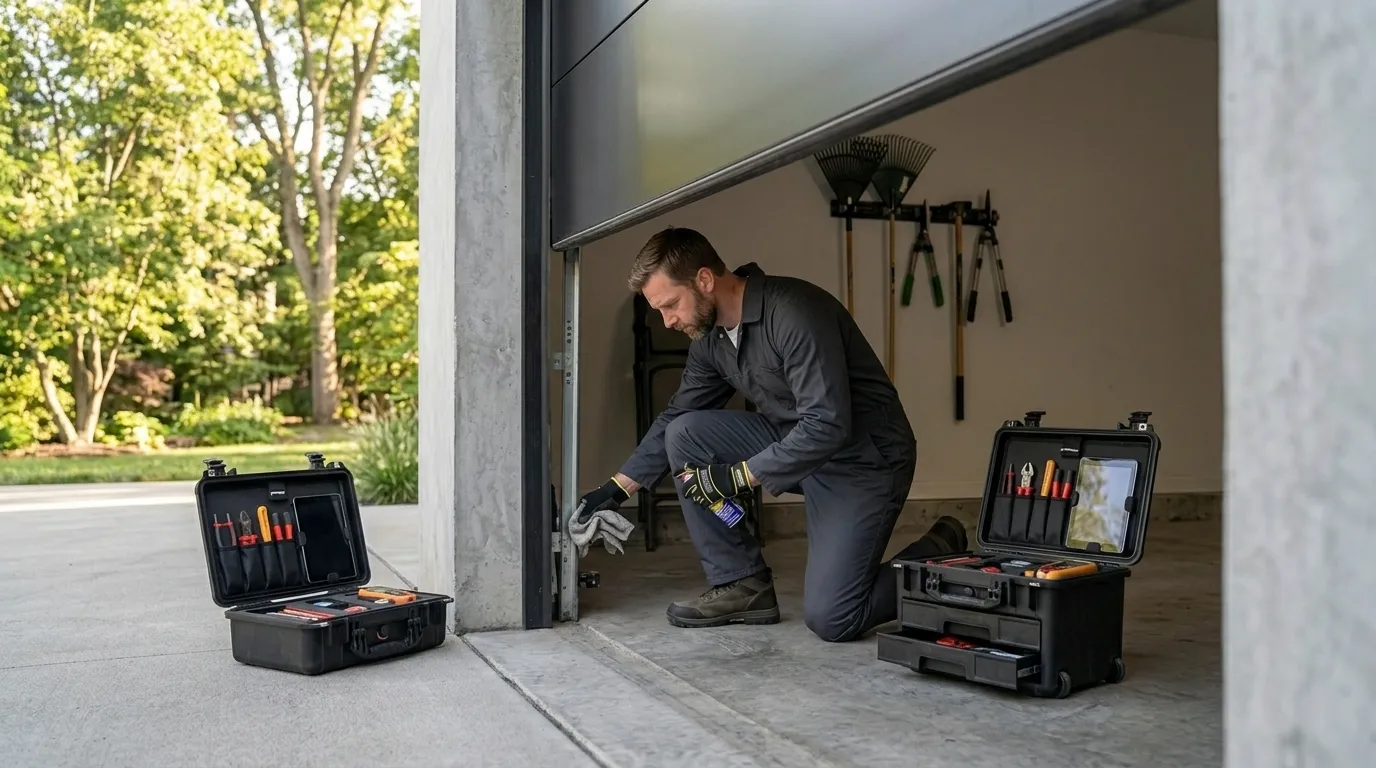
There's no single number here, and I won't pretend there is one FACTS supports. What decides the cost is what's actually wrong: a broken torsion spring on a double door is a different job than a bent track or a section that's rusted through at the bottom. What I can tell you is how to think about it.
Across the service area - 740,033 households, with 241,531 of those owner-occupied houses - median household income runs $135,498. That's high enough that plenty of owners could buy a new door outright without blinking. Many still choose to repair, because a 1960s-era door with a square jamb and standard hardware is often cheaper to fix than to replace, panel for panel.
The honest limitation: if the door itself has gone soft - wood rot through more than one section, or a steel door rusted along the bottom two panels - you're not saving money by patching it. That's replacement territory, and I'll tell you so on the call instead of running up a repair bill on a door that's going to fail again in a year.
When to Get Help
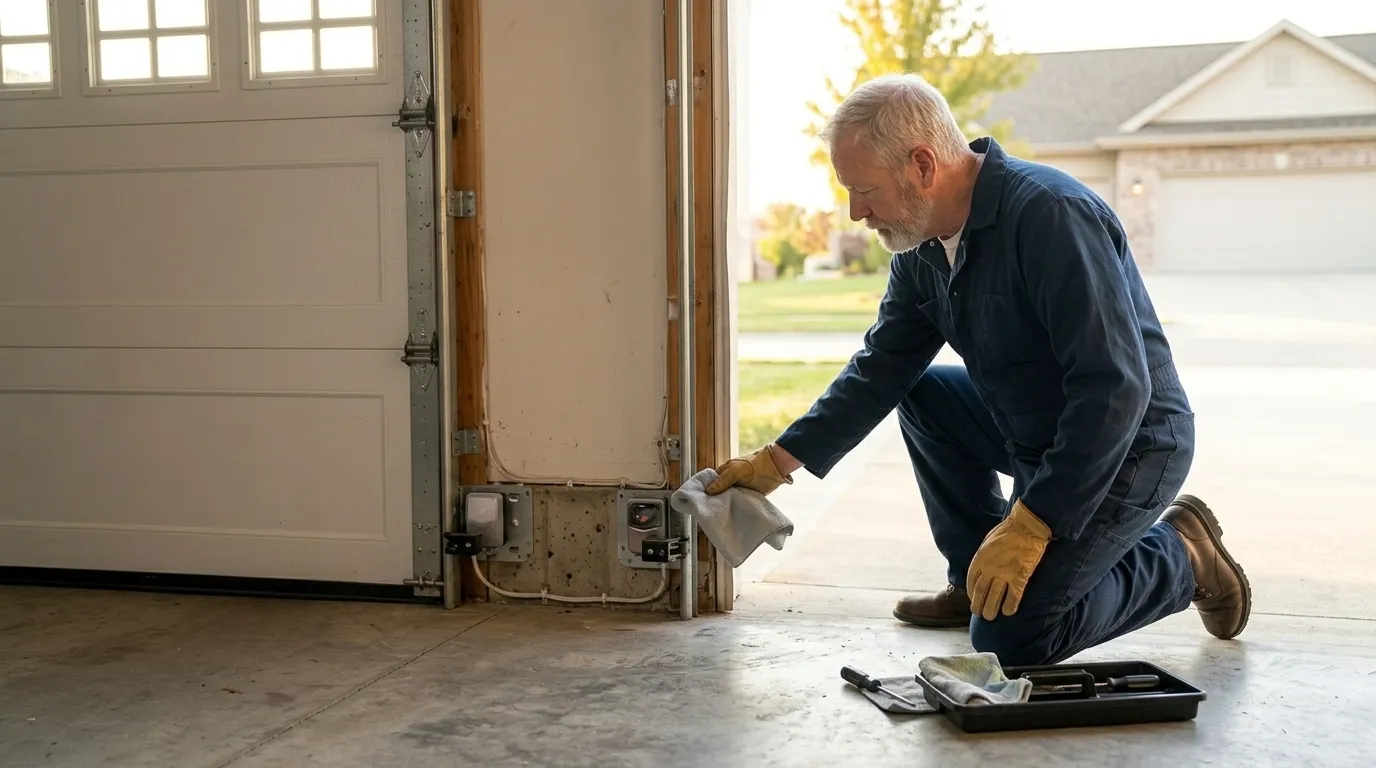
Call before the door comes off the track entirely. A door that's binding, that drops the last foot instead of easing down, or that groans when the opener strains - that's a spring going, not a full system failure yet. On a torsion spring, waiting usually means the door drops suddenly with no warning, and that's when someone gets hurt or the door itself gets bent on the way down.
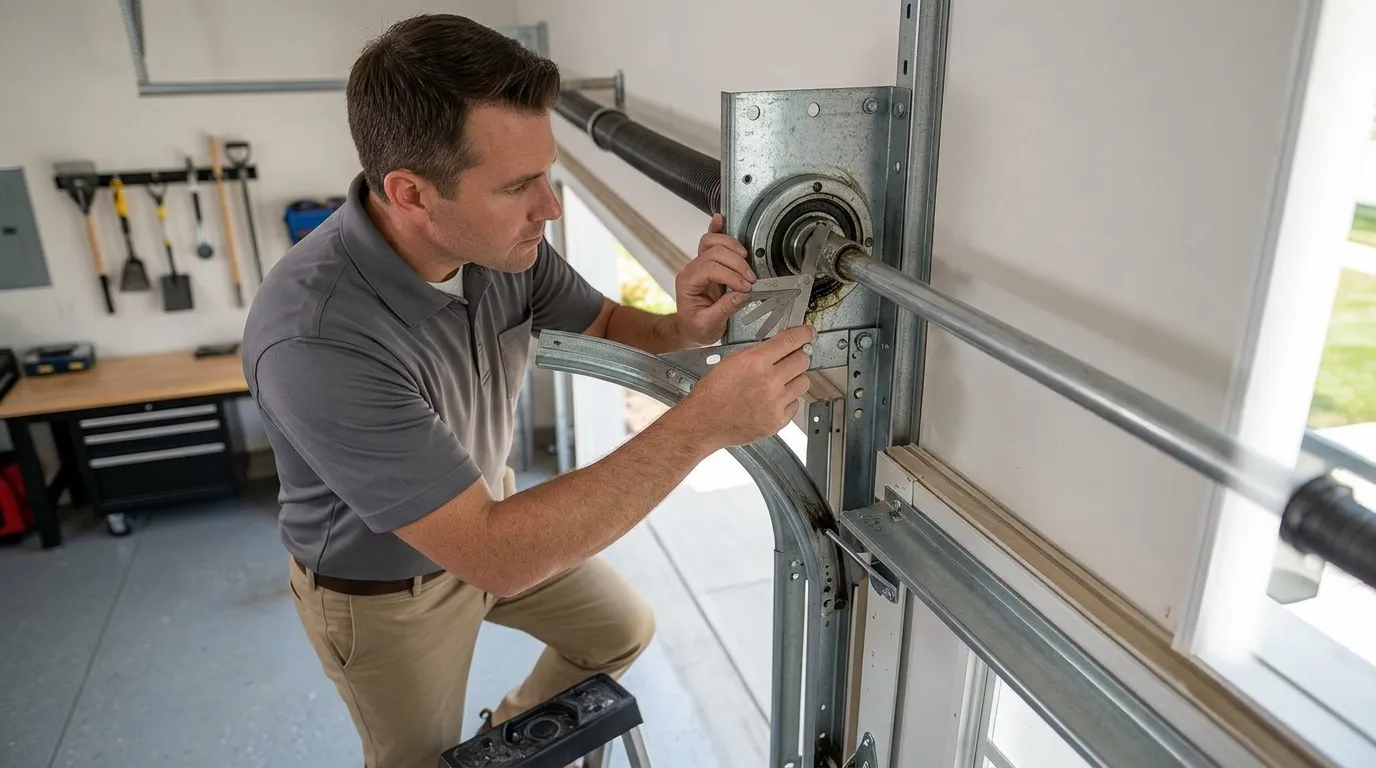
Rollers that have gone from round to flat-sided are another sign worth a call rather than a YouTube fix, especially on the older steel track common in houses built before 1985 - the tolerances are tighter and a wrong-size roller will bind instead of roll. If the door is original to a house built in that 1938-1985 stretch, get someone out to look at the hardware before you touch the springs yourself. Older torsion setups sometimes use parts that aren't stocked the way current hardware is, and guessing at spring tension on unfamiliar hardware is how people get hurt.
The Situation
Boston's housing stock, across the 66 named neighborhoods and close-in towns this shop covers - South Boston, Jeffries Point, Charlestown, Dorchester, Roxbury, and out through Chelsea, Everett, Quincy, Somerville, Cambridge, and the rest - mostly went up between 1938 and 1985, with the median landing around 1960. That matters more for garage doors than people expect. A door installed on a house built in 1960 has likely been replaced once, maybe twice, but the opening itself, the track spacing, and the jamb framing are original to that build era.
If you're in a tighter urban lot near South Boston or Jeffries Point, that often means a narrower door and less headroom for newer opener hardware than what you'd find ten miles out in Lexington or Canton, where lots and openings tend to run bigger. Knowing which era your house falls into tells a technician what hardware to bring on the truck before showing up, instead of guessing.
What the Weather Here Does to It
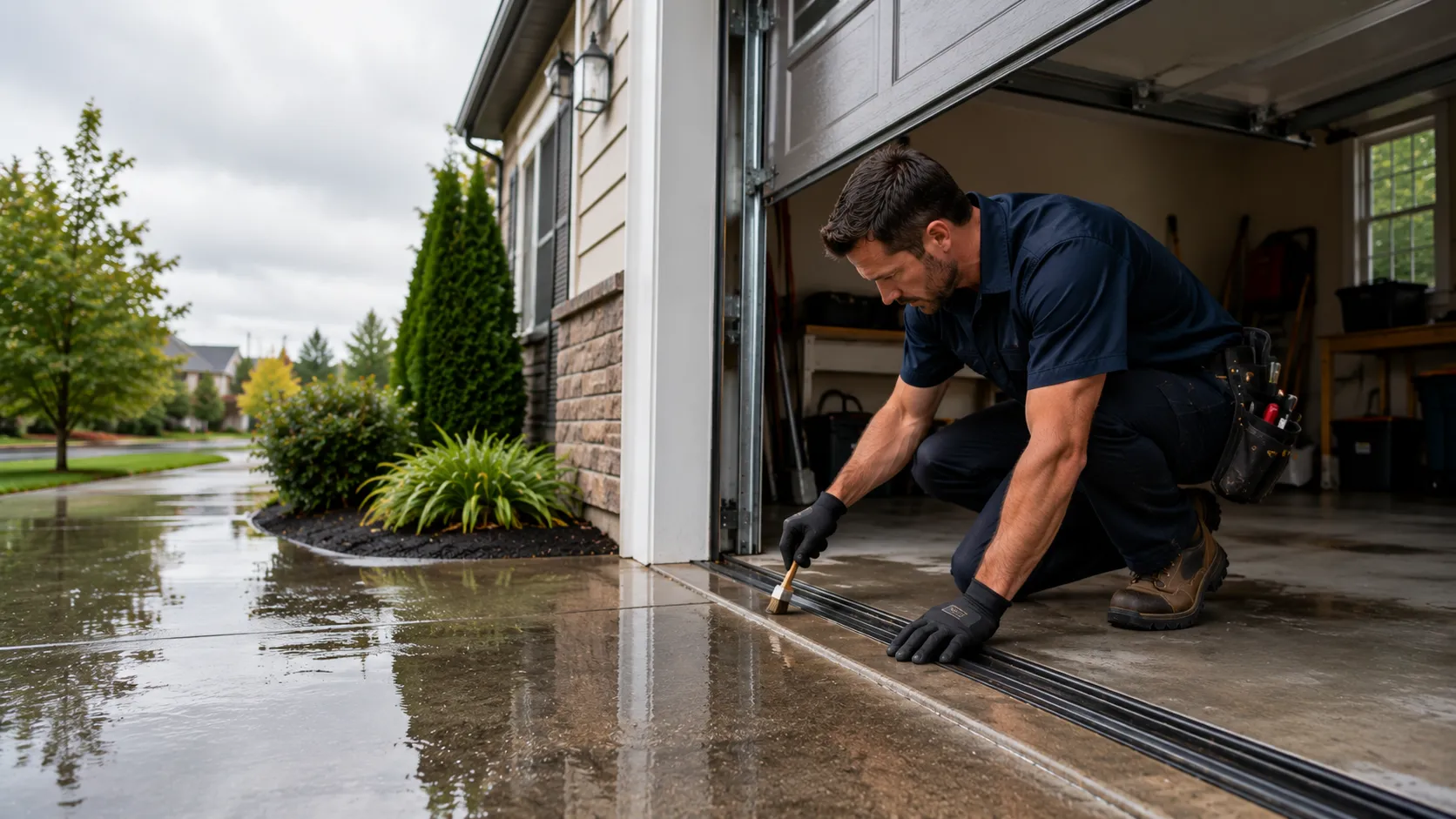
Boston sits in a cold-severe climate band, and that's not a small detail for a garage door. The swing between a hard January freeze and a humid August is what breaks down spring coatings, dries out weatherstripping, and seizes up track lubricant faster than the door's actual moving parts wear out. On a door original to a house from the 1938-1985 run, that's decades of freeze-thaw cycling on hardware that was never rated for today's expectations.
Cold makes steel contract, which tightens tolerances on tracks and rollers already worn from age - that's why a lot of the winter service calls in this area are doors that worked fine in October and started binding the first hard freeze. If your door is from that same era and you've noticed it getting harder to lift by hand once temperatures drop, that's the cold finding a weak spring, not a new problem showing up out of nowhere.
How We Can Help
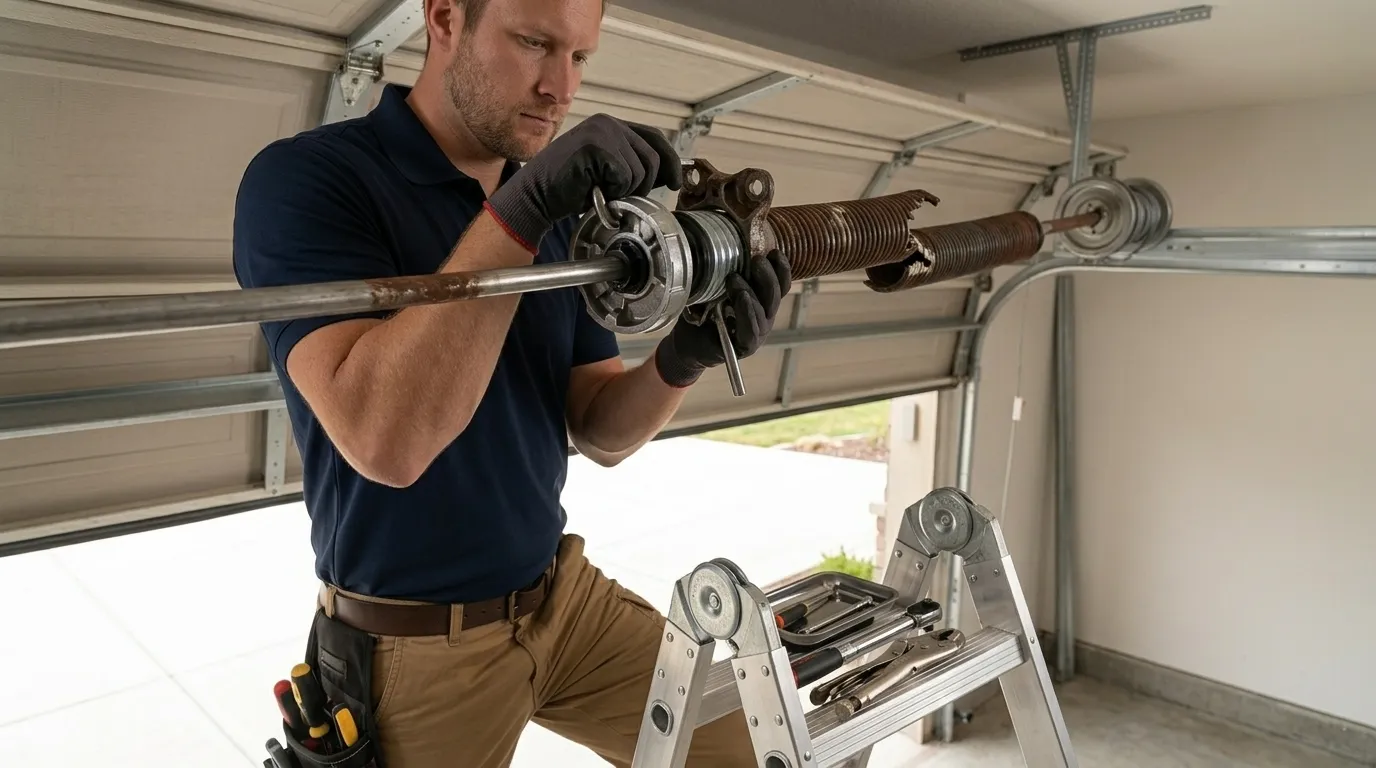
Garage Door Repair
Springs, cables, tracks, rollers, and openers fixed by a tech who explains the problem before touching anything.
Learn more →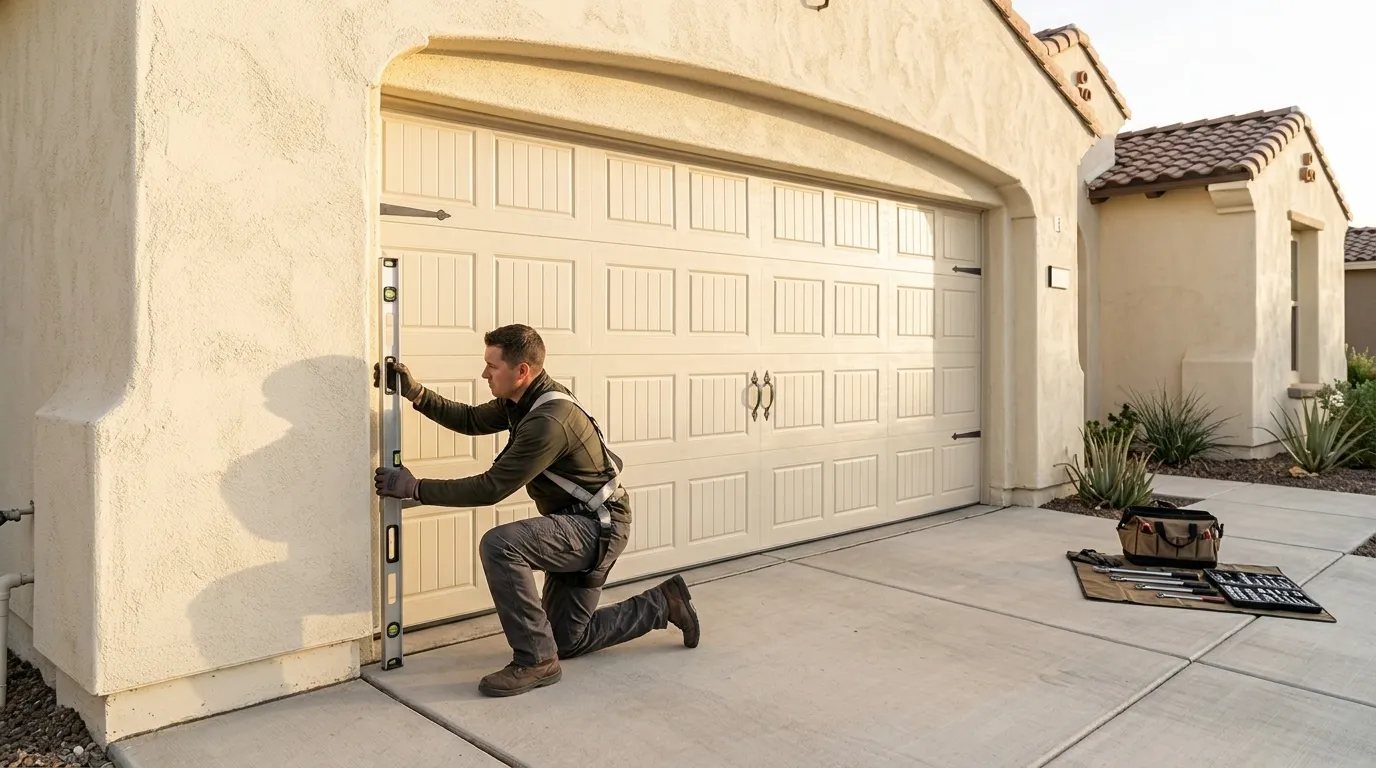
Garage Door Installation
New sectional doors sized and installed for the housing stock actually built in this area.
Learn more →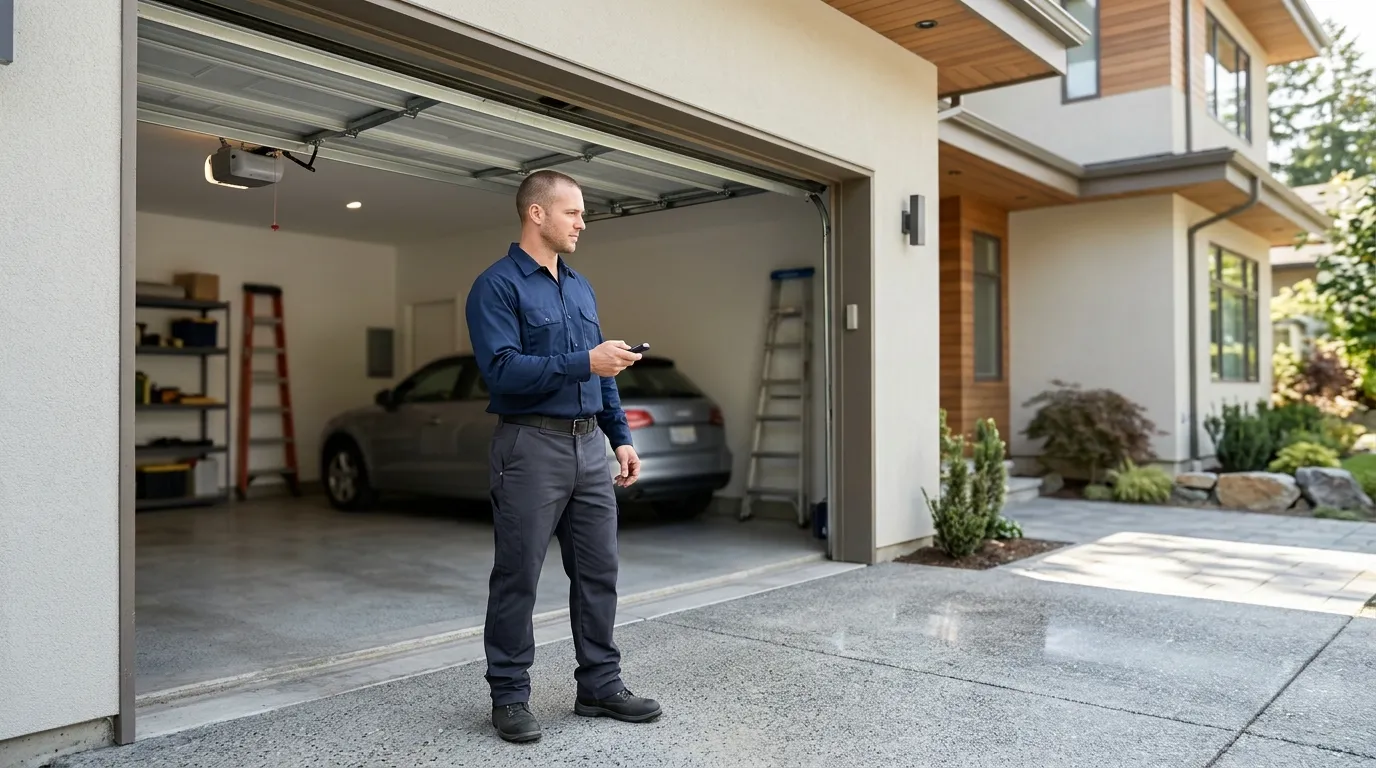
Garage Door Service
Tune-ups, lubrication, and safety checks that catch a small problem before it becomes a service call.
Learn more →Frequently Asked Questions
How do I know if my garage door is original to the house?
If your house was built in the 1938-1985 stretch common across Boston, check the track and jamb hardware - older track tends to be narrower gauge steel with different roller sizing than what's sold today. A technician can tell fairly quickly by looking at the spring mounting and track brackets whether it's original or been swapped.
Is it worth fixing a door that's over 40 years old?
Often yes, if the panels themselves haven't rusted through or rotted. A worn spring, track, or opener on an old but structurally sound door is usually cheaper to fix than to replace the whole unit. If the panels are the problem, that's a different call.
Why does my door get harder to open in winter?
Boston's cold-severe climate band means real freeze-thaw cycling every winter. Cold steel contracts, which tightens already-worn tolerances on old track and rollers, and it stiffens spring coatings. A door that's fine in fall can bind hard on the season's first freeze.
Have a Door That Needs a Second Opinion?
Call and describe what it is doing - we will tell you what it likely is.