
Service
Garage Door Repair for Boston's Older Housing Stock
Boston Garage Door Pros fixes springs, openers, and tracks on the city's older housing stock, built mostly 1938-1985, through New England's cold winters.
- Licensed & Insured
- Same-Area Service Calls
- Upfront Pricing
The DIY Question
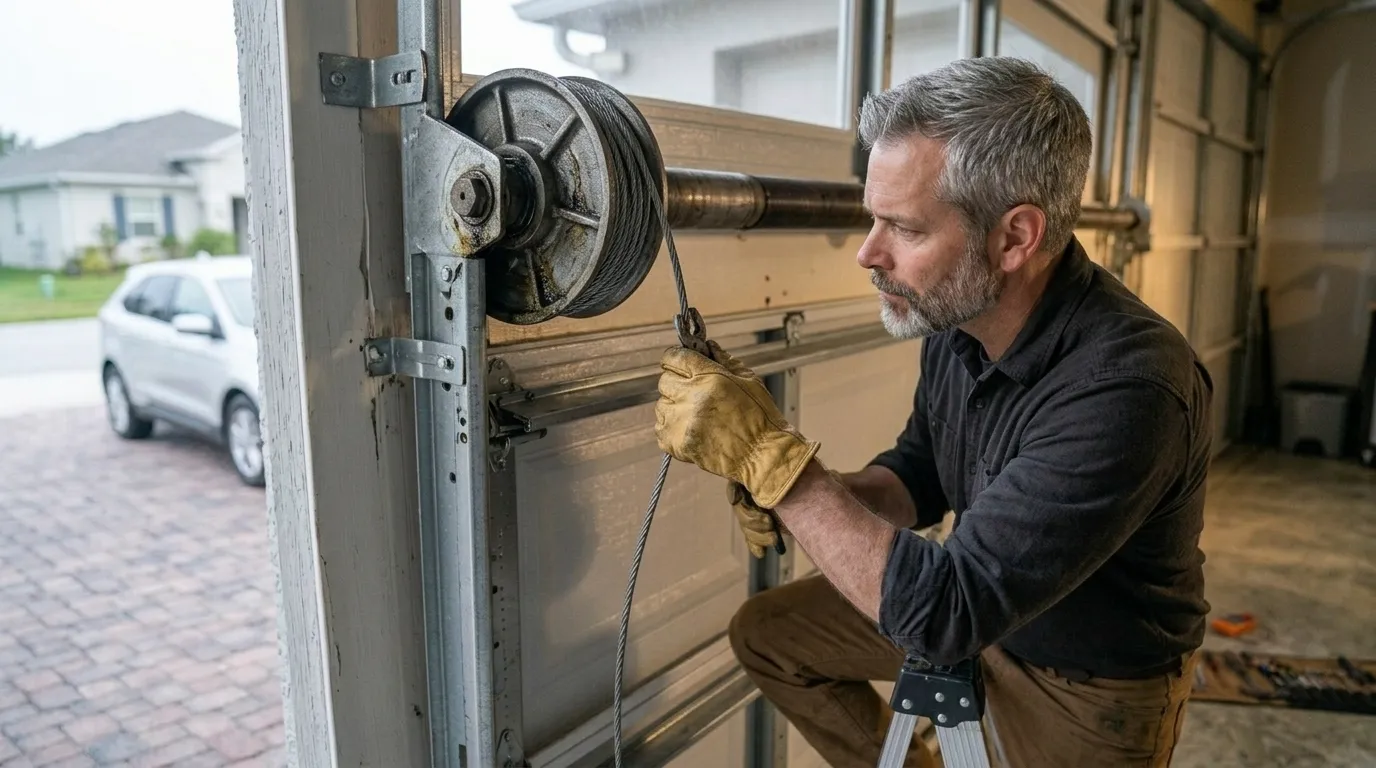
Most of what breaks on a Boston garage door is a torsion spring or a cable, and both are under enough load to put someone in the ER if the wind-up bar slips. That's true anywhere, but it matters more here because so much of the housing in this service area - think South Boston triple-deckers, East Boston two-families, the older stretches of Dorchester - was built between 1938 and 1985, with a lot of it dating to the 1960s and 70s. Doors that old often run on hardware nobody sells new anymore: odd-width tracks, non-standard drum sizes, spring wind patterns that don't match a big-box replacement kit.
You can safely handle a few things yourself: lubricating rollers and hinges, tightening loose bolts on the track brackets, checking that the photo-eye sensors are aligned and not caked in salt or road grit. Spring replacement, cable work, and anything involving the torsion bar itself is not a weekend project. If a panel is cracked from decades of freeze-thaw cycling, or the opener is grinding because the gearing has worn out, that's also a call-a-pro job.
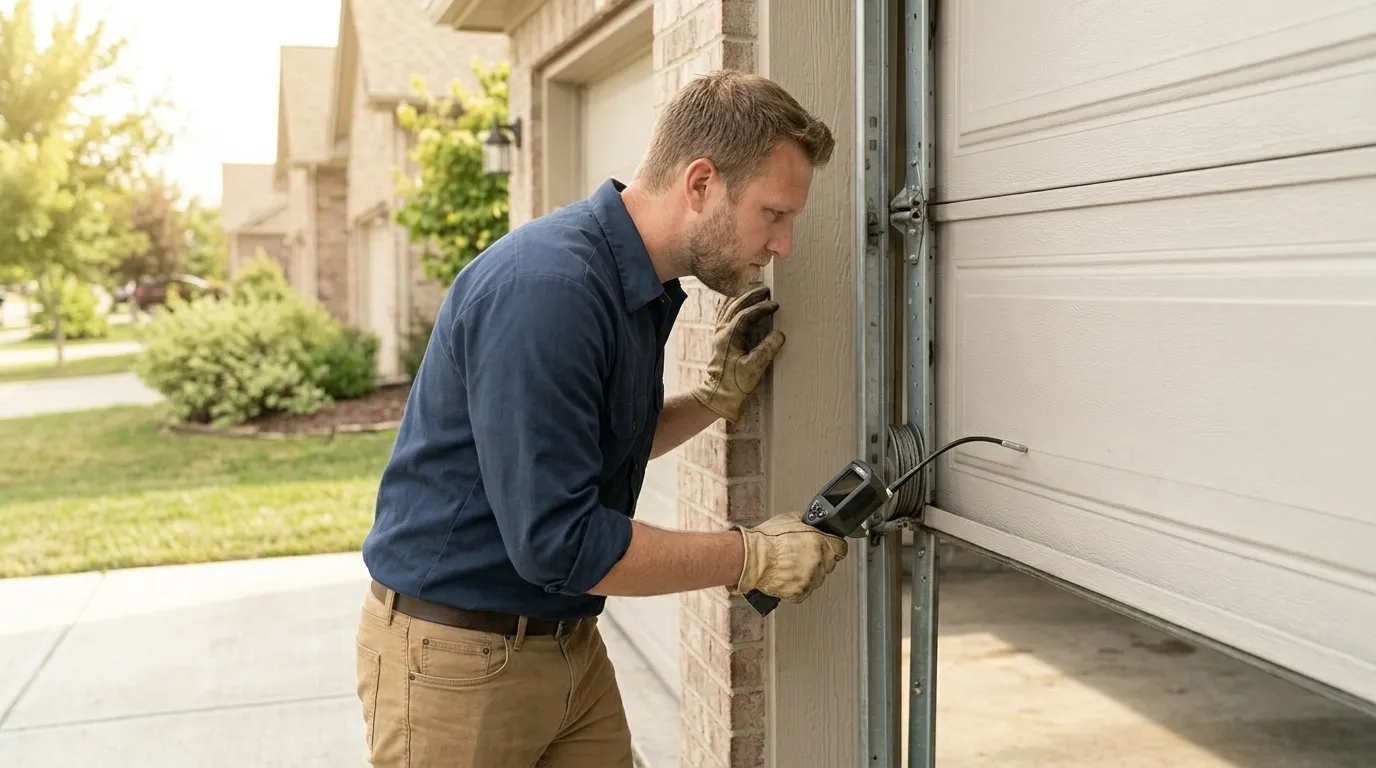
One honest limit: if your door and track are original to a pre-1960s build, we may need to source or fabricate parts rather than swap in something off the shelf, and that can add time to the job.
The Cost of This Job
We don't post a flat number for garage door repair because the range on a torsion spring job versus an opener swap versus a full panel replacement is wide, and it gets wider on older Boston housing where standard parts don't always fit. A house built in 1960 with its original steel track and a drum system from that era often costs more to repair than to partially replace, simply because matching hardware takes longer to source than a modern kit.
Household income in this service area runs well above the national median, which is worth mentioning only because it shapes what people ask for: more owners here choose full opener upgrades or insulated panel replacement rather than patching a 60-year-old door section by section. We'll tell you straight when a repair isn't worth it - if the springs, cables, and opener are all near end of life at once, replacement is usually the better spend than three separate service calls.
How It Shows Up
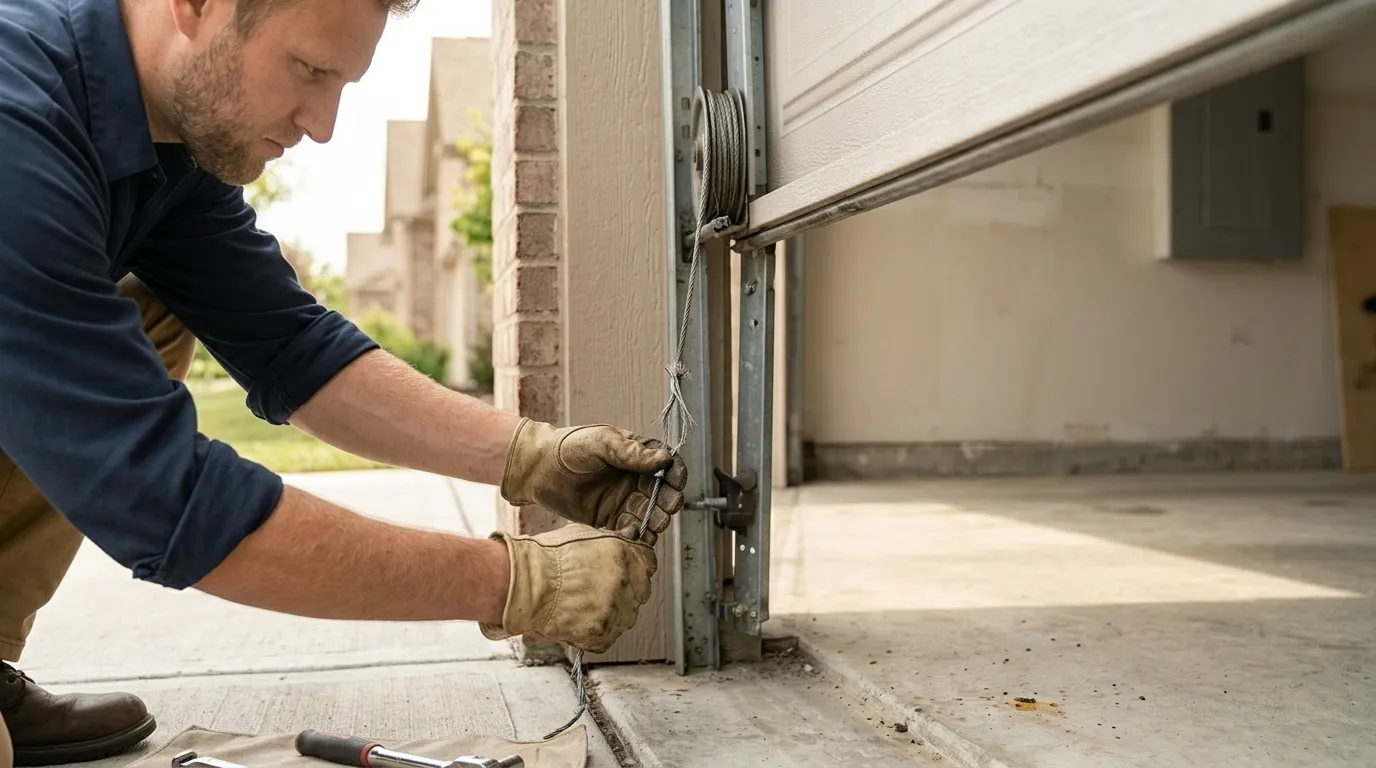
In this climate - Boston sits in a cold, severe winter band - a garage door failure rarely looks the same in July as it does in January. Cold makes steel springs more brittle and less forgiving; a spring that's been stretching thin all summer can finally give on the first hard freeze, usually right when you're trying to leave for work. You'll hear a loud bang from the garage, then the door won't lift, or it lifts a few inches and stops.
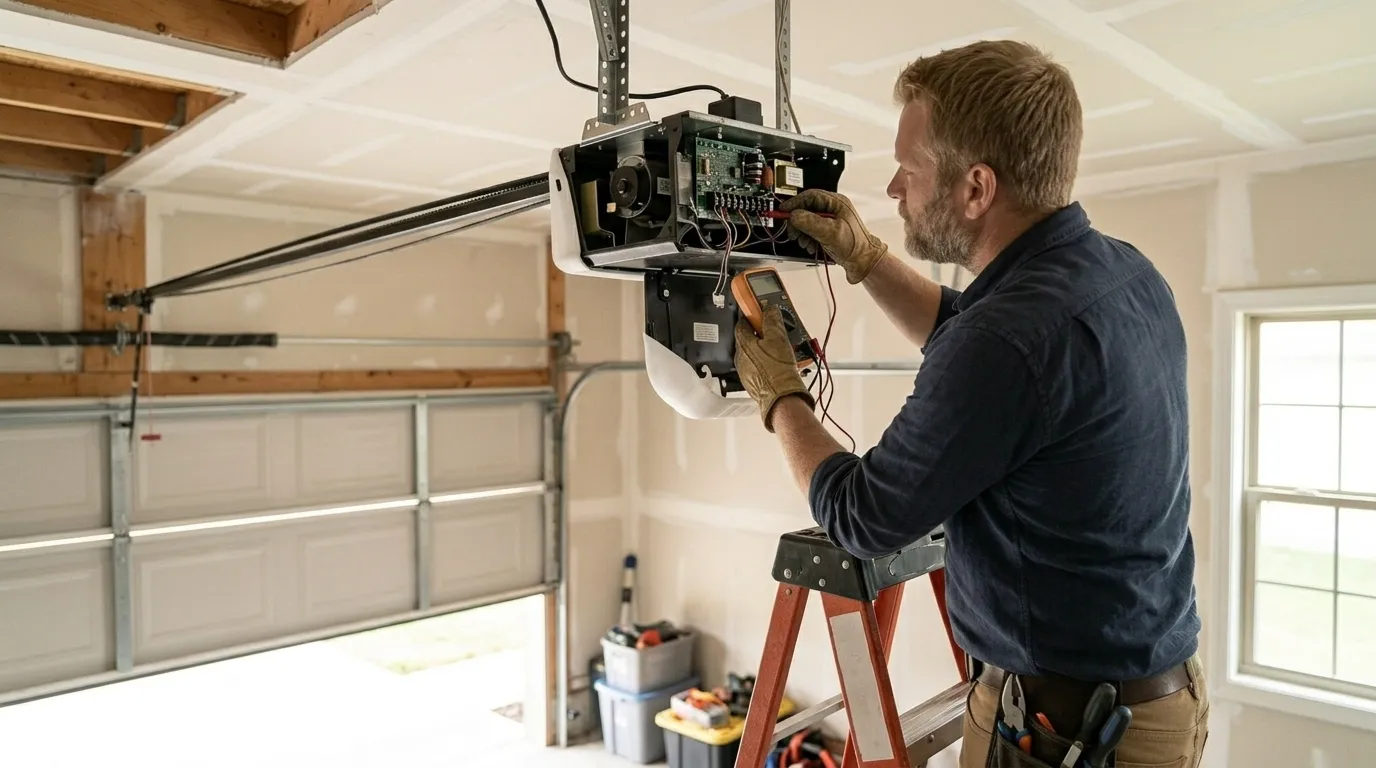
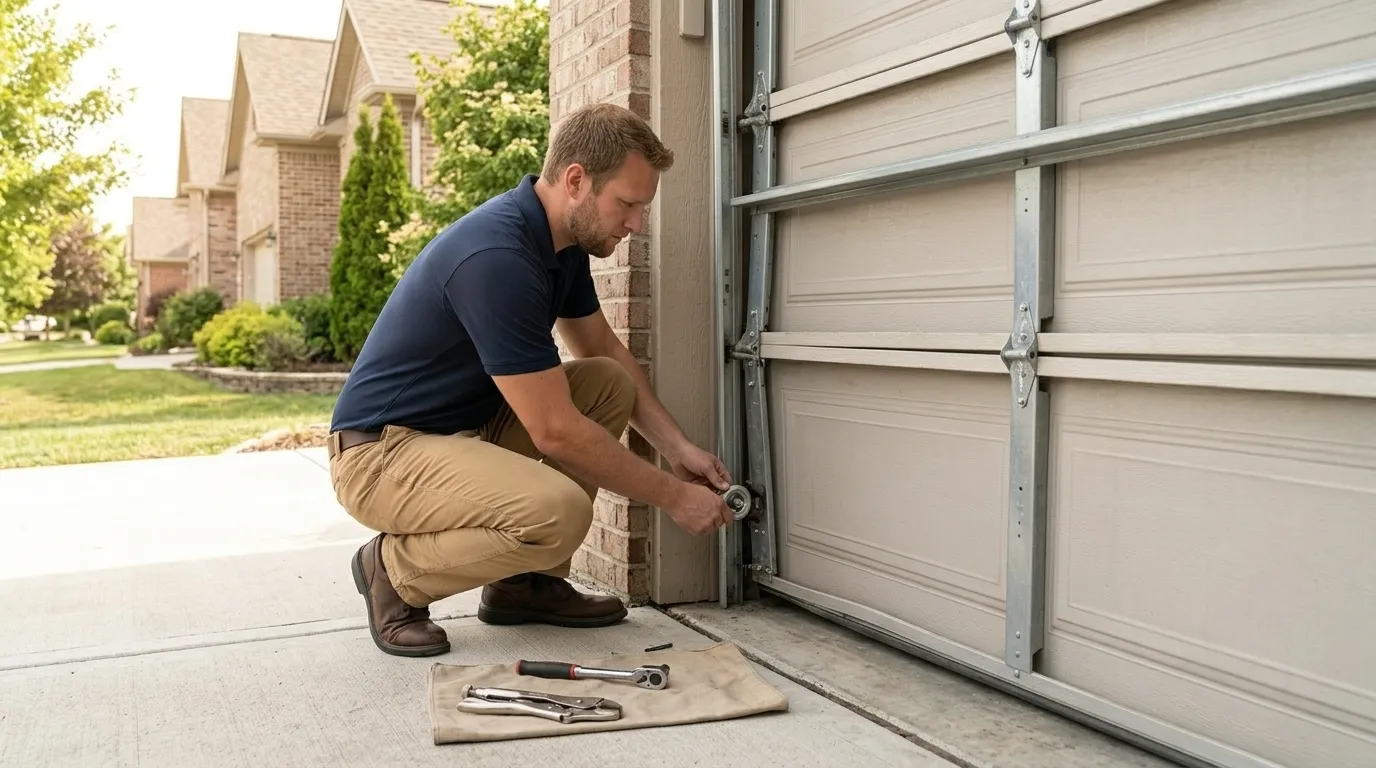
Openers show stress differently: the motor runs but the door doesn't move, or it reverses partway up for no clear reason, which is often a sign the drive gear has stripped from years of fighting a door that's slightly out of balance. Tracks in this service area, especially on houses close to the harbor side - South Boston, East Boston, Jeffries Point - take a beating from salt air as much as cold, so rollers seize and rust stains show up on the track walls well before the rest of the door looks worn.
What Causes It Around Here
The root cause, more often than not, traces back to the age of the housing itself. With most of the stock in this service area built between 1938 and 1985 and a lot of it dating to the 1960s and 70s, original hardware has simply run its expected life span - springs are rated in cycles, not years, and a 60-year-old spring has seen a lot of cycles.
Add in a genuinely cold winter climate that stiffens metal and puts extra strain on the opener's lift capacity, and you get a predictable pattern: openers failing in the first cold snap, cables fraying at the drum from decades of freeze-expansion, and tracks pulling out of alignment in houses that have settled over sixty-plus years. Detached garages and older attached bays across neighborhoods from South Boston to Dorchester to the inland areas near Roxbury and Mission Hill all show this same wear pattern, just on different timelines depending on when the door was last serviced.
Why Boston Calls Us
What Happens When You Call
Call or Request a Quote
Tell us what the door is doing and roughly how old the house is - that alone points us toward the likely part before a truck leaves.
On-Site Diagnosis
A tech checks the spring, cables, tracks, and opener in person and tells you plainly what is actually wrong.
Straight Price, No Surprises
You get a number before any work starts. It covers parts and labor, nothing added after the fact.
Fixed the Same Visit
Most repairs are done in one trip. If a part needs sourcing, we tell you that upfront instead of guessing.
Talk to a Technician Before You Book
Describe what the door is doing and get a straight answer on what it likely needs.
Jobs Like Yours
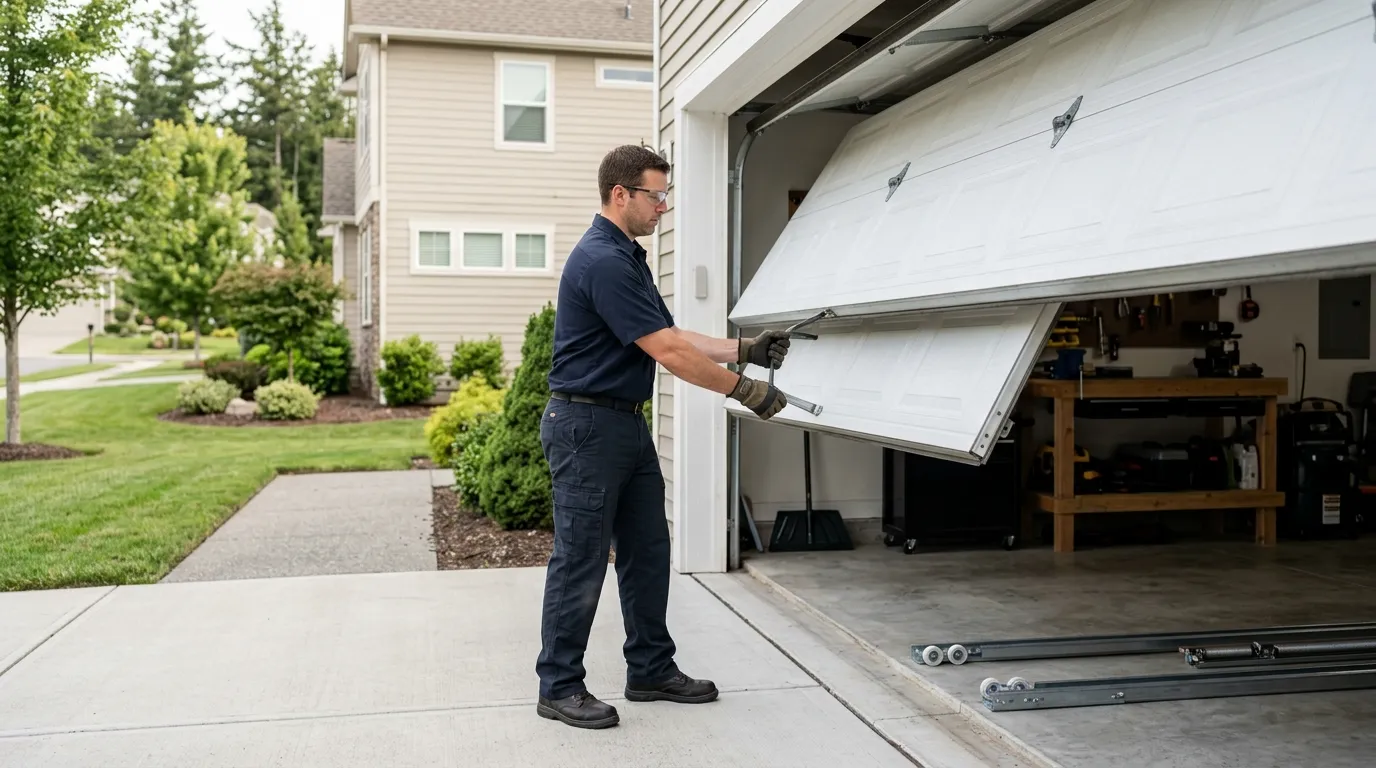
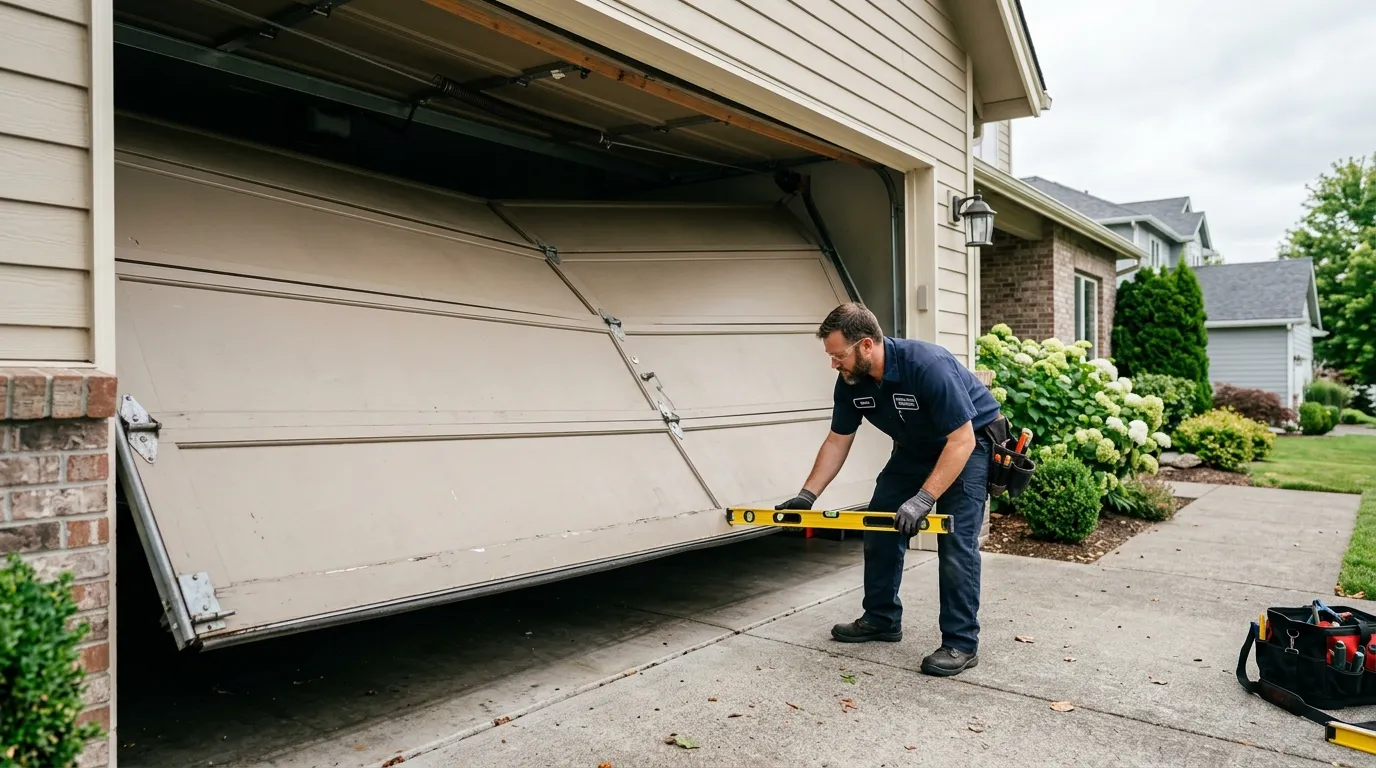
Recent work from this service line.
Other Ways We Can Help
Frequently Asked Questions
How old does a garage door have to be before parts get hard to find?
Once you're into original hardware from a house built before the 1970s, standard drum and track sizes often don't match what's sold today. We can usually source or adapt parts, but it can take longer than a same-day fix on a newer door.
Why did my spring break in the middle of winter?
Cold makes steel springs more brittle, and Boston sits in a severe cold-winter band. A spring that was already near the end of its cycle life often lets go on the first hard freeze rather than gradually weakening.
Is it worth repairing an opener from the 1970s or 80s?
Sometimes, but the gearing and drive components on openers that old are often past the point where a single part swap fixes it for good. We'll look at the whole unit before recommending repair over replacement.
Do you serve houses near the harbor differently than inland ones?
The failure mode shifts more than the service does. Houses near South Boston or East Boston tend to show rust and roller seizing from salt air sooner, while inland homes near Roxbury or Mission Hill see more straightforward age-related wear.
Need Garage Door Repair for Boston's Older Housing Stock?
Call now for straight answers on cost and timing.