
Boston Garage Door Guide
What a Boston Technician Looks at Before Touching Your Door
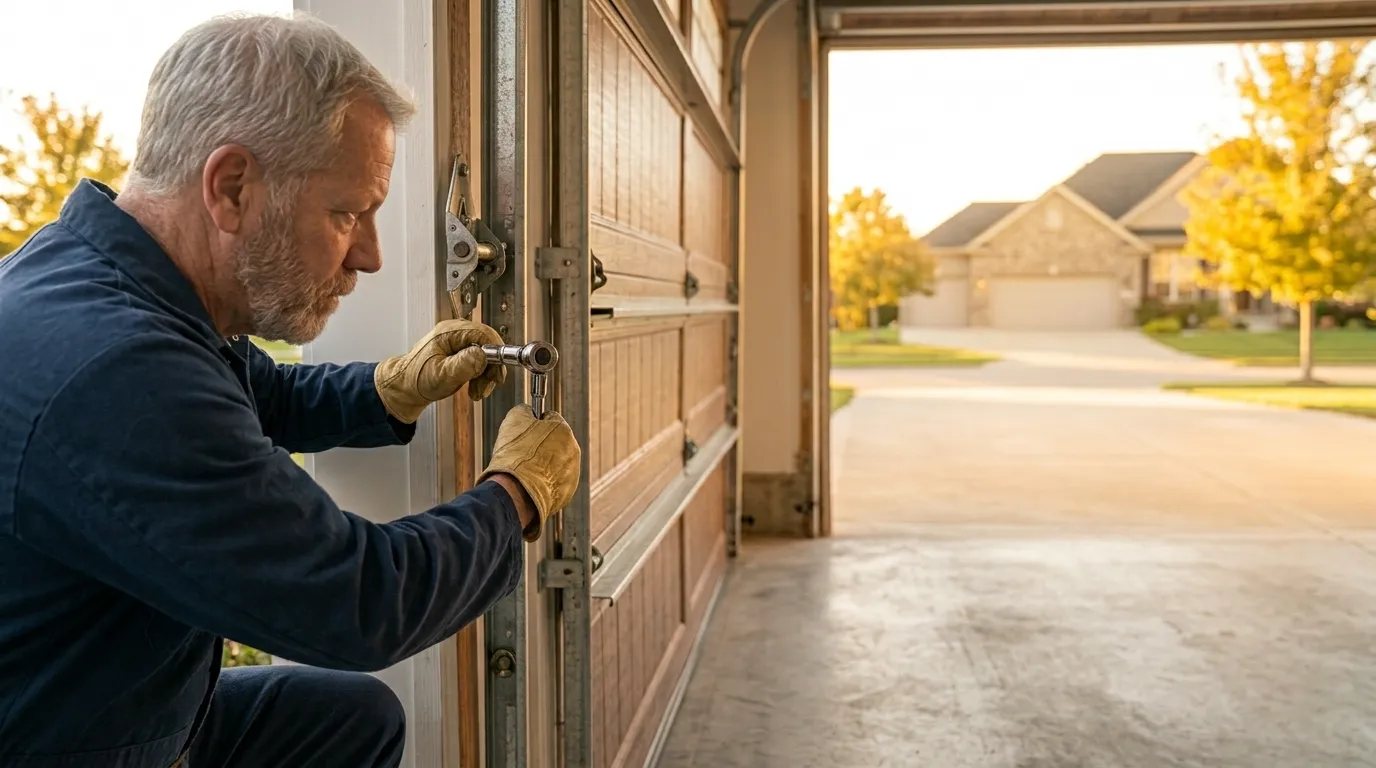
Boston homes mostly went up between 1938 and 1985, and our winters are hard on garage doors. Here's what we check first before touching a spring or opener.
- Licensed & Insured
- Same-Area Service Calls
- Upfront Pricing
The Cost of This Job
We can't quote a number here without seeing the door, so we won't pretend otherwise. What drives the price on most Boston calls is age and what's original versus already replaced. A house built in the 1950s or 60s - which covers most of the stock from South Boston to Dorchester to the streets out toward Milton - often still has its original torsion spring and a track set that predates modern opener safety standards.
Swapping a spring on that setup is different work, and different cost, than servicing a ten-year-old system. If the door has been retrofitted piecemeal over decades, which happens a lot in neighborhoods like Charlestown and Jeffries Point where houses sit close and get worked on room by room, a tech has to figure out what generation of hardware is actually on the wall before naming a price. That's the honest limitation: we give real numbers on site, not over the phone, because guessing on a house this old usually guesses wrong.
When to Get Help
Call before the door comes off the track, not after. A door that's slow to close or drifts sideways on a house built when this one was - 1938 to 1985 is the range across the service area, with 1960 as the median - is telling you the torsion spring or the cable is near the end of its life, not that the opener needs a reset. Ice on the bottom panel in January that won't fully clear before the door tries to seal is another one worth a call, not a wait-and-see.
If a cable has already jumped its drum, stop using the door. That's a heavy panel held by a spring under real tension, and on the older side-mounted torsion setups common in this housing stock, a jumped cable can let a panel drop fast.
The Situation
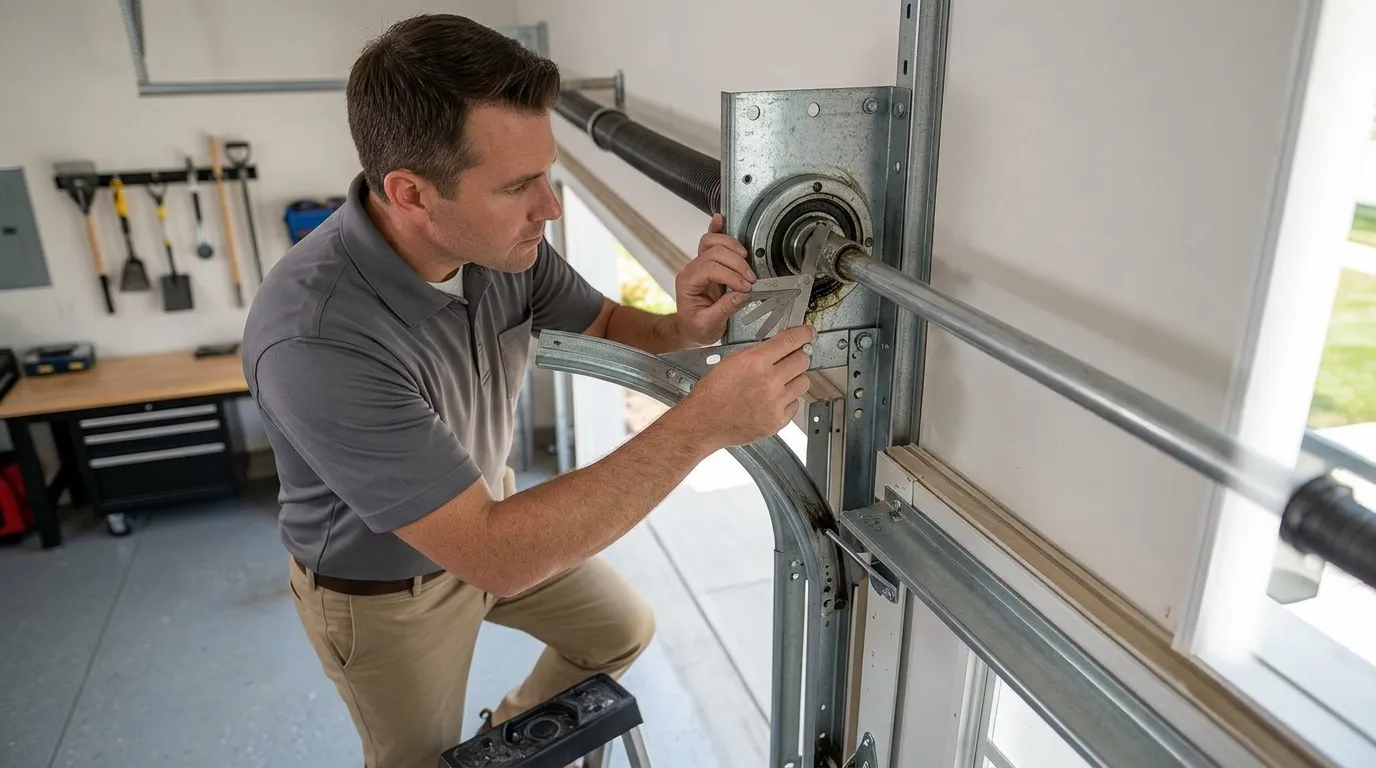
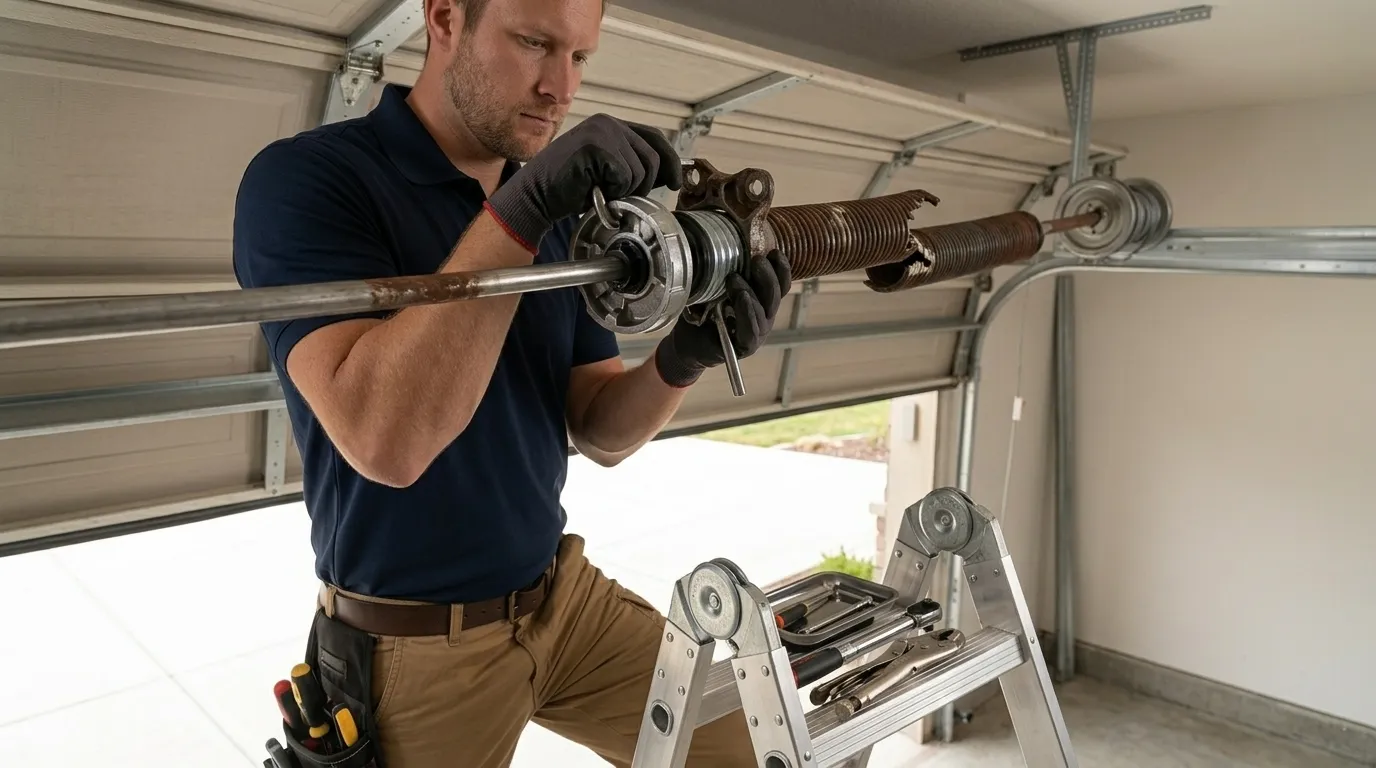
Most of what we roll up on falls into one of two buckets: original hardware from the 1960s-70s building wave that's simply worn out, or a newer opener bolted onto old track that was never squared to match it. Across the 66 named areas we cover, from the dense triple-deckers near Fenway-Kenmore to the single-family stock out past Hingham and Canton, the door itself is usually the last thing to actually fail - it's the spring, the rollers, or the cable drum. We check the spring wind first, then roller wear, then track alignment, in that order, because chasing an opener problem on a door with a dying spring wastes a service call.
What the Weather Here Does to It
Boston sits in a cold-severe climate band, and that shows up in specific ways on a garage door. Steel contracts in deep cold and swells the gap tolerances on tracks that were installed decades ago to looser standards, so doors that ran fine in October start binding in January. Galvanized springs lose a little tension in sustained cold, which is why a spring that was borderline in fall can snap on the first hard freeze.
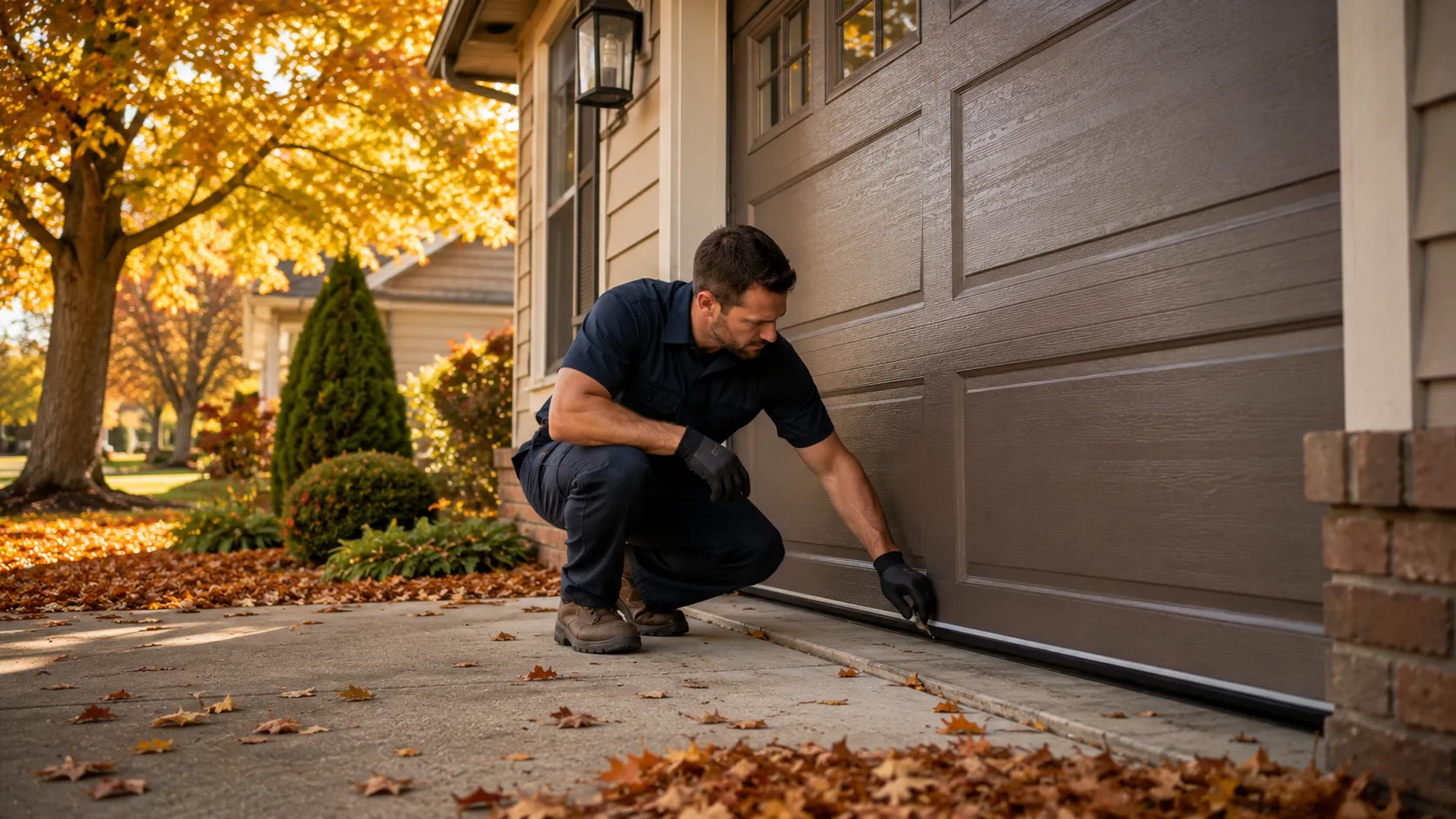
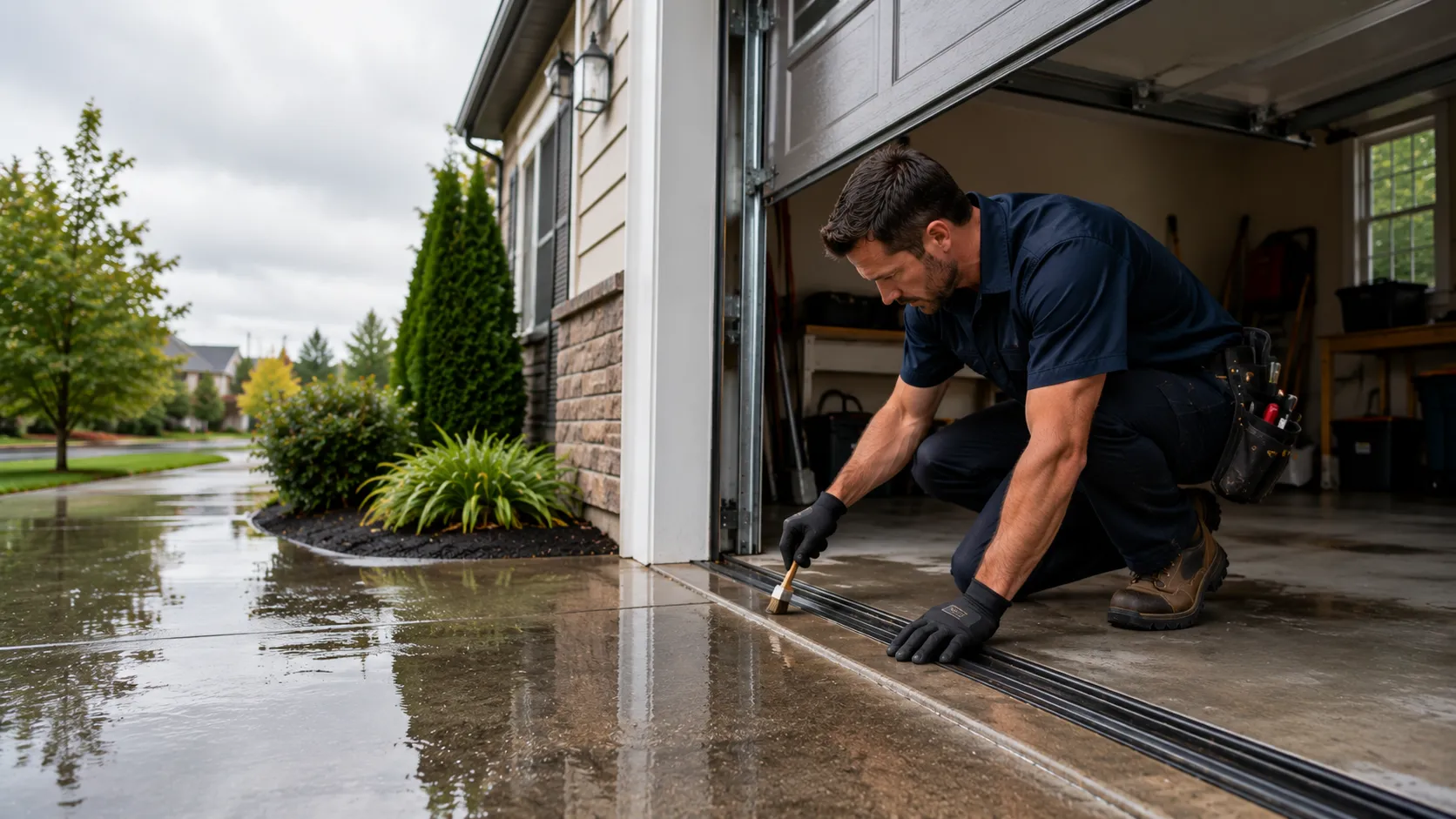
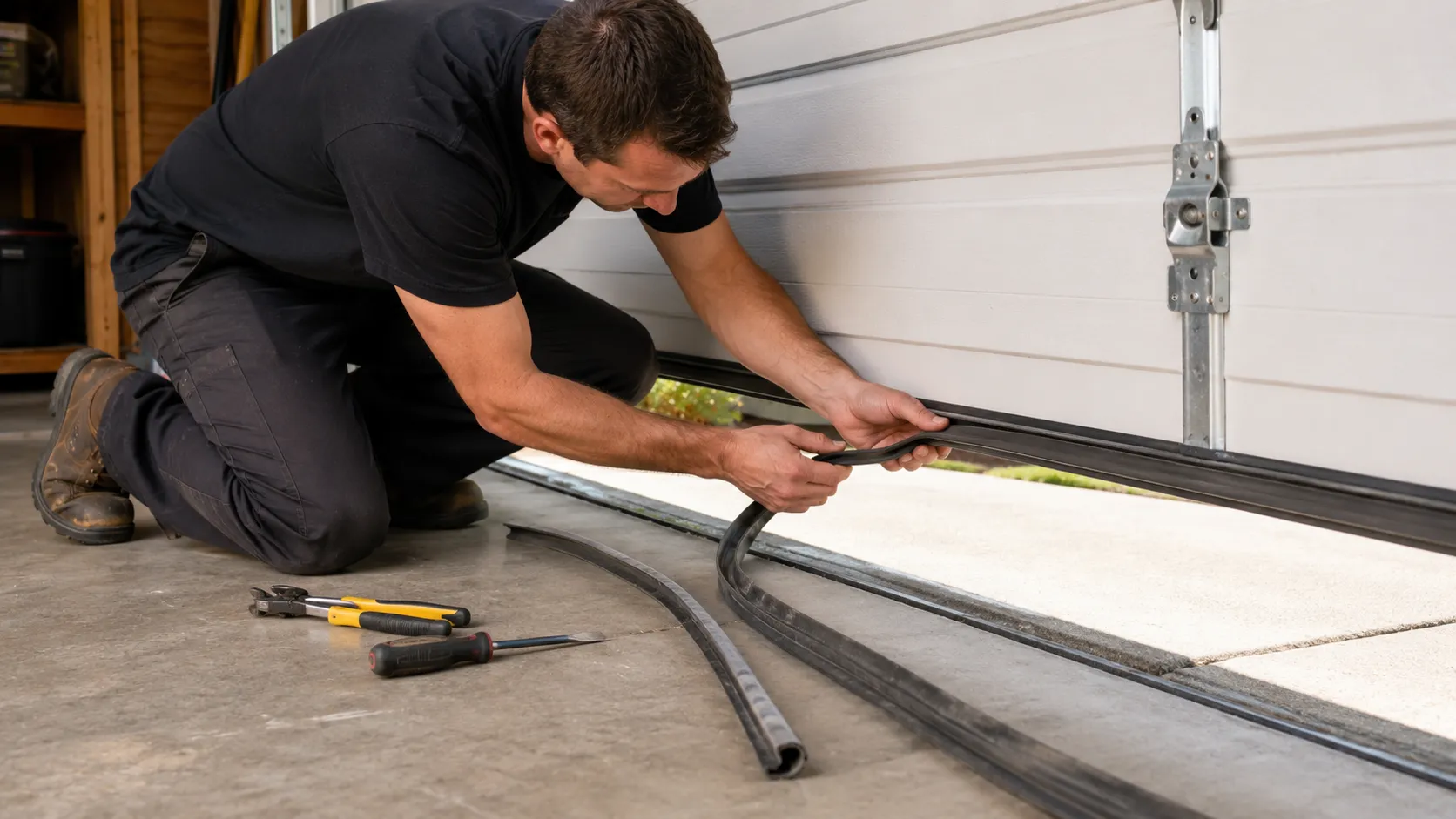
We also see bottom seals crack and split from repeated freeze-thaw, especially on doors facing north or getting shadowed most of the day, which is common on the tighter lots in Charlestown and East Boston. First thing a tech does on a winter call is run the door by hand, off the opener, to feel where the resistance actually is before blaming the motor.
How We Can Help
Garage Door Repair
Springs, cables, tracks, rollers, and openers fixed by a tech who explains the problem before touching anything.
Learn more →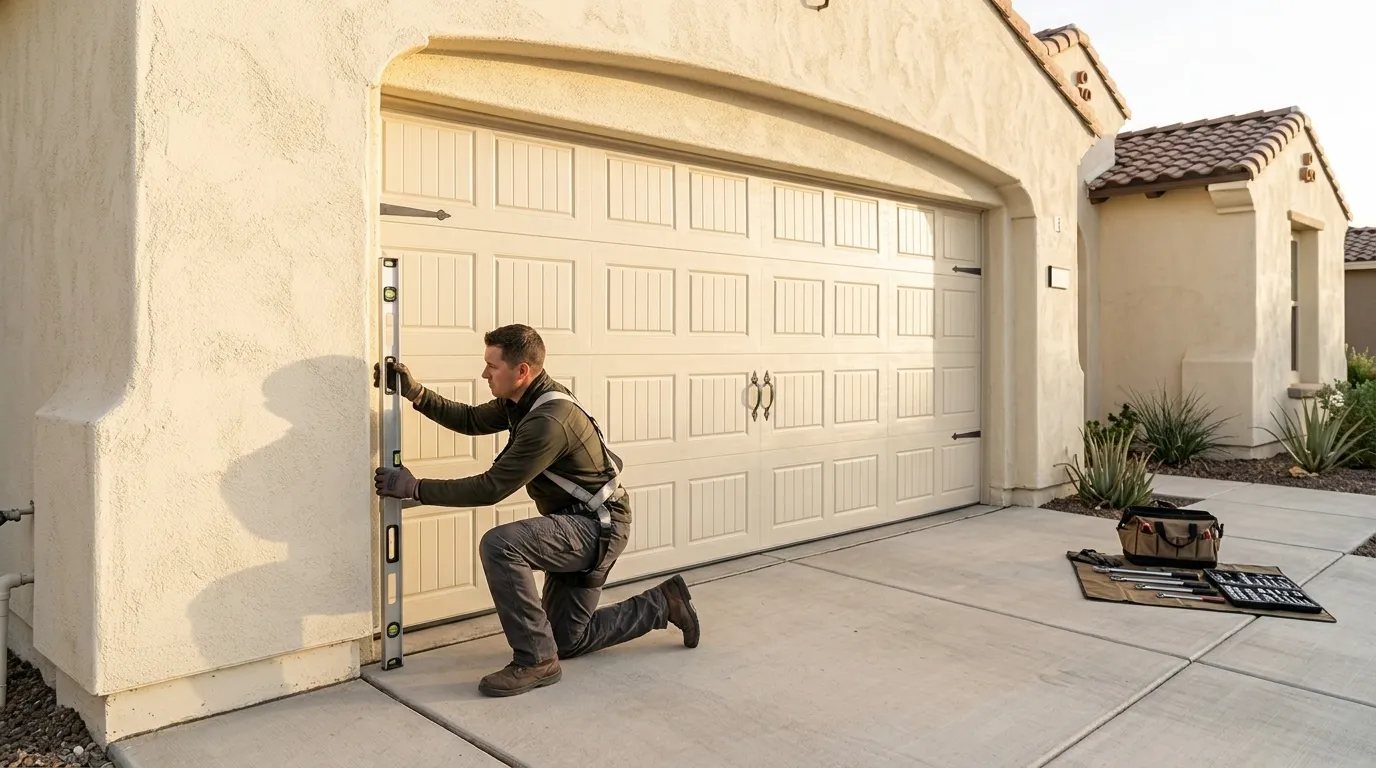
Garage Door Installation
New sectional doors sized and installed for the housing stock actually built in this area.
Learn more →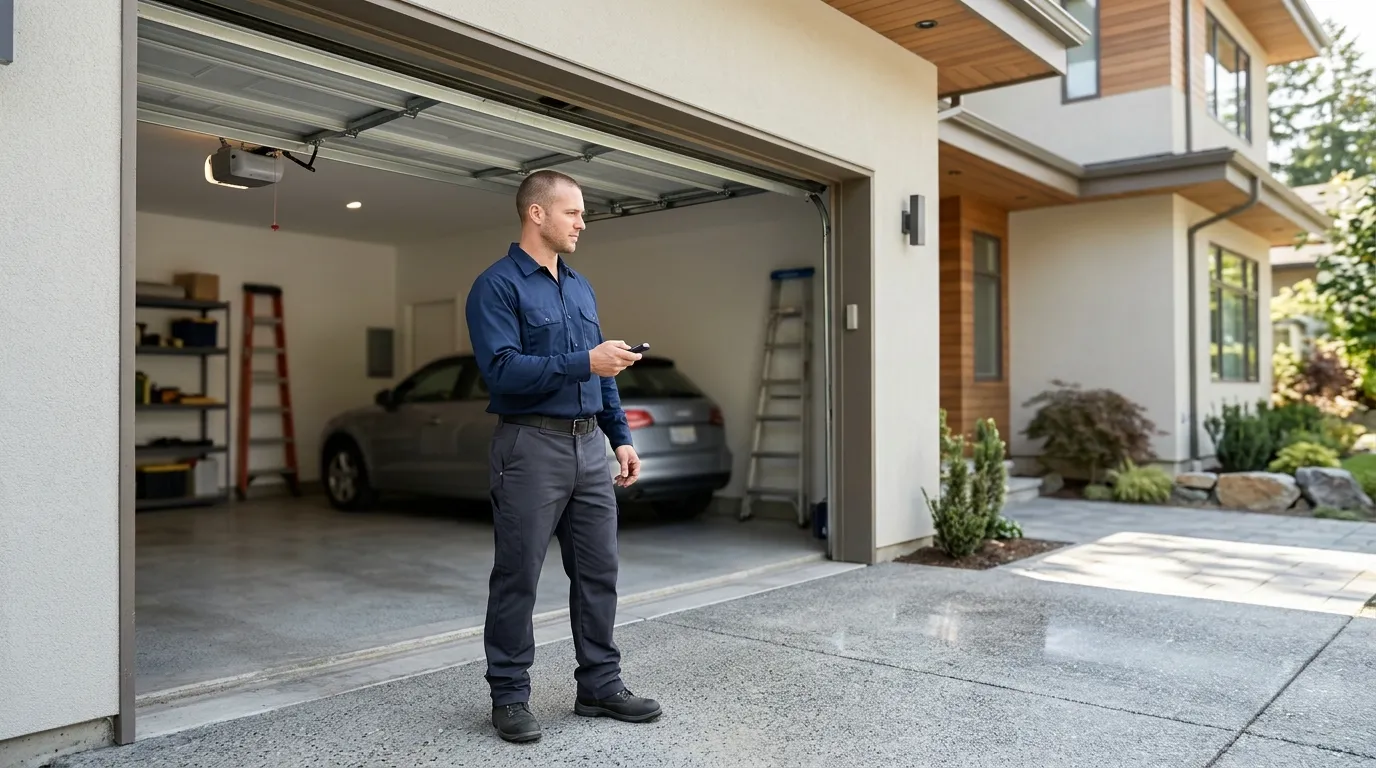
Garage Door Service
Tune-ups, lubrication, and safety checks that catch a small problem before it becomes a service call.
Learn more →Frequently Asked Questions
Why does my garage door stick only in winter?
On houses from the 1938-1985 building wave that make up most of Boston's stock, track tolerances were set looser than modern spec. Cold makes steel contract, tightening those gaps further, and a spring that's already lost some tension from age binds harder against a tighter track. It's rarely one single cause - usually track alignment and spring wear compounding each other.
Is my door's hardware original to the house?
If the house was built in the 1950s or 60s, which covers a lot of the area, there's a real chance the torsion spring and track are original or close to it. A tech can tell quickly by looking at the spring winding cones and drum style - older side-mounted torsion setups look distinctly different from anything installed in the last 15 years.
Do you serve neighborhoods outside Boston proper?
Yes, our service area covers dozens of named areas including Dorchester, Charlestown, South Boston, and towns like Chelsea, Everett, Quincy, and Somerville within a few miles of downtown. Call to confirm your specific street.
Have a Door That Needs a Second Opinion?
Call and describe what it is doing - we will tell you what it likely is.