
Boston Garage Door Guide
When Repair Stops Making Sense on a Boston Garage Door
Boston homes mostly date to 1938-1985, and cold winters are hard on old torsion hardware. Here's how to tell when a repair still makes sense here.
- Licensed & Insured
- Same-Area Service Calls
- Upfront Pricing
The Cost of This Job
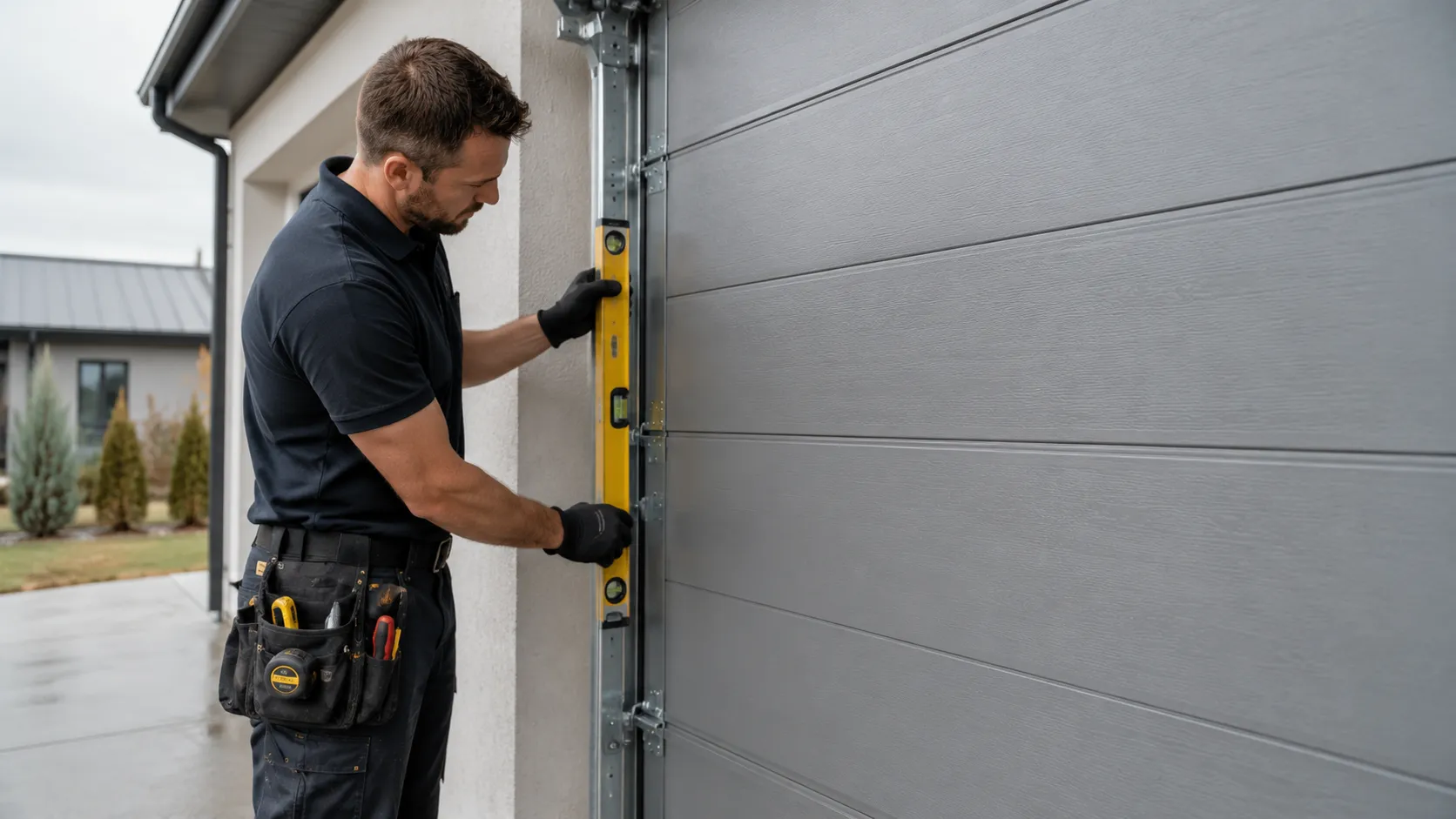
We don't have a price list to hand you here, so this isn't about a dollar figure - it's about what you're paying for. A lot of the housing stock in this service area went up between 1938 and 1985, with the median build year sitting around 1960. That means a good share of the doors and openers still in service are original or close to it, running on torsion hardware and track sizes that newer parts don't always match cleanly.
When a spring or cable fails on one of these older setups, the labor to source a compatible part and adapt it can run longer than a straight swap on a newer door. Past a certain point, that adaptation labor is money spent keeping an old system alive instead of buying a door built for how the house actually gets used now. If your opener and track are original to a 1960s build, ask us to price the repair against a full replacement before you commit - on doors this age, the gap is often smaller than people expect.
We won't tell you to replace a door that only needs a new roller or a lube job. But we also won't quietly keep patching a track that's been shimmed twice already.
When to Get Help
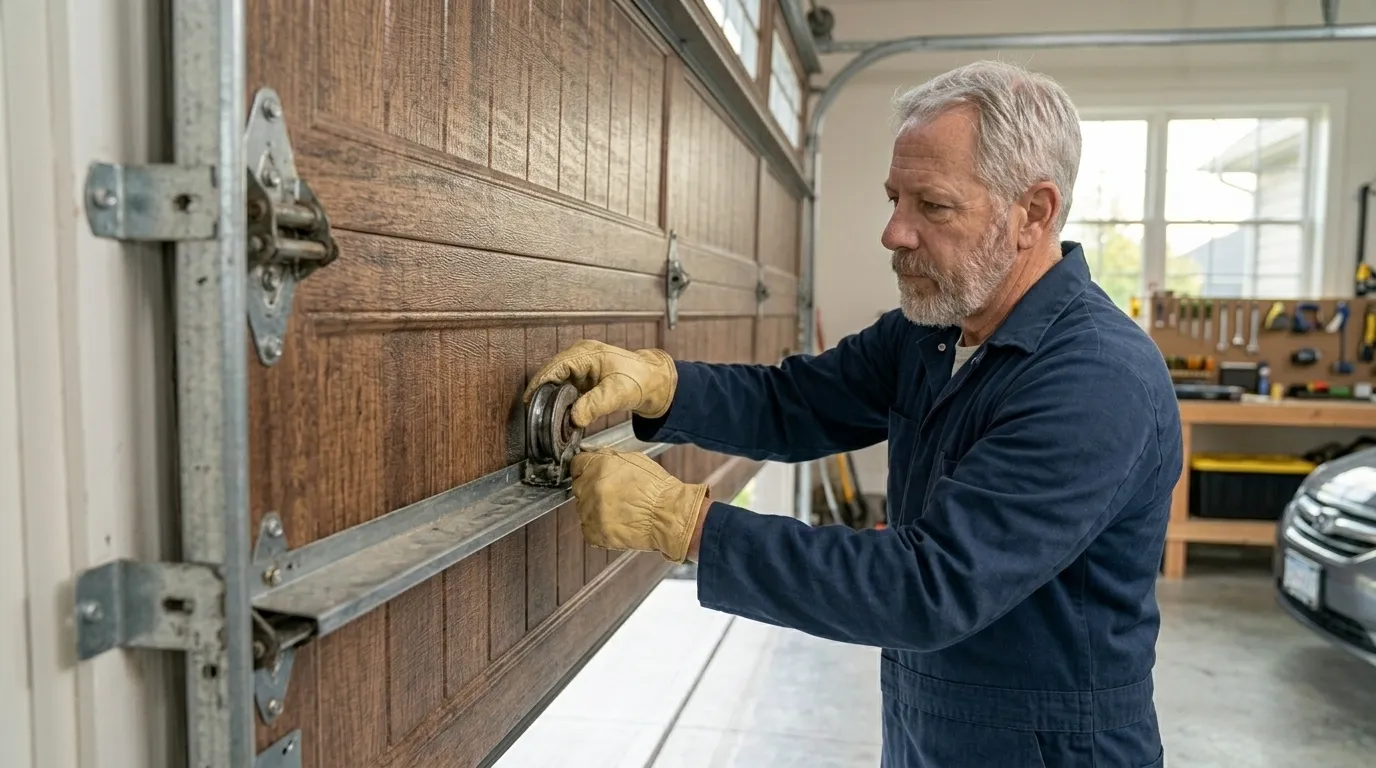
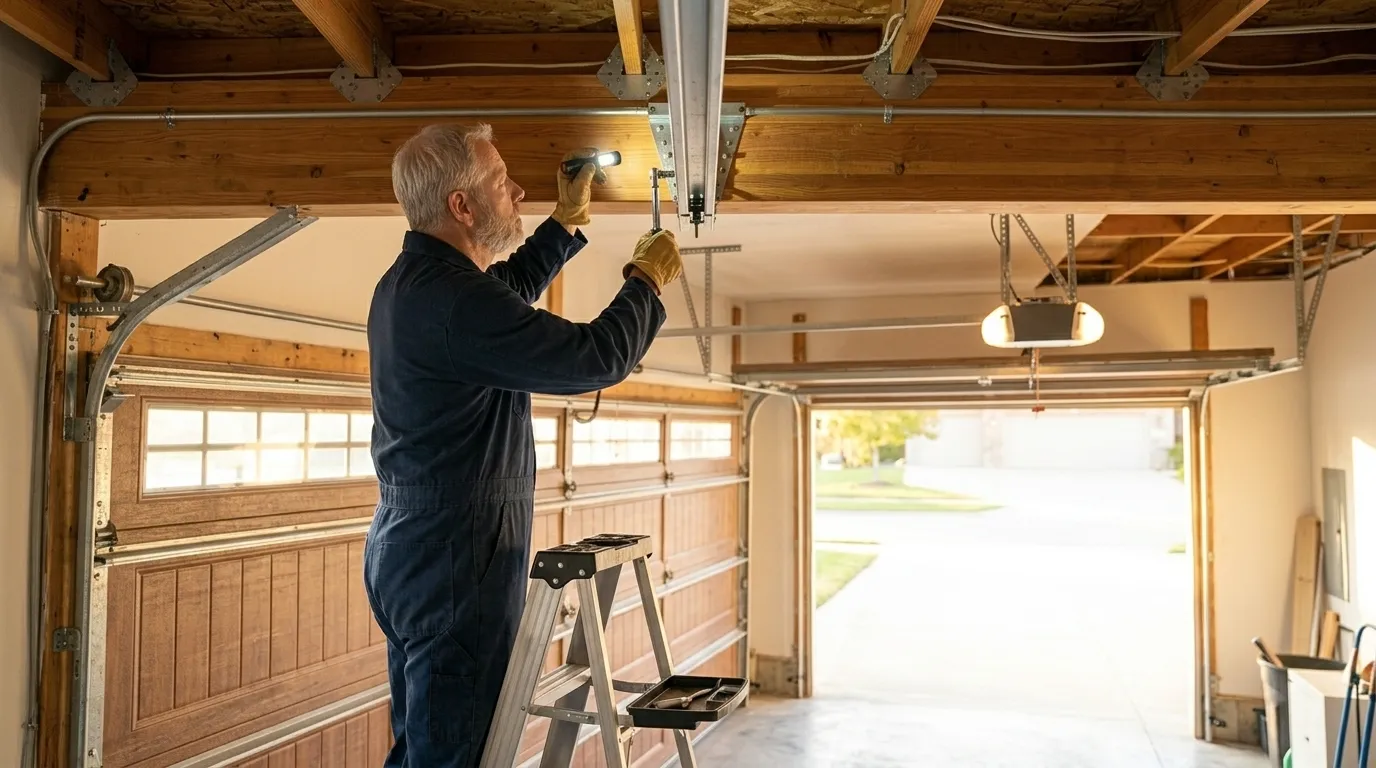
Call before the door fails all the way, not after. A torsion spring that's lost tension will show it as a heavier lift, a door that won't stay up on its own, or a loud bang from the spring itself letting go. On the housing stock common here - built mostly in the 1960s and 70s across the 66 neighborhoods and nearby towns we work in - that spring is often original or a first replacement, meaning the rest of the hardware around it (drums, bearing plate, center bracket) has seen the same decades of wear.
If the door is off its track, if a cable has jumped the drum, or if the opener is straining and reversing on its own, that's a same-day call, not a weekend project. One thing we don't do: cosmetic panel-matching on discontinued door lines. If a single panel on an old door is dented and the model's been out of production for years, we'll tell you straight that a full door replacement is the honest fix, not a mismatched patch.
The Situation
This service area covers roughly 740,033 households, with about 241,531 of those owner-occupied houses - the kind of stock where the garage door is a fixture nobody's replaced since the house was built. Median household income across the area sits at $135,498, which tells you owners here can usually afford to replace rather than nurse along a door that's failing weekly, but plenty choose to repair anyway because the door still does its job. We cover close-in neighborhoods like South Boston, East Boston, Charlestown, and Dorchester, along with towns from Chelsea and Everett a few miles out to Lexington and Salem further afield.
The mix matters: a door in a tight 1960s rowhouse setup faces different clearance and track issues than one in a detached house in Milton or Canton. When we look at whether a job is worth repairing, the house's age and the door's age both factor in - and on stock built between 1938 and 1985, that age is usually working against the parts, not for them.
What the Weather Here Does to It
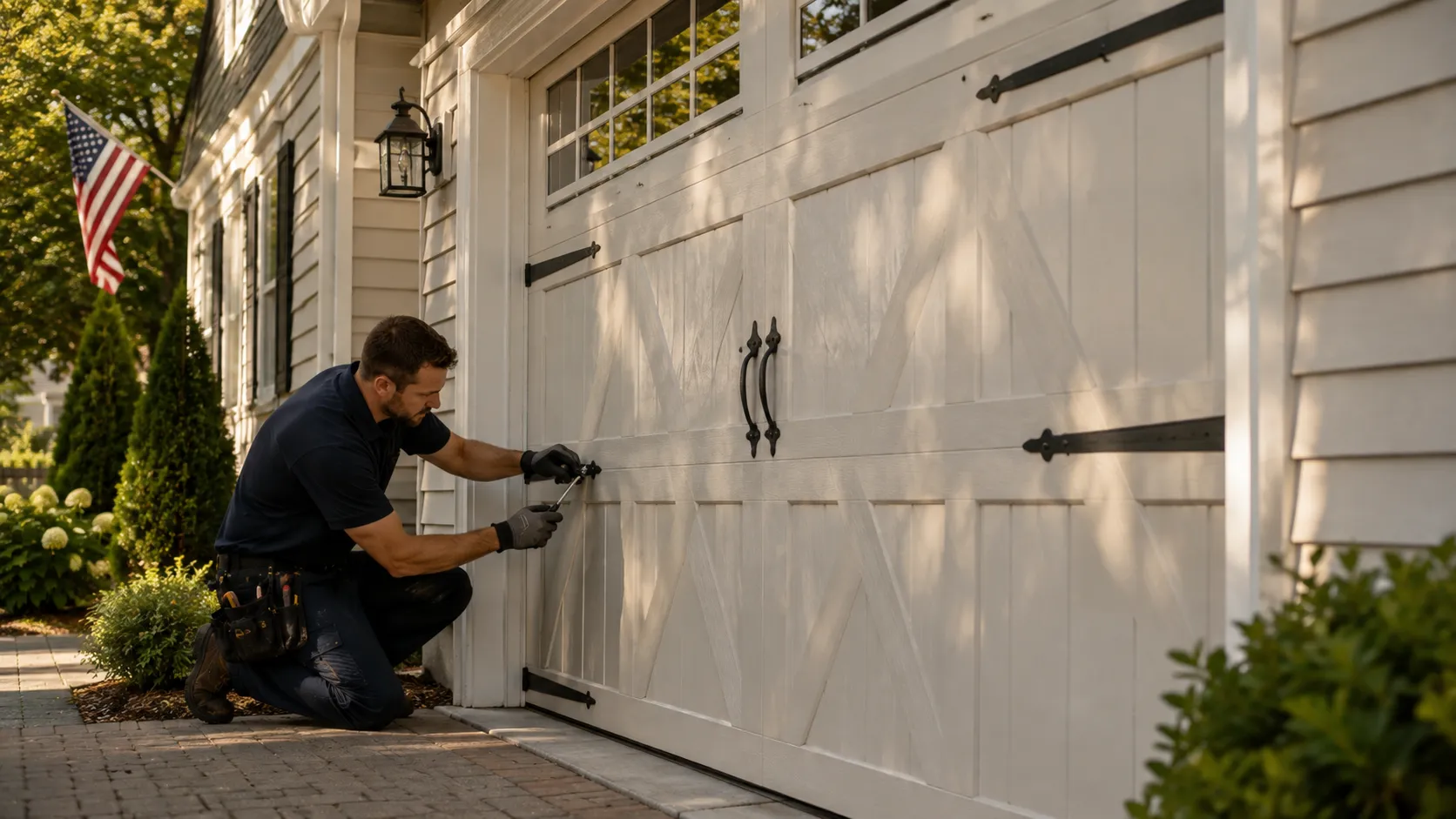
This area sits in a cold, severe climate band, and that's the single biggest reason repairs on older doors stop being worth it. Steel torsion springs lose tension faster through repeated freeze-thaw cycling than they would in a milder climate, and openers with aging drive gears strain harder pulling a door that's stiffened up in cold weather.
On a door that's already 20 or 30 years into a 1960s-era build, a winter of that stress is often what pushes a marginal spring or a worn bearing plate into outright failure. If you're already on a second spring replacement and the opener is starting to labor on cold mornings, that's usually the point where we'd tell you a new door and opener pair, sized and balanced for how this climate treats hardware, beats another round of patching the old one.
How We Can Help
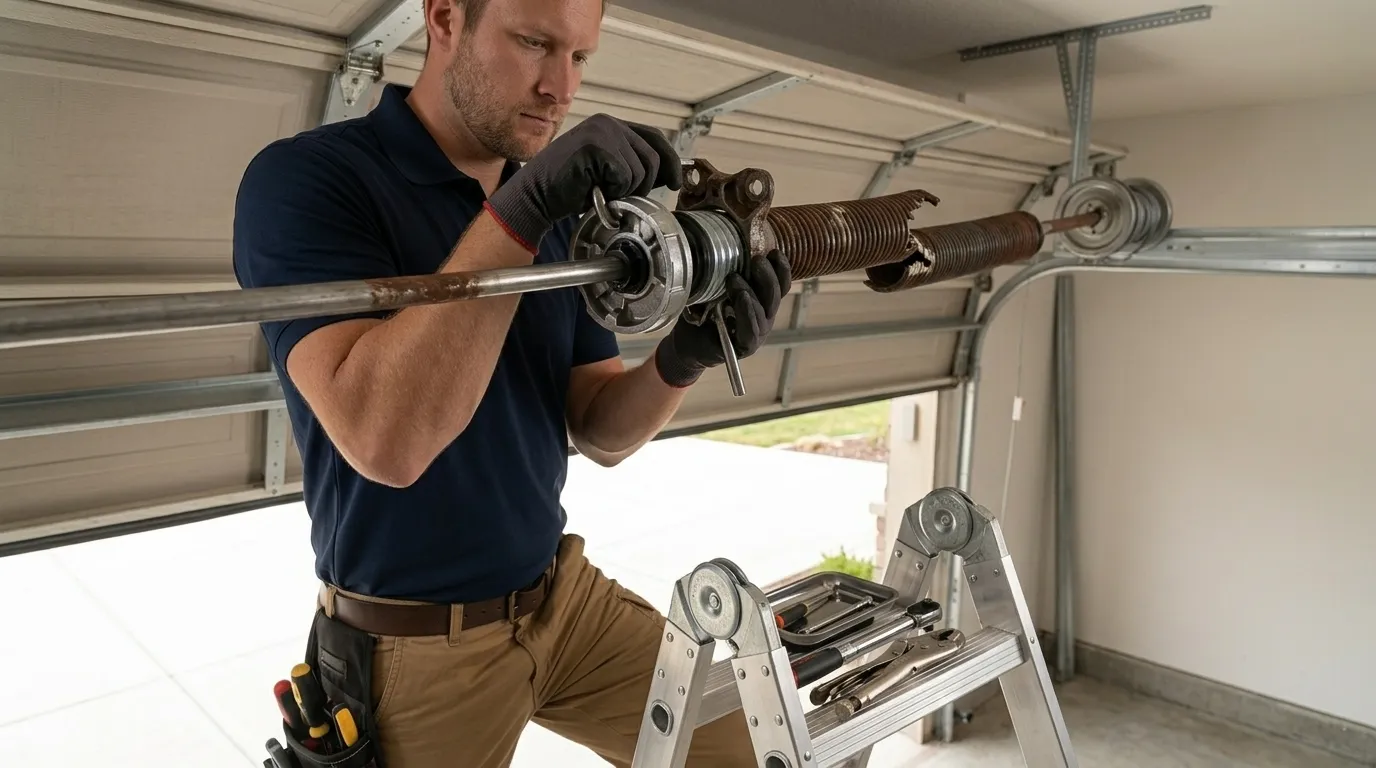
Garage Door Repair
Springs, cables, tracks, rollers, and openers fixed by a tech who explains the problem before touching anything.
Learn more →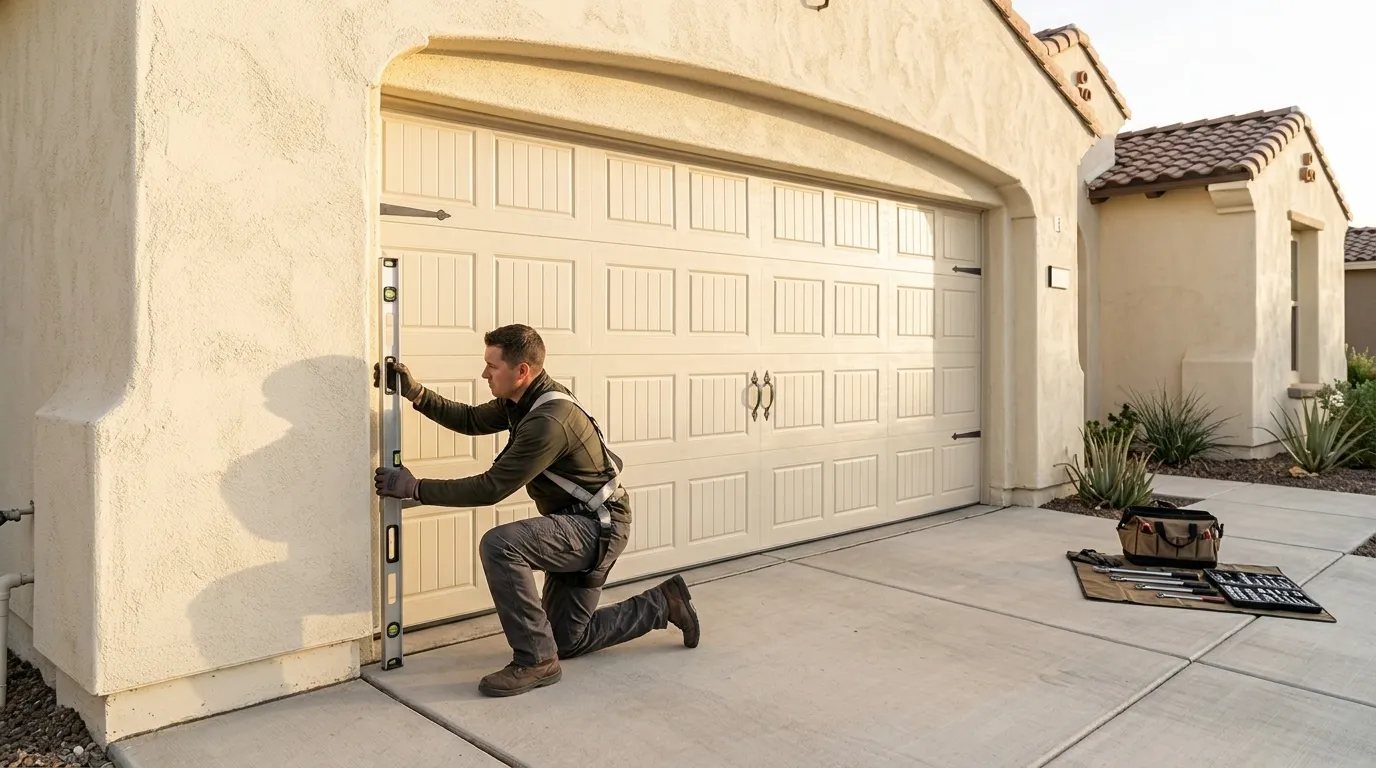
Garage Door Installation
New sectional doors sized and installed for the housing stock actually built in this area.
Learn more →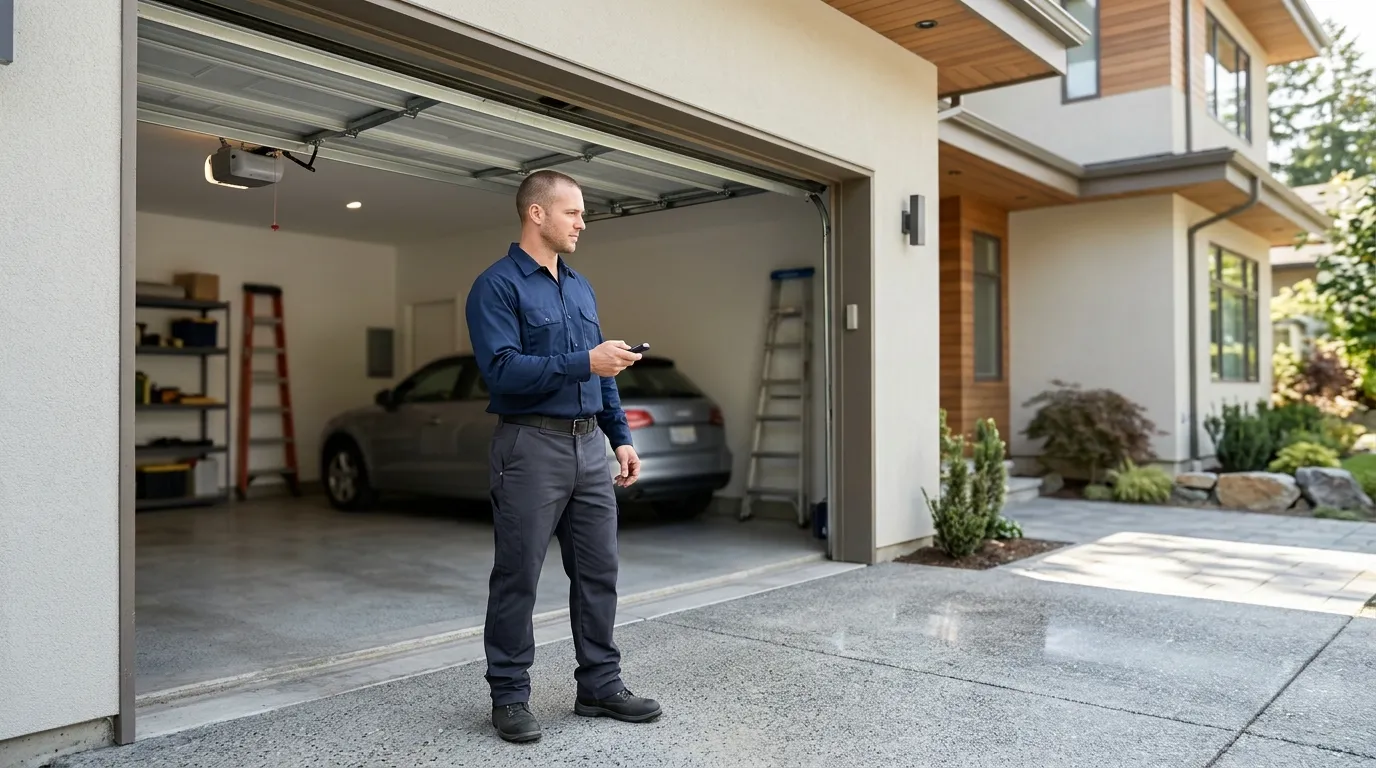
Garage Door Service
Tune-ups, lubrication, and safety checks that catch a small problem before it becomes a service call.
Learn more →Frequently Asked Questions
How do I know if my garage door is too old to keep repairing?
If your house was built in the 1960s or earlier and the door and opener are original, you're working with hardware that's decades past its expected service life. Repeated repairs - a second spring, a second set of cables - on that same original system usually mean the whole assembly is due, not just the part that just failed.
Does Boston's winter weather actually shorten a garage door's life?
Yes. This area sits in a cold, severe climate band, and freeze-thaw cycling puts more stress on torsion springs and opener drive components than a milder climate would. Doors already worn from age tend to fail sooner here than the same door would in a warmer region.
Is it worth repairing a door on a house built in the 1960s?
Often yes, if the failure is isolated - a roller, a single cable, a sensor. It's less worth it when the spring, track, and opener are all original and all showing wear at once. At that point the labor to keep adapting old parts starts to rival the cost of starting fresh.
Do you replace individual panels on older garage doors?
Not when the door model is discontinued and a new panel won't match. We'll tell you honestly when a mismatched panel isn't a real fix, and a full door replacement is the more honest path.
Have a Door That Needs a Second Opinion?
Call and describe what it is doing - we will tell you what it likely is.